
Nebraska DUI Reinstatement Costs for Single Parents: Full Breakdown
Free to compare
What the Nebraska DUI Reinstatement Process Actually Costs in 2025
Nebraska DUI reinstatement involves five separate cost categories: the $125 DMV reinstatement fee, ignition interlock device installation and monthly rental ($70-$150/month for 12-60 months depending on conviction count), chemical dependency evaluation ($150-$300), DUI education program completion ($300-$500), and SR-22 insurance premiums running 2-3x your previous rate for three years. Most single parents focus on the visible one-time fees and miss the compounding monthly charges.
The DMV reinstatement fee covers administrative processing once you've satisfied all court and administrative requirements. Nebraska's Department of Motor Vehicles won't accept your reinstatement application until you provide proof of SR-22 filing, ignition interlock installation verification from a state-approved vendor, and chemical dependency program completion certificates. Each document carries its own cost and timeline.
For a first-offense DUI with a 90-day administrative license revocation, total reinstatement costs typically run $3,500-$6,500 over the first year when you add SR-22 premiums to installation fees and program costs. Second offenses push that total past $8,000 because ignition interlock periods extend to 4-5 years. Budget for monthly payments, not just the upfront DMV check.
How Nebraska's SR-22 Filing Requirement Creates a 36-Month Premium Surcharge
Nebraska requires SR-22 filing for three years following a DUI conviction under Neb. Rev. Stat. § 60-6,211.05. The SR-22 itself is a certificate your carrier files with the DMV proving you carry minimum liability coverage: $25,000 per person/$50,000 per accident bodily injury, $25,000 property damage. The filing fee carriers charge is $15-$35 once. The actual cost is the premium surcharge they apply for carrying you as a high-risk driver.
Carriers classify SR-22 filers as high-risk and price policies accordingly. Where a clean-record Nebraska driver might pay $75-$110/month for minimum liability, SR-22 filers typically pay $140-$280/month with the same coverage limits. That surcharge persists for the entire three-year filing period, adding $2,340-$6,120 to your total reinstatement cost stack. Most aggregators present SR-22 as a $25 filing fee because that's the only line item visible to DMV—the premium markup is buried in your monthly bill.
Single parents budgeting for reinstatement need to factor in that monthly premium increase, not just the one-time fees. If you're paying $200/month for SR-22 liability instead of $90/month for standard coverage, that's $110/month extra for 36 months: $3,960 in carrier markup. The filing fee is noise. The premium differential is the actual cost.

Nebraska Ignition Interlock Device Costs and How They Stack With SR-22
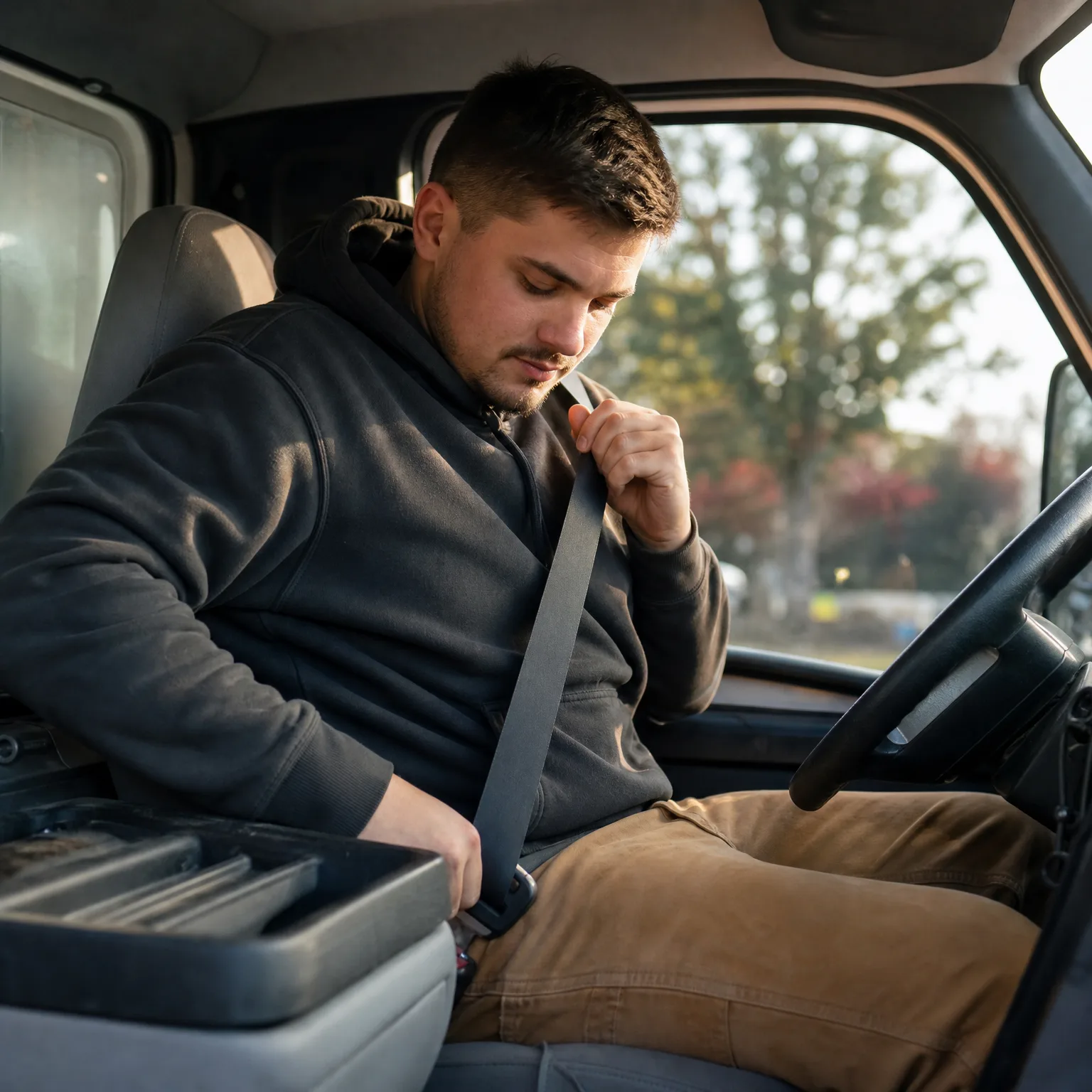
Nebraska requires ignition interlock device installation for DUI reinstatement before you can apply for an Ignition Interlock Permit or full license restoration. First-offense DUI triggers a 60-day hard suspension before you're eligible for an IIP, during which you cannot drive at all. After that 60-day window, you must install an ignition interlock device with a state-certified vendor before the DMV will process your IIP application or full reinstatement.
Installation fees run $70-$150. Monthly device rental and calibration fees run $70-$100. For a first-offense DUI requiring 12 months of interlock use, total device costs typically hit $910-$1,350. Second offenses require 4-5 years of interlock, pushing total device costs past $4,200. These costs run parallel to your SR-22 premiums—you're paying both the inflated insurance rate and the monthly interlock rental simultaneously.
Nebraska offers an indigency waiver program for ignition interlock costs through some vendors, reducing monthly rental fees to $20-$30 for drivers who qualify based on income and household size. Single parents supporting dependents on limited income should request the indigency application form when scheduling installation. Not all vendors participate in the waiver program; confirm eligibility before installation to avoid paying full freight for months before discovering the subsidy.
DMV Reinstatement Fee, Chemical Dependency Evaluation, and DUI Program Costs
The Nebraska DMV charges a $125 reinstatement fee once you've completed all court-ordered requirements and maintained SR-22 filing and ignition interlock compliance. This fee covers administrative processing and does not include the cost of obtaining the required documentation. You pay this fee at the end of the reinstatement process, not the beginning.
Nebraska courts typically order a chemical dependency evaluation as part of DUI sentencing. Evaluations cost $150-$300 depending on the provider and county. The evaluator determines whether you need DUI education, outpatient treatment, or inpatient programming. DUI education programs run $300-$500 for the standard 20-hour course required for first offenses. Treatment programs cost significantly more; outpatient programming runs $1,500-$3,000 for 12-16 week programs.
These costs are due before reinstatement, creating upfront cash flow pressure for single parents. Courts don't coordinate payment plans across vendors—the evaluation provider, DUI program, ignition interlock vendor, and insurance carrier all bill separately. Budget for staggered due dates over 90-120 days to avoid defaulting on any single payment and extending your suspension timeline.

Line Up Coverage Before Your License Comes Back
Get Back on the Road
How Nebraska's Employment Driving Permit Fits the Single-Parent Scenario
Nebraska offers an Employment Driving Permit during suspension periods, allowing restricted driving to maintain employment, attend school, obtain medical treatment, or fulfill court/DMV-approved obligations. The application fee is $50, processed through the DMV. For DUI-related suspensions, most drivers pursue the Ignition Interlock Permit instead of the EDP because IIP allows broader driving privileges once the 60-day hard suspension ends.
The EDP restricts you to specific routes during specific hours tied to your documented need—work shifts, school pickup times, medical appointments. Violations of time or route restrictions trigger immediate permit revocation and extend your full suspension. Single parents using the EDP must submit employer verification, school schedules for children, and any medical appointment documentation with the application. The DMV defines approved hours based on what you document; undocumented trips are violations.
SR-22 filing is often required to obtain an EDP following a DUI suspension, even though the permit itself is restricted. That means you're paying the inflated SR-22 premium during the permit period in addition to the ignition interlock rental if your suspension requires both. The permit doesn't reduce your total reinstatement cost—it allows limited driving during the suspension while you satisfy the other requirements.

Finding SR-22 Coverage That Fits a Single-Parent Budget in Nebraska
SR-22 premiums vary significantly by carrier even when coverage limits are identical. Nebraska minimum liability is $25,000/$50,000/$25,000; some carriers price that coverage at $140/month for SR-22 filers, others at $280/month. Single parents should compare at least three quotes before filing because the difference compounds over 36 months. A $100/month premium gap creates a $3,600 total cost difference over the required filing period.
Non-owner SR-22 policies cost less than standard owner policies when you don't have a vehicle registered in your name. If you're relying on a partner's car, public transit, or rideshare during your suspension and permit period, a non-owner policy satisfies Nebraska's SR-22 requirement at $85-$160/month instead of $140-$280/month for owner coverage. The non-owner policy provides liability coverage when you drive any vehicle with permission; it doesn't cover a specific vehicle you own.
Payment plans matter when cash flow is tight. Some carriers require six months paid upfront for SR-22 policies; others allow monthly billing with no money down beyond the first month's premium. Ask about down payment requirements and monthly installment fees before binding coverage. A carrier offering $160/month with $160 down is more accessible than one charging $140/month with $840 due at binding if you're covering reinstatement costs, interlock installation, and DUI program fees simultaneously.
Timeline Coordination: When to File SR-22 and Install Ignition Interlock
Nebraska requires ignition interlock installation before SR-22 filing will be accepted for reinstatement purposes following a DUI. The DMV won't process your Ignition Interlock Permit application or full reinstatement until your ignition interlock vendor submits installation verification to the state. Most single parents delay reinstatement by 30-60 days because they file SR-22 first, assuming the carrier notification to DMV starts the clock—it doesn't.
Schedule ignition interlock installation immediately after completing your 60-day hard suspension for a first-offense DUI. The vendor submits electronic verification to Nebraska DMV within 24-48 hours of installation. Once that verification posts, contact your insurance carrier to request SR-22 filing. The carrier files electronically with DMV, typically processing within 1-3 business days. Only after both the interlock installation verification and SR-22 filing show active in the DMV system can you submit your reinstatement application or IIP application.
If you file SR-22 before interlock installation, the DMV receives the insurance certificate but flags your file as incomplete because the mandatory interlock verification is missing. That SR-22 filing sits idle until you install the device, creating the appearance of progress when no actual movement toward reinstatement is occurring. Coordinate the sequence to avoid paying for SR-22 premiums during months when you're not yet eligible to drive.
Frequently Asked Questions
Can I get an Employment Driving Permit in Nebraska immediately after a DUI arrest?
No. Nebraska imposes a 60-day hard suspension for first-offense DUI during which no driving privileges are available. After that 60-day period, you can apply for an Ignition Interlock Permit, which requires device installation and SR-22 filing. The Employment Driving Permit is a separate option for non-DUI suspensions or specific hardship cases approved by DMV.
Does Nebraska's indigency waiver for ignition interlock devices apply to single parents automatically?
No. You must apply for the indigency waiver through a participating ignition interlock vendor and provide income documentation showing financial hardship. Single-parent status alone doesn't trigger automatic approval; the waiver is income-based. Not all vendors participate in the program, so confirm eligibility and participation before scheduling installation.
How much does SR-22 insurance cost per month in Nebraska after a DUI?
SR-22 liability premiums for Nebraska minimum coverage typically run $140-$280/month for DUI filers, compared to $75-$110/month for clean-record drivers. The exact rate depends on your age, county, conviction count, and carrier. Non-owner SR-22 policies cost less, typically $85-$160/month, if you don't own a vehicle.
Can I reinstate my Nebraska license without installing an ignition interlock device?
No, not for a DUI suspension. Nebraska law requires ignition interlock installation for all DUI-related license revocations before reinstatement or Ignition Interlock Permit issuance. The device must remain installed for 12 months minimum for first offenses, longer for repeat offenses. Installation verification must reach the DMV before they'll process your reinstatement application.
What happens if I can't afford the $125 Nebraska reinstatement fee and SR-22 premiums at the same time?
The $125 reinstatement fee is due at the end of the process, after you've completed all other requirements. SR-22 premiums are billed monthly by your carrier. Prioritize maintaining active SR-22 coverage and ignition interlock compliance first; the reinstatement fee can be paid once those ongoing obligations are stable. DMV won't process reinstatement without active SR-22 on file regardless of whether you've paid the fee.
Does Nebraska require SR-22 filing for the entire ignition interlock period?
Yes. Nebraska requires continuous SR-22 filing for three years from the DUI conviction date, which typically overlaps with your ignition interlock requirement. For first offenses requiring 12 months of interlock, you'll maintain SR-22 for 24 additional months after device removal. The SR-22 period is fixed by statute; the interlock period varies by offense count and BAC level.
Can I use a non-owner SR-22 policy while my ignition interlock device is installed in someone else's car?
No. If an ignition interlock device is installed in a specific vehicle, you need an owner SR-22 policy covering that vehicle, even if the title is in someone else's name and you're listed as an additional driver. Non-owner policies are for drivers who don't have regular access to a specific vehicle. Interlock installation ties you to that vehicle for compliance purposes.
Related Articles

Nebraska Reinstatement Costs for Single Parents
5/3/2026

Nebraska DUI Reinstatement Costs for College Students
5/3/2026

Nebraska CDL DUI Reinstatement Costs: Fee Breakdown
5/3/2026

Nebraska DUI Reinstatement: Court & DMV Timing Guide
5/3/2026

Nevada DUI Reinstatement Costs for Single Parents
5/3/2026

Nebraska CDL Reinstatement Costs: SR-22 + DMV Fees
5/3/2026