
Nebraska Rideshare DUI Reinstatement: SR-22 Filing and IIP Timing
Free to compare
Why Nebraska's IIP Hard Suspension Period Matters for Rideshare Drivers
Nebraska imposes a 60-day mandatory hard suspension before issuing an Ignition Interlock Permit for first-offense DUI cases. You cannot drive at all during this period, even with an interlock device installed. Most rideshare drivers file SR-22 immediately after conviction, thinking they're getting ahead of reinstatement requirements. That's a costly mistake.
SR-22 filing triggers a 3-year continuous coverage requirement in Nebraska. If you file during the 60-day hard suspension when you cannot legally drive, you burn two months of high-risk premiums—typically $140–$190/month—for coverage you cannot use. Uber and Lyft both require active driving privileges before onboarding, so early SR-22 filing does not accelerate your approval timeline.
The correct sequence: complete the 60-day hard suspension first, then file SR-22 and apply for the Ignition Interlock Permit simultaneously. Your 3-year SR-22 clock starts when you can actually drive again, not two months before. This coordination saves $280–$380 in wasted premium payments and aligns your reinstatement timeline with rideshare background check windows.
What the Ignition Interlock Permit Allows During Reinstatement
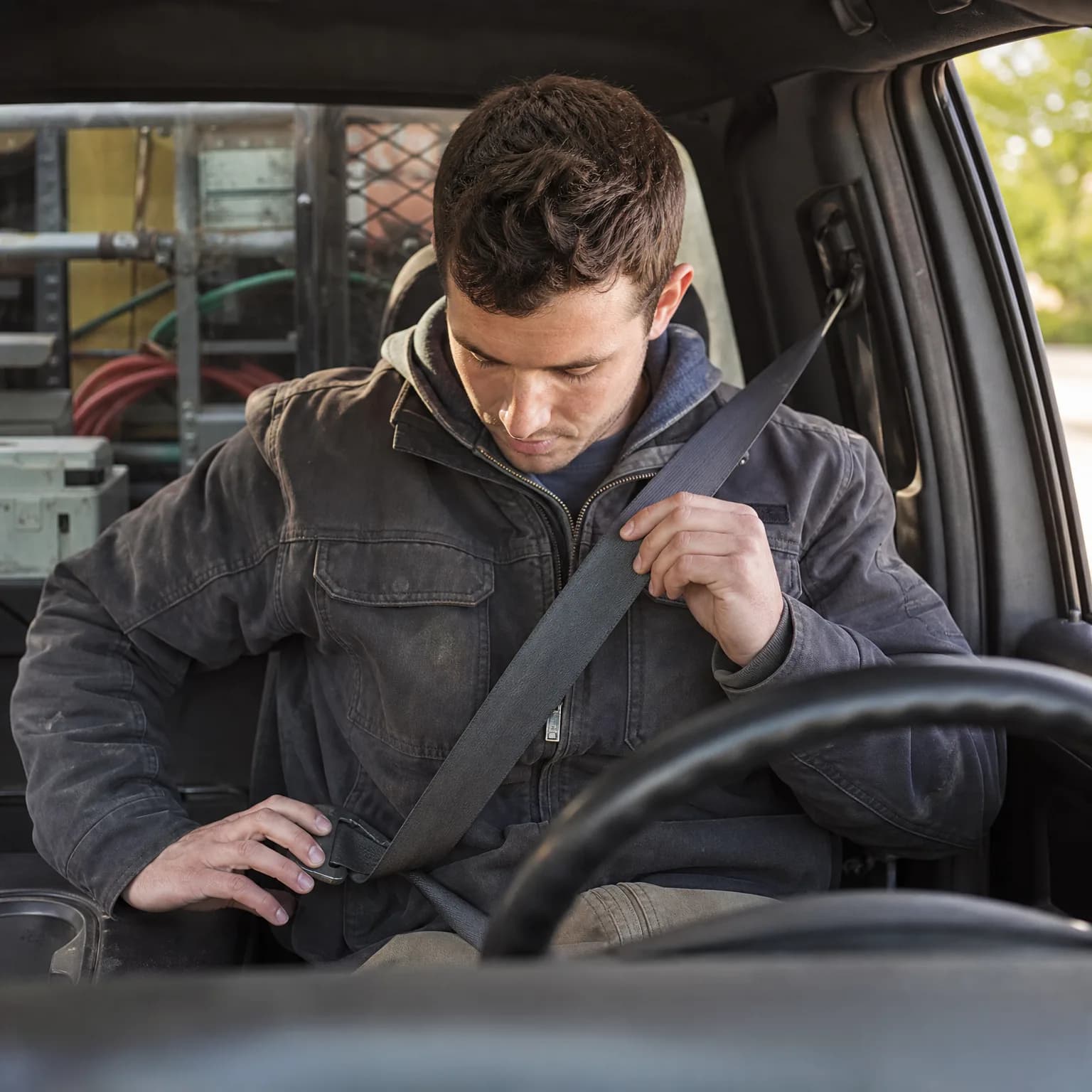
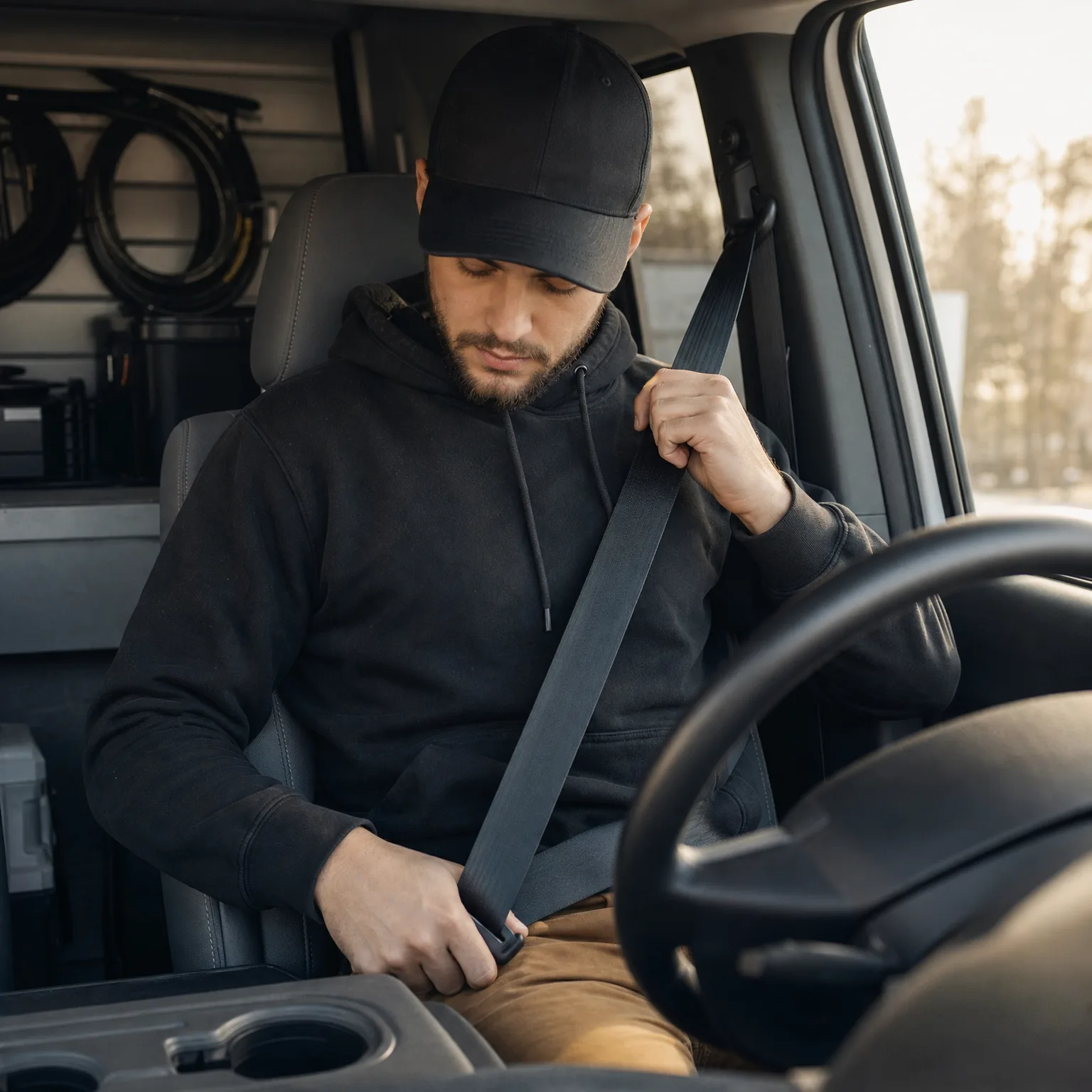
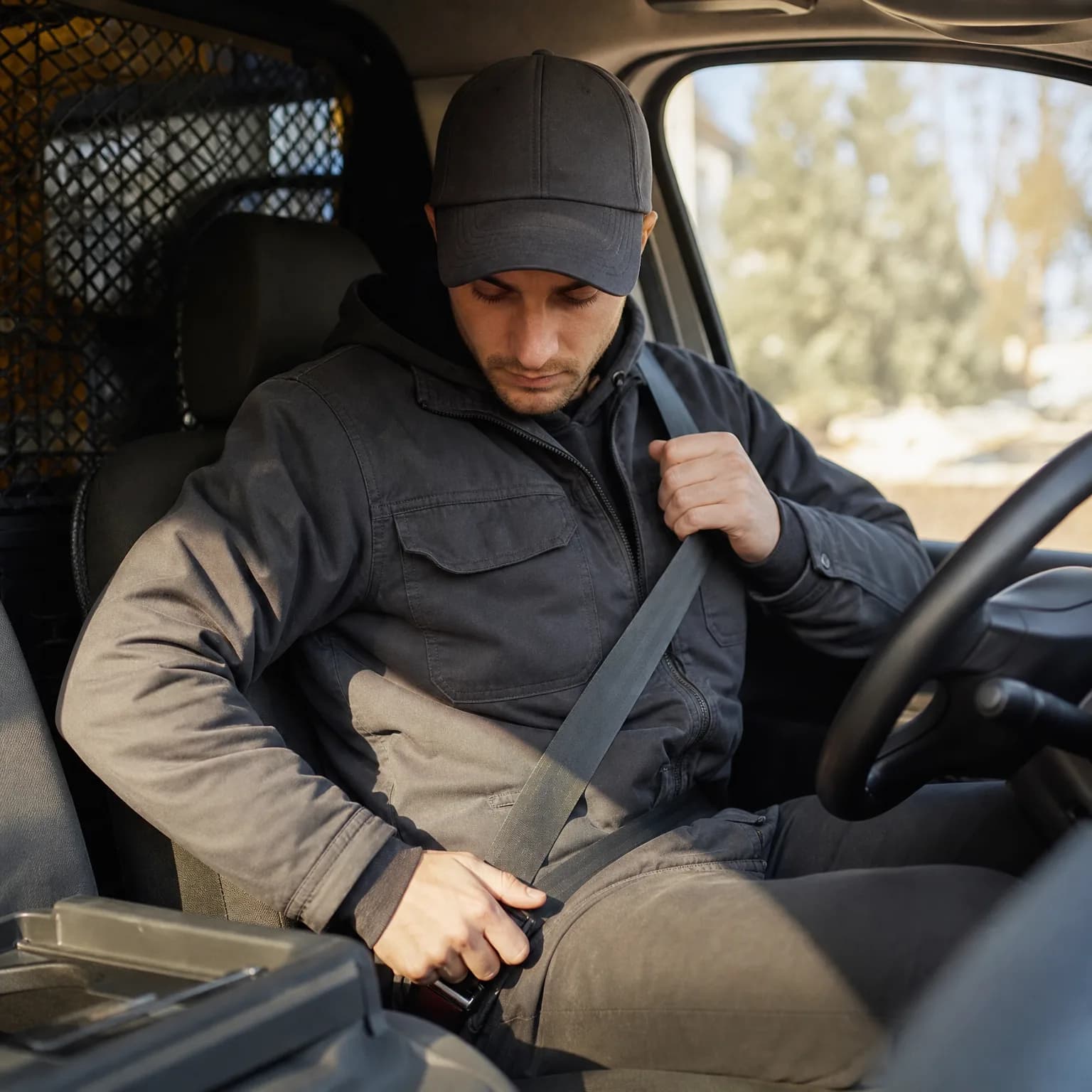
Nebraska's Ignition Interlock Permit, governed by Neb. Rev. Stat. § 60-6,211.05, allows driving for any purpose as long as the approved interlock device is installed and functioning. Unlike the Employment Driving Permit, which restricts routes and hours, the IIP does not limit where or when you drive. This makes it the only viable option for rideshare work during a DUI suspension.
You must use a Nebraska-certified interlock vendor. The device logs every ignition event, failed breath test, and attempt to tamper with or bypass the system. These logs upload to the DMV electronically. A single failed startup test does not automatically revoke your IIP, but a pattern of violations—missed rolling retests, device disconnection, or tampering—triggers immediate suspension and extends your total filing period.
Rideshare platforms require documentation proving your driving privilege is unrestricted for commercial use. The IIP itself does not prohibit rideshare driving, but Uber and Lyft background checks flag active DUI suspensions. You must provide both the IIP certificate and proof that your interlock device allows trip-based driving, not just fixed-route commuting. Most Nebraska drivers submit IIP paperwork, interlock vendor compliance letters, and SR-22 certificates together during the rideshare onboarding appeal process.
SR-22 Filing Timing and the 3-Year Clock
Nebraska requires SR-22 filing for 3 years following DUI conviction. The clock begins the day your insurer electronically files SR-22 with the Nebraska DMV, not the day of conviction or the day you purchase the policy. Filing too early means you pay high-risk rates longer than legally required.
If you file SR-22 on day 1 of your 60-day hard suspension, your 3-year requirement ends 3 years from that date—but you could not drive for the first 60 days. If you wait until day 61 and file SR-22 when applying for the IIP, your 3-year clock starts when your driving privilege resumes. The total calendar time is identical, but the second approach saves two months of SR-22 premiums during the hard suspension when you have no vehicle access anyway.
SR-22 lapses reset the entire 3-year clock in Nebraska. If your policy cancels for non-payment or you switch carriers without maintaining continuous coverage, the DMV receives an SR-26 cancellation notice and suspends your license again. You must refile SR-22, pay the $125 reinstatement fee again, and restart the 3-year period from zero. For rideshare drivers, a lapse also triggers immediate deactivation from Uber and Lyft platforms, and reactivation requires passing another background check cycle after reinstatement.
Rideshare Platform Requirements vs. Nebraska DMV Requirements
Uber and Lyft run separate background checks and driving record reviews independent of DMV reinstatement. Clearing your suspension with the state does not automatically reactivate your rideshare account. Both platforms require submission of updated Motor Vehicle Records showing active, unrestricted driving privileges and proof of current insurance meeting their minimum liability thresholds.
Nebraska's minimum liability limits are 25/50/25. Rideshare platforms require higher limits during personal-use periods when the app is off—typically 50/100/50 or 100/300/100. Your SR-22 policy must meet both the state's filing requirement and the platform's commercial-use liability floor. Most carriers offering SR-22 in Nebraska quote liability-only policies at state minimums, which fail rideshare underwriting standards. You need a policy that explicitly covers Transportation Network Company personal-use periods, not just an SR-22 endorsement on a standard auto policy.
Document everything. Rideshare platforms ask for IIP certificates, interlock vendor compliance letters, SR-22 proof of filing, and updated MVR reports. Missing any single document stalls reactivation for weeks. The platform's third-party background check vendor does not communicate directly with the Nebraska DMV, so you must manually upload every reinstatement document through the driver portal and follow up if the system flags your account for manual review.

Line Up Coverage Before Your License Comes Back
Get Back on the Road
Interlock Device Costs and Rideshare Income Impact
Nebraska-certified interlock vendors charge $75–$125 for installation, $65–$85 per month for device rental and monitoring, and $50–$75 for removal. Over a typical IIP period—6 months to 1 year for first-offense DUI—total interlock costs range from $575 to $1,200. These are out-of-pocket expenses separate from your SR-22 insurance premiums.
Rideshare drivers must calibrate the device every 30 days at the vendor's service center. Missing a calibration appointment triggers a lockout within 5–7 days, meaning your vehicle will not start until you complete the overdue service. Lockouts deactivate your ability to accept ride requests, and frequent violations flag your account for permanent removal from the platform.
Interlock devices require rolling retests during trips. The device prompts you to blow into the handset while driving, typically every 5–15 minutes depending on vendor settings. Failed rolling retests do not shut off the engine, but they log a violation. Three failed rolling retests in a 30-day period can extend your IIP requirement and trigger a DMV compliance review. For rideshare work, plan routes and passenger pickups around calibration schedules and avoid accepting long-distance trips during the first month of IIP use until you understand your device's retest interval pattern.

Common Filing Gaps That Delay Rideshare Reinstatement
Most Nebraska rideshare drivers delay reinstatement by 45–90 days because they treat DUI clearance as a single linear process. It is not. Three separate timelines run in parallel: court compliance, DMV reinstatement, and rideshare platform reactivation. None automatically notify the others when complete.
Court compliance includes DUI education classes, victim impact panels, fines, and probation terms. Completing court requirements does not clear your DMV suspension. The court clerk files a compliance notice with the DMV, but this process takes 10–15 business days in most Nebraska counties. If you apply for an IIP before the court notice posts to your DMV record, your application is denied and you must reapply after the clearance appears, adding another 15–20 days.
SR-22 filing is separate from IIP issuance. The DMV will not process your IIP application until SR-22 proof appears in their system. Insurers file SR-22 electronically, but the DMV's database updates overnight, not in real time. If you purchase SR-22 coverage and submit your IIP application the same day, the application is rejected because the filing has not posted yet. Wait 2–3 business days after purchasing SR-22 before submitting IIP paperwork to avoid this coordination gap.
What Happens If You Drive for Rideshare Without Full Reinstatement
Driving on a suspended license in Nebraska is a Class III misdemeanor for first offense, carrying up to 3 months in jail, a $500 fine, and extension of your suspension period by an additional 6 months to 1 year. If you accept rideshare trips before your IIP is approved or after an SR-22 lapse triggers re-suspension, you are driving illegally even if the rideshare app allows you to log on.
Rideshare platform systems do not sync in real time with state DMV databases. Your account may remain active for days or weeks after a suspension or SR-22 lapse before the background check vendor flags the violation. Drivers mistakenly believe platform access means legal clearance. It does not. You are personally liable for any accident, injury, or property damage that occurs while driving on a suspended license, and neither your personal auto policy nor the rideshare platform's contingent liability coverage will pay claims under these circumstances.
If pulled over during a rideshare trip without valid IIP and SR-22 on file, the officer impounds your vehicle, the rideshare company deactivates your account immediately, and you face criminal charges that extend your total suspension timeline far beyond the original DUI penalty. The $125 reinstatement fee becomes a $500+ impound release fee, court costs, and extended high-risk insurance premiums for an additional year. No rideshare income justifies this risk.
Frequently Asked Questions
Can I drive for Uber in Nebraska with an Ignition Interlock Permit?
Yes, Nebraska's Ignition Interlock Permit allows driving for any purpose, including rideshare work, as long as the approved device is installed and functioning. Uber and Lyft require documentation proving your IIP is active and that your interlock vendor allows commercial trip-based driving, not just fixed commuting routes.
When should I file SR-22 after a Nebraska DUI conviction?
File SR-22 after completing Nebraska's 60-day hard suspension for first-offense DUI, not before. Filing during the hard suspension wastes two months of high-risk premiums on coverage you cannot use, because the 3-year SR-22 clock starts the day your insurer files with the DMV, not when you can legally drive again.
What happens if my SR-22 lapses while driving for rideshare in Nebraska?
SR-22 lapse triggers immediate license re-suspension in Nebraska and automatic deactivation from Uber and Lyft. You must refile SR-22, pay the $125 reinstatement fee again, and restart the 3-year filing requirement from day zero. Reactivation on rideshare platforms requires passing another background check after reinstatement clears.
How much does an ignition interlock device cost in Nebraska?
Nebraska-certified interlock vendors charge $75–$125 for installation, $65–$85 per month for rental and monitoring, and $50–$75 for removal. Total costs over a 6–12 month IIP period range from $575 to $1,200, separate from SR-22 insurance premiums.
Does completing DUI court requirements automatically reinstate my Nebraska license?
No. Court compliance does not clear your DMV suspension. The court clerk files a compliance notice with the DMV, but this process takes 10–15 business days in most Nebraska counties. You must separately apply for an Ignition Interlock Permit, file SR-22, and pay the $125 DMV reinstatement fee after court clearance posts to your record.
Can I use a non-owner SR-22 policy for rideshare driving in Nebraska?
Non-owner SR-22 satisfies Nebraska's filing requirement but does not provide liability coverage while driving a vehicle, which rideshare platforms require. You need a standard SR-22 auto policy on the vehicle you drive for Uber or Lyft, meeting both state minimums and the platform's higher commercial-use liability thresholds.
What is the difference between Nebraska's Employment Driving Permit and Ignition Interlock Permit?
The Employment Driving Permit restricts driving to approved routes and hours for work, school, or medical appointments. The Ignition Interlock Permit allows driving anytime, anywhere, as long as the interlock device is installed and functioning. Only the IIP supports rideshare work, because trip destinations and hours vary and cannot be pre-approved.
Related Articles

Nebraska DUI Reinstatement Costs for Rideshare Drivers
5/3/2026
Nebraska CDL DUI: SR-22 Timing & Reinstatement Steps
5/3/2026

Nebraska DUI SR-22 for Students: IIP Filing Timeline
5/3/2026
NE Rideshare Lapse Reinstatement: Court & DMV Timing
5/3/2026
Nebraska SR-22 After Lapse for Rideshare Drivers
5/3/2026
Nevada DUI SR-22 for Rideshare: IID Filing Sequence
5/3/2026