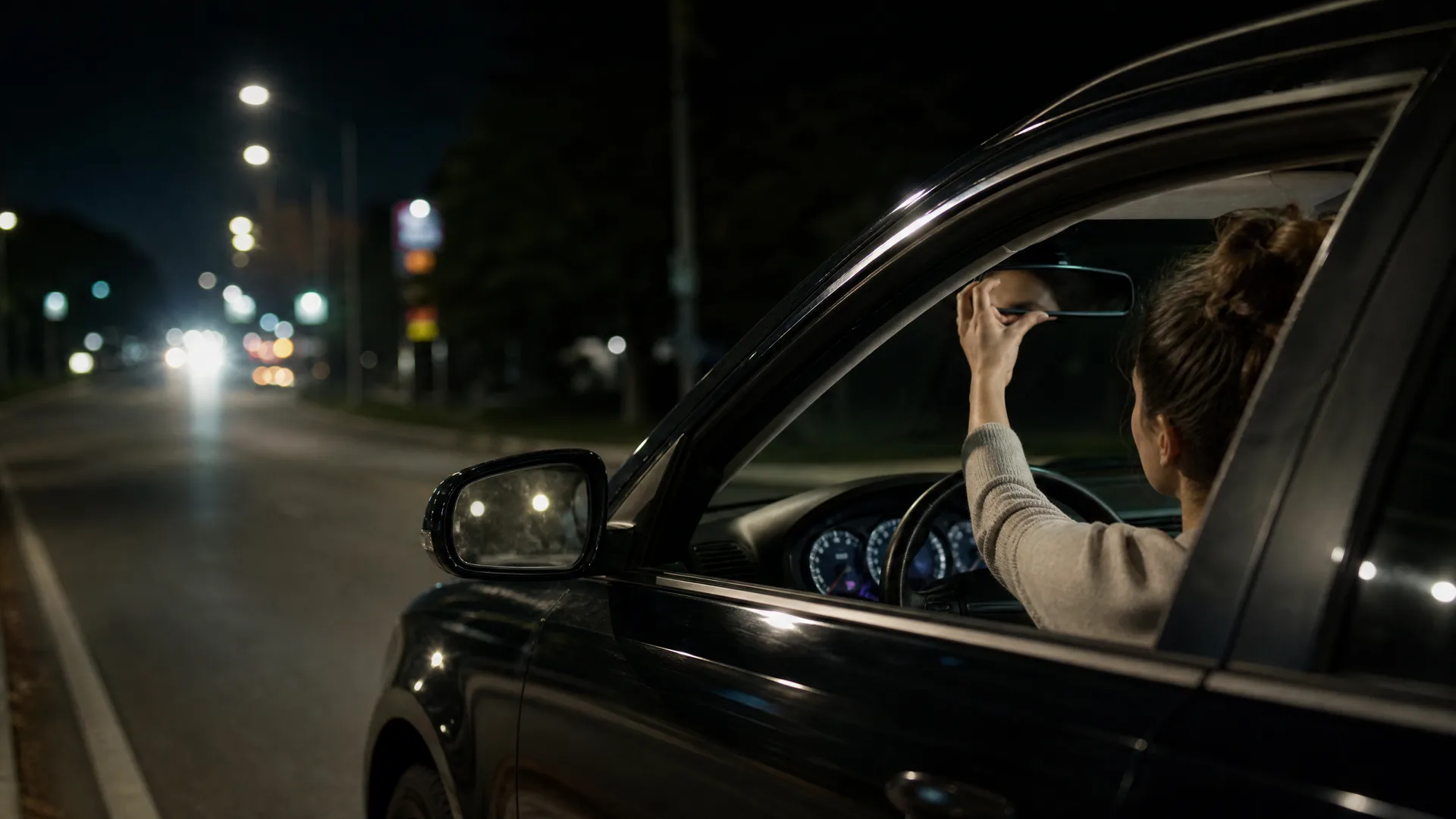
Michigan CDL Reinstatement After DUI: SR-22 Timing and BAIID Gaps
Free to compare
Why Michigan CDL Reinstatement After DUI Requires Three Separate Processes
Michigan separates your personal driver's license revocation from your commercial driver's license disqualification, and reinstatement requires satisfying two distinct legal processes simultaneously. Your OWI conviction triggers an automatic personal license revocation under MCL 257.625, handled through the Driver Assessment and Appeal Division (DAAD). Your CDL disqualification runs parallel under federal FMCSA regulations and Michigan Commercial Driver License Law (MCL 257.312a), administered by the Secretary of State's Commercial Driver License Unit.
Most CDL holders assume clearing their DAAD hearing reinstates both licenses. It doesn't. DAAD clearance only addresses your personal driving privileges — you must file a separate commercial license reinstatement application with the SOS Commercial Driver License Unit after DAAD approval, which triggers a second review process that examines your commercial driving record, medical certification status, and federal disqualification periods. First OWI disqualifies your CDL for one year minimum under federal rules; second OWI results in lifetime commercial disqualification with no restricted license option.
The third process is financial responsibility filing. Michigan requires SR-22 filing for three years from your reinstatement date for OWI revocations, and that filing must remain active throughout your CDL reinstatement application and approval period. Filing SR-22 before your BAIID installation verification posts to SOS creates a coordination gap that delays both processes. SOS won't process your SR-22 compliance until BAIID installation shows in their system, and DAAD won't schedule your hearing until BAIID is active. The practical result: drivers who file SR-22 immediately after conviction waste weeks waiting for BAIID verification to catch up.

BAIID Installation Must Precede SR-22 Filing to Avoid Processing Delays
Michigan uses the Breath Alcohol Ignition Interlock Device (BAIID) as the state-specific term for ignition interlock, and installation timing determines your entire reinstatement timeline. DAAD will not schedule your restricted license appeal hearing until your BAIID provider submits installation verification electronically to the Secretary of State, which typically takes 3–5 business days after physical installation. First OWI requires BAIID for the duration of your restricted license period (typically 150 days after a 30-day hard suspension).
If you file SR-22 before BAIID installation verification posts, SOS flags your SR-22 filing as incomplete and holds it in pending status. SOS requires the BAIID compliance flag to appear in your driver record before accepting SR-22 as valid proof of financial responsibility for OWI reinstatement cases. This creates a processing loop: your carrier reports SR-22 filing to SOS, SOS sees no BAIID flag, SOS holds the SR-22 in pending status, you wait 45–60 days assuming everything is filed correctly, then discover at your DAAD hearing that SOS shows no active SR-22 compliance.
The correct sequence: schedule BAIID installation with a Michigan-approved provider first. Wait for installation verification to post to SOS (request written confirmation from your BAIID provider showing the electronic submission date). Then file SR-22 with your carrier. This sequence ensures SOS processes your SR-22 filing immediately because the BAIID compliance flag already exists in their system. Carriers report SR-22 filings electronically to SOS within 24–48 hours, but SOS won't mark you as compliant until both flags — BAIID installation and SR-22 filing — appear simultaneously in your record.


DAAD Hearing Requirements and Commercial License Interaction
Driver revocations in Michigan require a formal DAAD hearing to regain any driving privileges, including restricted licenses. DAAD evaluates your substance abuse risk, treatment compliance, and sobriety documentation before approving restricted or full license reinstatement. First-time OWI revocations require completion of a substance abuse evaluation and typically demonstrate compliance with any court-ordered treatment before DAAD will schedule your hearing. The hearing itself examines whether you present an acceptable risk to public safety.
Commercial drivers face an additional hurdle: DAAD approval only reinstates your personal Class D license, not your CDL. You must apply separately to the Commercial Driver License Unit after DAAD clearance, and that unit reviews your federal disqualification period independently. Federal rules impose a one-year CDL disqualification for first OWI, running from your conviction date regardless of when DAAD clears you for personal license reinstatement. If your DAAD hearing occurs eight months after conviction, you still have four months remaining on your federal CDL disqualification even though you can drive personally.
SR-22 filing must remain active throughout both processes. DAAD requires proof of SR-22 filing at your hearing as evidence of financial responsibility, and the Commercial Driver License Unit verifies SR-22 compliance again during CDL reinstatement review. If your SR-22 lapses between DAAD approval and CDL reinstatement application, SOS treats the lapse as a new suspension event, which restarts your three-year SR-22 filing period and delays commercial reinstatement by another 45–60 days while you file a new SR-22 and wait for carrier reporting to clear.
Michigan No-Fault Insurance Requirement for CDL Holders Post-Reinstatement
Michigan's no-fault insurance framework complicates SR-22 filing for CDL holders who don't own a personal vehicle. SR-22 is proof of financial responsibility, but Michigan defines that as proof of a no-fault policy meeting minimum coverage requirements under MCL 500.3101. Post-2020 reform introduced tiered Personal Injury Protection (PIP) options, and SR-22 filers must show compliance with the specific PIP tier selected or documented opt-out eligibility with qualifying health coverage.
CDL holders who drive employer-owned commercial vehicles but don't own a personal car need a non-owner SR-22 policy. This policy provides liability coverage and satisfies Michigan's financial responsibility requirement without insuring a specific vehicle. Non-owner policies in Michigan must include the PIP tier you selected (or opt-out documentation if you qualify), which makes them more expensive than non-owner policies in tort states. Expect monthly premiums of $140–$190 for non-owner SR-22 coverage in Michigan with minimum liability limits and the lowest PIP tier.
Drivers who opted out of PIP incorrectly and then filed SR-22 face reinstatement holds. Michigan allows PIP opt-out only if you have qualifying health coverage that meets specific statutory criteria, and SOS verifies opt-out eligibility during reinstatement review. If your opt-out documentation doesn't satisfy the requirements, SOS requires you to select a PIP tier and refile SR-22 with a compliant policy before processing reinstatement. This adds 30–45 days to your timeline while your carrier issues a new policy, files updated SR-22, and SOS clears the compliance flag.

Line Up Coverage Before Your License Comes Back
Get Back on the Road
Commercial License Reinstatement Application After DAAD Clearance
DAAD approval gives you a personal restricted license with BAIID requirements. It does not automatically reinstate your CDL. You must file a separate Commercial Driver License Reinstatement Application with the SOS Commercial Driver License Unit, which reviews your federal disqualification period, medical certification status, and driving record independently. Federal CDL disqualification periods run from conviction date, not reinstatement date, which means you may satisfy the federal waiting period before or after DAAD clears you personally.
The Commercial Driver License Unit requires proof of current medical certification (DOT physical exam results filed with FMCSA and visible in your CDLIS record), verification that your federal disqualification period has elapsed, and confirmation that SR-22 filing is active and compliant in Michigan. If your medical certification expired during your revocation period, you must complete a new DOT physical and submit updated certification before SOS will process your CDL reinstatement application. Most Michigan CDL holders miss this step because medical certifications expire during the 12-month federal disqualification period.
Reinstatement fees for CDL holders include the standard $125 personal license reinstatement fee paid at DAAD clearance, plus commercial driver license reissuance fees when your CDL is reinstated. SR-22 filing fees range from $15–$35 depending on your carrier, paid at initial filing and annually if your carrier charges recurring filing fees. Total upfront reinstatement costs typically run $200–$275 before insurance premiums. Processing time for CDL reinstatement after DAAD clearance ranges from 30–60 days if all documentation is complete and federal disqualification periods are satisfied.

Consequences of SR-22 Lapse or BAIID Violation During CDL Reinstatement
SR-22 lapses trigger automatic license suspension in Michigan, and SOS sends suspension notices to both your personal license and your CDL. If your SR-22 lapses after DAAD clearance but before commercial reinstatement, SOS suspends your personal restricted license and places a hold on your pending CDL application. Reinstating after an SR-22 lapse requires filing new SR-22, paying a $125 reinstatement fee again, and restarting your three-year SR-22 filing period from the new filing date.
BAIID violations — failed breath tests, missed rolling retests, or tampering attempts — are reported electronically to SOS and can result in restricted license revocation. Michigan BAIID programs allow minimal violation thresholds before triggering revocation, and violations reported during your restricted license period extend your BAIID requirement or result in full revocation requiring a new DAAD hearing. Most CDL holders don't realize BAIID violations also flag your federal CDL record through CDLIS, which appears on employer background checks and pre-employment screening.
Sobriety Court participants face different violation consequences. Sobriety Court restricted licenses may have less restrictive driving conditions than standard OWI restricted licenses, but participants must comply with intensive court supervision requirements. Violations of Sobriety Court conditions can result in immediate restricted license revocation and removal from the program, which sends you back to standard DAAD hearing requirements without the Sobriety Court track benefits.
What to Do About Insurance Right Now
Contact a Michigan carrier experienced with SR-22 filing for OWI reinstatement cases and ask specifically about non-owner policies if you don't own a personal vehicle. Explain that you need SR-22 filing timed after BAIID installation verification, not immediately. Carriers familiar with Michigan DAAD requirements understand the sequencing issue and will delay SR-22 filing until you confirm BAIID installation posted to SOS.
Request written confirmation of your SR-22 filing date and SOS reporting date from your carrier. Keep this documentation for your DAAD hearing and CDL reinstatement application. Verify your PIP tier selection or opt-out eligibility before purchasing the policy — incorrect PIP documentation delays reinstatement even if SR-22 itself is filed correctly. If you're using a non-owner policy, confirm the policy includes the PIP tier you selected and that the carrier lists Michigan Secretary of State as the SR-22 certificate recipient.
Maintain SR-22 filing continuously for the full three-year period from your reinstatement date. Set a calendar reminder 30 days before each policy renewal to verify your carrier will renew without lapse. If you change carriers during the three-year period, ensure the new carrier files SR-22 before the old policy cancels — even a one-day gap triggers suspension and restarts your three-year clock.
Frequently Asked Questions
Can I drive a commercial vehicle with a Michigan restricted license after DUI?
No. Michigan restricted licenses after OWI revocation allow driving only for approved purposes like work, school, medical treatment, and court-ordered programs in a personal vehicle equipped with BAIID. Federal law prohibits operating a commercial motor vehicle during any state-imposed OWI disqualification period, and Michigan restricted licenses do not satisfy federal CDL reinstatement requirements.
How long does Michigan require SR-22 filing after CDL reinstatement for DUI?
Michigan requires SR-22 filing for three years from your personal license reinstatement date, not from your CDL reinstatement date. The three-year period begins when DAAD approves your restricted license or full reinstatement. If your CDL is reinstated six months after your personal license, you still owe the full three years from the earlier personal reinstatement date.
What happens if my SR-22 lapses while waiting for CDL reinstatement approval?
SOS suspends your personal license immediately and places a hold on your pending CDL application. Reinstating requires filing new SR-22, paying another $125 reinstatement fee, and restarting your three-year SR-22 filing period from the new filing date. The CDL reinstatement application is rejected and you must reapply after clearing the suspension.
Does Michigan DAAD approval automatically clear my federal CDL disqualification?
No. DAAD only reinstates your personal Michigan driver's license. Federal CDL disqualification periods run independently from conviction date under FMCSA regulations — one year for first OWI, lifetime for second. You must wait for the federal period to expire and then apply separately to the SOS Commercial Driver License Unit for CDL reinstatement even after DAAD clears you personally.
Can I get SR-22 insurance if I don't own a car but need my CDL reinstated?
Yes. Non-owner SR-22 policies provide liability coverage and satisfy Michigan's financial responsibility requirement without insuring a specific vehicle. You must select a PIP tier (or provide valid opt-out documentation with qualifying health coverage) because Michigan requires no-fault coverage even on non-owner policies. Expect monthly premiums of $140–$190 for non-owner SR-22 in Michigan.
How long does Michigan CDL reinstatement take after DAAD hearing approval?
Commercial license reinstatement processing takes 30–60 days after DAAD approval if your federal disqualification period is complete, medical certification is current, and SR-22 filing is active. Delays occur when medical certifications expired during revocation, BAIID violations appear on your record, or SR-22 filing shows gaps or pending status in the SOS system.
What documentation does Michigan require for CDL reinstatement after OWI?
SOS Commercial Driver License Unit requires DAAD hearing clearance letter, proof of current DOT medical certification filed with FMCSA, verification that federal disqualification period elapsed, active SR-22 filing confirmation, BAIID installation compliance if still required, and payment of reinstatement and CDL reissuance fees. Missing any document delays processing by 30–45 days.
Related Articles
Michigan CDL DUI Reinstatement: Court & SOS Timing
5/3/2026

MI CDL DUI Costs: Reinstatement + SR-22 Fee Stack
5/3/2026

Michigan OWI Reinstatement for Students: SR-22 Timing
5/3/2026
MI DUI Reinstatement for Students: Court & SOS Timing
5/3/2026

MN CDL DUI Reinstatement: SR-22 Timing & Documentation
5/3/2026

Detroit DUI License Reinstatement: SR-22 & Interlock Steps
4/29/2026