Delaware DUI Reinstatement for Rideshare: Court & DMV Timing
Free to compare
Why Your Court Clearance Doesn't Show at DMV Yet
Delaware courts do not electronically transmit DUI case completion to the Division of Motor Vehicles. You finish probation, pay all fines, complete the DUI education program, and receive court documentation — but DMV's suspension record remains active until you manually submit proof of compliance. Most Wilmington and Newark rideshare driver applicants assume court and DMV communicate automatically, discover the disconnect only when their background check flags an active suspension, and lose weeks of potential earnings.
The court issues a Certificate of Compliance or signed dismissal order once you satisfy all conditions. This document is your responsibility to deliver to DMV. Mailing it adds 10-15 business days before DMV staff processes the paperwork and updates your driver record. Walk-in submission at a DMV location in Dover, Wilmington, or Georgetown typically shortens processing to 5-7 business days, but appointment availability varies.
Rideshare platforms run continuous background monitoring. Uber and Lyft both use third-party services that pull MVR data periodically. If your MVR shows an active suspension when they check — even if you submitted court clearance yesterday — your application is rejected or your driving privileges are suspended. The gap between court completion and DMV record update is where most Delaware DUI reinstatement delays occur for rideshare drivers.
SR-22 Filing Timing and the DMV Verification Window
Delaware requires SR-22 filing for three years following a DUI conviction. The filing must be active before DMV will process your reinstatement — but filing SR-22 before your court clearance posts to DMV creates a verification mismatch. DMV staff cannot confirm compliance until court records appear in their system. If your SR-22 arrives first, DMV places it in pending status and waits for court confirmation.
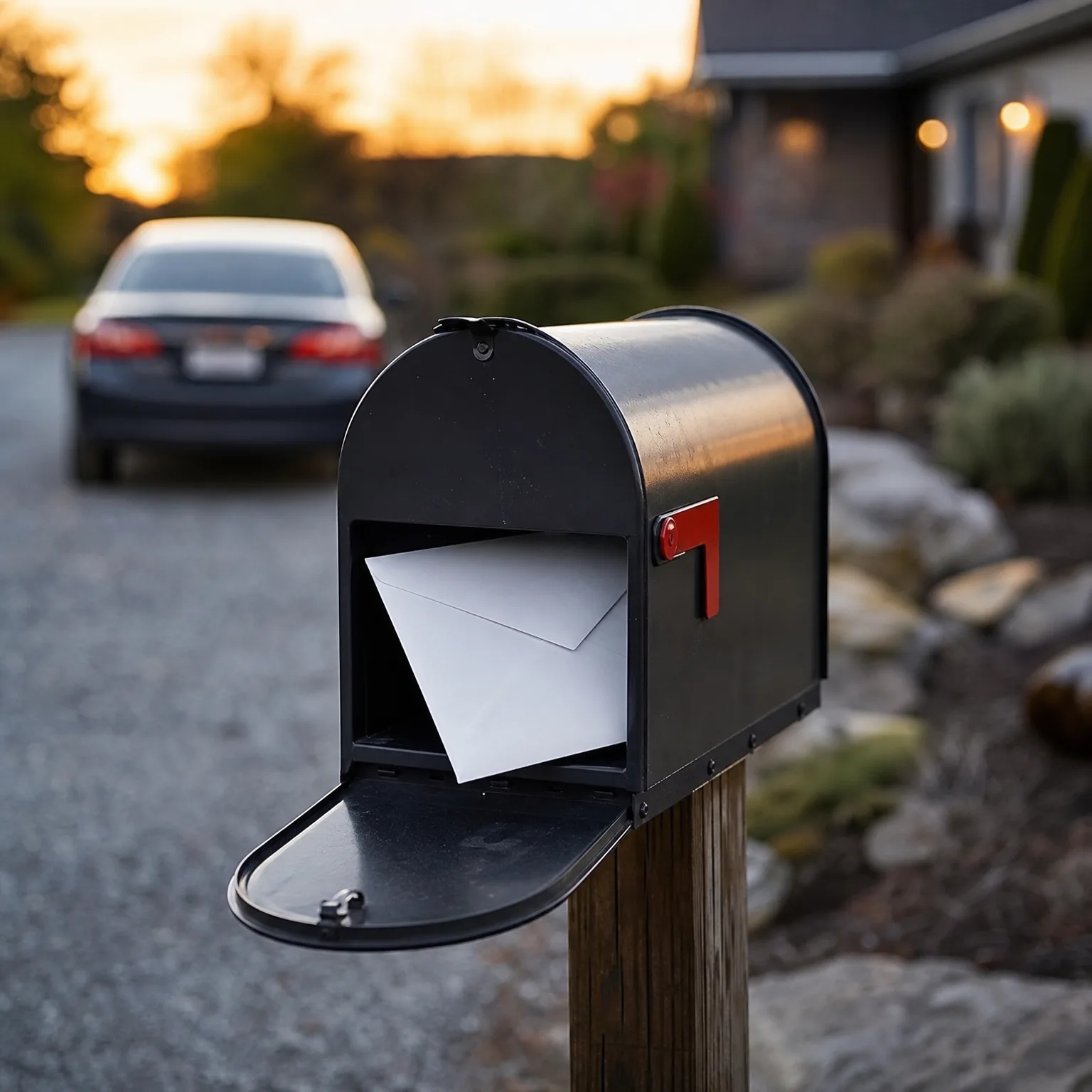
The correct sequence: submit court clearance documentation to DMV first, wait for DMV to update your suspension record (5-15 business days depending on submission method), then contact your insurance carrier to file SR-22. Some carriers can file electronically within 24 hours. Others mail paper certificates, adding another 7-10 days. Once DMV receives the SR-22 and confirms court compliance in their system, they process reinstatement and mail your license.
Most Delaware drivers file SR-22 immediately after finishing court requirements because they assume speed matters most. It does — but sequence matters more. Filing out of order does not accelerate your timeline. It creates a second verification step DMV must resolve manually, often extending processing by two weeks.

What Rideshare Background Checks Actually Flag
Uber and Lyft conduct initial background checks at application and continuous monitoring thereafter. Both platforms disqualify drivers with DUI convictions within the past seven years in Delaware. The conviction date controls eligibility, not the reinstatement date. If your DUI occurred within that window, rideshare driving is not available regardless of license status.
For drivers whose DUI falls outside the seven-year lookback, the background check flags any active suspension or unresolved court case on your MVR. This is where the court-DMV timing gap causes problems. Your court case is closed. Your license is technically eligible for reinstatement. But DMV's system still shows suspension active because you have not submitted court clearance or they have not processed it yet. The background check pulls DMV data, not court data.
Once DMV updates your record to show reinstatement complete and no active suspensions, the next background check cycle clears you. Uber and Lyft do not disclose exact monitoring frequencies, but most drivers report updates within 7-14 days of DMV record changes. You cannot force a manual re-check — the platform runs them on its own schedule.

Line Up Coverage Before Your License Comes Back
Get Back on the RoadNon-Owner SR-22 for Rideshare-Only Drivers
If you do not own a personal vehicle and plan to drive exclusively for rideshare using rental programs or platform-owned vehicles, you still need SR-22 filing to satisfy Delaware reinstatement requirements. A non-owner SR-22 policy provides liability coverage when you drive vehicles you do not own. Delaware DMV accepts non-owner SR-22 filings for reinstatement as long as the policy meets state minimum liability limits: $25,000 per person for bodily injury, $50,000 per accident, and $10,000 for property damage.
Non-owner policies cost significantly less than standard auto insurance because they exclude collision and comprehensive coverage. Monthly premiums typically range from $45 to $85 for drivers with a single DUI conviction and no other violations, depending on age and ZIP code. Carriers that write non-owner SR-22 in Delaware include Progressive, The General, and National General. Not all carriers offer this product — you must specifically request non-owner SR-22 when shopping quotes.
Rideshare platforms provide commercial liability coverage while you are actively transporting passengers or en route to a pickup. That coverage does not satisfy Delaware's SR-22 requirement. The SR-22 must be a separate personal auto liability policy in your name, filed with DMV by your carrier, maintained continuously for three years from your conviction date.

The Reinstatement Fee and License Issuance Timeline
Delaware charges a $200 reinstatement fee for DUI-related suspensions. This fee is separate from court fines, SR-22 filing costs, and insurance premiums. You pay it at DMV after they confirm court clearance and SR-22 filing. Payment does not guarantee same-day license issuance. DMV processes the reinstatement application, verifies all documentation is in order, and mails your new license to the address on file within 7-10 business days.
If you need proof of valid licensure immediately — for example, to start rideshare onboarding — DMV can issue a temporary driving permit at the reinstatement appointment. This permit is valid for 60 days and satisfies most rideshare platform requirements during background check processing. Not all DMV locations offer temporary permits for reinstatements. The Dover and Wilmington locations typically do. Call ahead to confirm availability.
Your total timeline from court completion to rideshare-eligible license: 5-15 days for DMV to process court clearance submission, 1-10 days for SR-22 filing depending on carrier, 7-10 days for license mailing after reinstatement fee payment. Realistic total: 20-35 days if you sequence steps correctly and use walk-in submission. 45-60 days if you mail documents or file SR-22 out of order.
Frequently Asked Questions
Can I drive for Uber in Delaware with a DUI on my record?
Uber disqualifies Delaware drivers with DUI convictions within the past seven years, measured from conviction date. If your DUI occurred more than seven years ago and your license is fully reinstated with no active suspensions, you are eligible. The seven-year window is a platform policy, not a Delaware state restriction.
How long does Delaware DMV take to process court clearance for DUI?
Delaware DMV typically processes court clearance submissions in 5-7 business days for walk-in delivery and 10-15 business days for mailed documentation. Processing times vary by location and staffing. Your suspension record is not updated until DMV completes this step, regardless of when your court case closed.
Do I need SR-22 if I only drive for rideshare and don't own a car?
Yes. Delaware requires SR-22 filing for three years after a DUI conviction regardless of vehicle ownership. You need a non-owner SR-22 policy, which provides liability coverage when driving vehicles you do not own. Rideshare platform coverage does not satisfy this requirement.
What happens if I file SR-22 before DMV receives my court clearance?
DMV places your SR-22 in pending status until court records confirm compliance. This does not accelerate reinstatement. It often adds 10-15 days to your timeline because DMV must manually verify and match documentation instead of processing sequentially.
Can I get a temporary license in Delaware while waiting for my permanent one?
Delaware DMV issues 60-day temporary driving permits at some reinstatement appointments. The Dover and Wilmington locations typically offer this. The temporary permit satisfies most rideshare platform licensing requirements during background check processing. Call your DMV location ahead to confirm availability.
How much does non-owner SR-22 insurance cost in Delaware?
Monthly premiums for non-owner SR-22 policies in Delaware typically range from $45 to $85 for drivers with a single DUI and no other violations. Rates vary by age, ZIP code, and carrier. Non-owner policies cost less than standard auto insurance because they exclude collision and comprehensive coverage.
Will Lyft know immediately when my Delaware license is reinstated?
Lyft conducts continuous background monitoring but does not disclose exact check frequencies. Most Delaware drivers report MVR updates appearing in platform systems within 7-14 days of DMV record changes. You cannot request a manual background re-check — the platform runs them on its own schedule.
Related Articles

Delaware CDL DUI Reinstatement: Court & DMV Timing
5/3/2026

DE Ticket Suspension for Rideshare: Court & DMV Timing
5/3/2026

Delaware Failure-to-Appear Reinstatement for Rideshare
5/3/2026
DE DUI Reinstatement: Court vs. DMV Clearance Timing
5/3/2026
Delaware Warrant Suspension: Court vs DMV Timeline
5/3/2026
DE DUI Reinstatement: Court-DMV Timing for Students
5/3/2026