
Colorado DUI SR-22 Filing: When to File After Suspension
Free to compare
Colorado's Early Reinstatement Program Eliminates the Hard Suspension Period for First DUI
Colorado allows first-offense DUI drivers to apply for an Early Reinstatement / Probationary License as soon as the suspension period begins. There is no mandatory hard suspension period during which you cannot drive at all. This is a structural difference from states like Arizona or Georgia that require 30-90 days of zero driving before restricted privileges become available.
The Early Reinstatement program requires three components active simultaneously: proof of SR-22 insurance filing, ignition interlock device installation verification submitted by your IID provider to the DMV, and approval from the DMV for restricted driving purposes. Most college students file SR-22 first because insurance is familiar, then discover the DMV will not process their Early Reinstatement application until the IID installation confirmation appears in the state system.
This creates a 30-45 day gap between SR-22 filing and actual restricted driving approval. The SR-22 certificate sits on file doing nothing while you wait for the IID provider to schedule installation, complete the work, and submit verification to Colorado DMV. If you install the device first and then file SR-22, both documents arrive at DMV within days of each other and your application moves immediately.
Colorado statute C.R.S. § 42-2-132.5 governs the Early Reinstatement program. The law does not explicitly require IID installation before SR-22 filing, but DMV administrative practice treats IID verification as a prerequisite for processing any Early Reinstatement application, which means the filing order is functionally mandatory even though the statute does not say so.

SR-22 Filing Period Runs Two Years from Conviction Date in Colorado DUI Cases
Colorado requires SR-22 filing for two years following a DUI conviction. The clock starts on the conviction date recorded by the court, not the arrest date, not the suspension effective date, and not the date you filed SR-22. If your conviction is January 15, your SR-22 filing period runs through January 15 two years later, regardless of when you actually purchased the policy.
This matters for college students whose court dates fall months after arrest. If you were arrested in August but convicted in December, your two-year SR-22 period does not begin until December. Filing SR-22 in August to prepare for Early Reinstatement does not shorten the total filing duration. You will maintain the filing for the full two years measured from conviction, plus any additional months between filing and conviction.
Any lapse in SR-22 coverage during the required filing period triggers a new suspension. Colorado's electronic insurance verification system reports policy cancellations to the DMV in near-real time through the Colorado Insurance Identification Database. If your policy cancels for non-payment or you switch carriers without coordinating the SR-22 transfer, DMV receives notification within 24-72 hours and issues an administrative suspension notice. The new suspension remains in effect until you file new SR-22 proof and pay a reinstatement fee, currently $95 for standard uninsured motorist suspensions but potentially higher for DUI-related lapses.
Estimates based on available industry data suggest SR-22 filing fees in Colorado range from $15 to $35 as a one-time carrier processing charge, separate from your premium increase. Individual filing fees and premium impacts vary by carrier, age, coverage selections, and county.


Ignition Interlock Device Installation Must Precede SR-22 Filing for DMV Processing
Colorado DMV will not approve an Early Reinstatement application until your ignition interlock provider submits installation verification electronically to the state system. This verification is separate from your installation receipt. The provider must confirm device installation, calibration, and that the unit is functioning correctly before DMV assigns you restricted driving privileges.
Most IID providers in Colorado schedule installations 7-14 days out from initial contact. If you call on Monday requesting installation for Tuesday, availability is unlikely unless you contact multiple providers. College students in Fort Collins, Boulder, or Colorado Springs have more provider options and shorter wait times than students in Durango, Grand Junction, or rural counties where one or two providers serve the entire region.
Once the device is installed, the provider submits verification to DMV within 1-3 business days. DMV posts the verification to your driver record, making your Early Reinstatement application eligible for processing. If you filed SR-22 before installation, your insurance proof sits in the system waiting for the IID verification to arrive. If you filed SR-22 after installation verification posted, both documents are present when DMV opens your application file and processing begins immediately.
Colorado requires ignition interlock installation for the entire Early Reinstatement period for DUI-related cases. If your restricted license is approved for one year, the device remains installed for that full year. Drivers designated as persistent drunk drivers under Colorado law face a mandatory two-year IID requirement regardless of restricted license duration. Persistent drunk driver designation applies to anyone with two or more DUI or DWAI offenses on their record.
Early Reinstatement Restricts Driving to Necessary Purposes Only
Colorado's Early Reinstatement / Probationary License limits driving to home, work, school, medical appointments, court-ordered programs such as DUI education classes or treatment, and ignition interlock service appointments. DMV defines the specific purposes at the time of issuance based on your application documentation. Social driving, recreational trips, and non-essential errands are prohibited.
College students must document school enrollment and class schedules when applying. If you work part-time in addition to attending classes, you need employer verification on company letterhead stating your work address and scheduled hours. DMV uses these documents to determine whether your requested driving purposes qualify as necessary under the Early Reinstatement program rules.
Violating the route or purpose restrictions while operating under an Early Reinstatement license results in immediate revocation of restricted privileges and extension of your full suspension period. Colorado law treats restricted license violations as serious compliance failures. If you are stopped driving to a party or a friend's house at 11 p.m. while holding a work-and-school-only restricted license, the officer will confiscate the license on the spot and your full suspension resumes.
DMV does not provide advance warning before revoking a restricted license for violations. The revocation is immediate upon notification from law enforcement or your IID provider. If your ignition interlock device records multiple failed breath tests or tampering attempts, the provider reports this to DMV and your restricted privileges end without a hearing or appeal window.

Line Up Coverage Before Your License Comes Back
Get Back on the Road
Colorado Operates Dual Reinstatement Tracks for DUI: Administrative and Court-Ordered
Colorado maintains separate administrative and judicial suspension systems for DUI cases. The administrative track is handled by the Division of Motor Vehicles under Express Consent law, C.R.S. 42-2-126. The judicial track is imposed by the criminal court as part of your DUI conviction sentence. A single DUI arrest triggers both tracks simultaneously and independently.
The administrative suspension begins when you fail a chemical test showing BAC of 0.08 or higher, or when you refuse testing. For a first offense, the administrative suspension is nine months for a failed test, one year for a refusal. The criminal court suspension begins upon conviction and runs for a period determined by the judge, typically nine months to one year for a first offense. These two suspensions do not run concurrently in all cases. Depending on timing, you may face administrative suspension first, then criminal suspension, with separate reinstatement requirements for each.
Early Reinstatement eligibility applies to the administrative suspension. If you complete the Early Reinstatement application, pay the fee, install the IID, and file SR-22, you can obtain restricted driving privileges during the administrative suspension period. However, when your criminal court suspension begins, you must verify with DMV whether your existing Early Reinstatement license satisfies the court-ordered suspension or whether a separate reinstatement process is required.
Most college students do not realize the two tracks exist until they receive a second suspension notice months after the first. Clearing the administrative suspension through Early Reinstatement does not automatically satisfy the criminal court's suspension order. DMV coordinates these timelines internally, but the coordination is not automatic and does not eliminate the dual-track structure.
Non-Owner SR-22 Policies Cover College Students Without a Vehicle
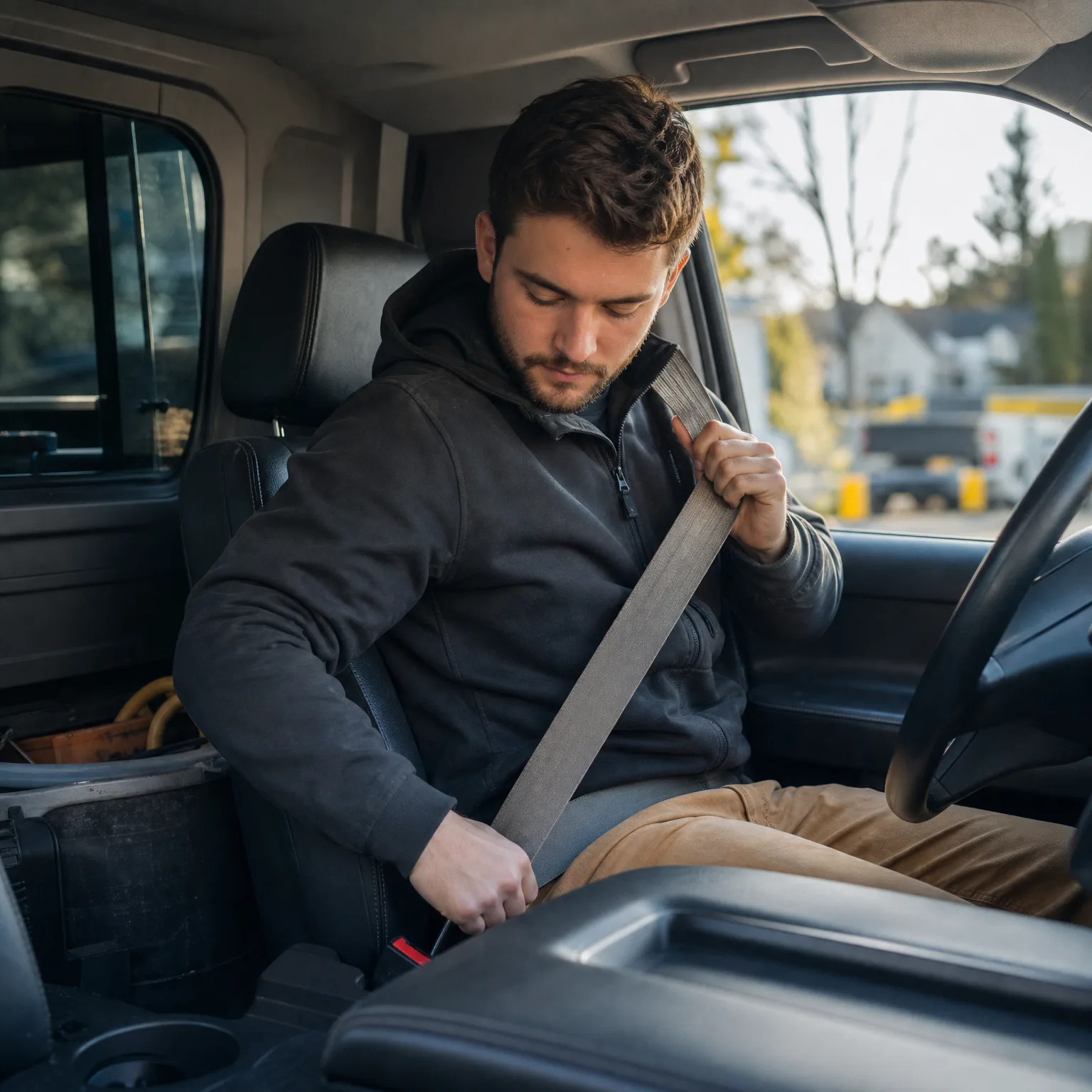
Non-owner SR-22 insurance provides liability coverage when you drive a vehicle you do not own, and satisfies Colorado's SR-22 filing requirement for reinstatement. College students who sold their car after suspension, or who never owned a vehicle and borrowed a parent's car occasionally, need non-owner policies rather than standard auto policies.
Non-owner policies are typically less expensive than standard policies because they do not cover a specific vehicle for collision or comprehensive damage. Estimates based on available industry data suggest non-owner SR-22 policies in Colorado cost approximately $40 to $90 per month, compared to $140 to $250 per month for a standard SR-22 policy covering a owned vehicle. Individual rates vary by age, county, and carrier.
If you later purchase a vehicle while holding a non-owner policy, you must notify your carrier immediately and convert to a standard policy. Non-owner policies do not cover vehicles you own or regularly use, which means driving your newly purchased car under a non-owner policy leaves you uninsured for that vehicle. The SR-22 filing transfers to your new standard policy without interruption as long as you coordinate the switch with your carrier before the non-owner policy cancels.
Colorado DMV accepts non-owner SR-22 filings for Early Reinstatement applications. You do not need to own a vehicle to qualify for restricted driving privileges. The IID requirement still applies and the device must be installed in any vehicle you intend to operate under the restricted license, even if you do not own that vehicle.
What to Do Right Now if Your Suspension Notice Arrived This Week
Contact three to five ignition interlock device providers in your county today and schedule installation appointments. Ask each provider how many business days after installation they submit verification to Colorado DMV. Providers who submit electronically the same day or next day reduce your waiting period. Providers who mail paper forms add 5-10 days to your timeline.
Once you have an installation date confirmed, contact SR-22 insurance carriers or an independent agent who works with high-risk drivers. Request quotes for SR-22 filing with an effective date matching your IID installation date or one to two days after. Do not file SR-22 before your IID installation date because the filing will sit inactive while you wait for device installation and verification.
Gather documentation for your Early Reinstatement application while waiting for your IID installation appointment: proof of school enrollment such as a current class schedule or registration confirmation, employer verification letter on company letterhead if you work, proof of residence showing your current address, and a copy of your suspension notice from DMV. Colorado DMV provides Early Reinstatement application forms on the DMV website at dmv.colorado.gov or at any driver license office. Submit your application in person at a DMV office after both SR-22 filing and IID installation verification are confirmed in the system.
Budget for the $95 base reinstatement fee, IID installation fees typically ranging from $75 to $150, monthly IID lease fees of $60 to $90, and your first month's SR-22 insurance premium. Your total upfront cost to begin restricted driving will be approximately $400 to $600 depending on your county and the providers you select.
Frequently Asked Questions
Can I file SR-22 before my DUI court date in Colorado?
You can file SR-22 before conviction, but the two-year filing period does not begin until your conviction date. Filing early does not shorten the total time you must maintain SR-22 coverage. If you file in August and are convicted in December, you will carry SR-22 from August through December two years later, not August two years from filing.
What happens if my SR-22 policy lapses during my two-year filing period in Colorado?
Colorado DMV receives electronic notification of policy cancellation within 24-72 hours and issues an administrative suspension. Your restricted driving privileges end immediately. You must file new SR-22 proof, pay a reinstatement fee, and restart the Early Reinstatement approval process.
Does Colorado require ignition interlock for first-offense DUI?
Yes. Colorado requires ignition interlock device installation for all DUI-related Early Reinstatement cases, including first offenses. The device must remain installed for the entire restricted license period. DMV will not approve restricted driving privileges until your IID provider submits installation verification to the state system.
Can I use my parents' car with a non-owner SR-22 policy in Colorado?
Yes, but the ignition interlock device must be installed in your parents' vehicle if you intend to drive it under your restricted license. Non-owner SR-22 policies satisfy Colorado's filing requirement, but the IID installation requirement applies to any vehicle you operate during the Early Reinstatement period.
How long does Colorado DMV take to approve an Early Reinstatement application after I submit it?
Processing typically takes 7-14 business days after DMV confirms both SR-22 filing and IID installation verification are present in your driver record. Applications submitted without IID verification on file sit in pending status until the provider submits confirmation, which can extend processing by 30-45 days.
Does my Early Reinstatement license satisfy both administrative and court-ordered suspensions in Colorado?
Not automatically. Colorado operates separate administrative and criminal suspension tracks for DUI cases. Early Reinstatement applies to the administrative suspension imposed under Express Consent law. When your criminal court suspension begins, verify with DMV whether your existing restricted license satisfies the court order or whether separate reinstatement is required.
What are the approved driving purposes under Colorado's Early Reinstatement program for college students?
DMV restricts driving to home, work, school, medical appointments, court-ordered programs such as DUI classes, and ignition interlock service appointments. You must document school enrollment and work schedules when applying. Social driving, recreational trips, and non-essential errands are prohibited and result in immediate license revocation if discovered.
Related Articles
Reinstate DUI License Colorado Springs: Real Timeline
4/29/2026

Reinstate DUI License in Denver: SR-22 & Interlock Steps
4/29/2026

Idaho DUI SR-22 Timing for Single Parents | Filing Guide
5/3/2026
AZ DUI Reinstatement for Students: SR-22 & IID Timing
5/3/2026

AZ CDL DUI Reinstatement: SR-22 & IID Timing
5/3/2026
AZ Rideshare DUI: SR-22 Filing Timing After Suspension
5/3/2026