
DUI Reinstatement Costs in Colorado for College Students
Free to compare
Why the $95 DMV reinstatement fee is only 15% of your actual cost
Colorado charges $95 for DUI reinstatement, but that number appears nowhere in your final cost calculation. The real expense is the SR-22 insurance requirement Colorado imposes for two years after reinstatement, and the carrier markup college-age drivers face creates a cost stack the DMV reinstatement worksheet doesn't capture.
Your total reinstatement cost breaks into three components: the $95 DMV fee (one-time), the SR-22 filing fee carriers charge ($15-$35 annually), and the SR-22 premium markup your carrier applies to your base policy. For college-age drivers in Colorado, that markup typically runs 40-85% above standard liability rates because you're combining high-risk SR-22 filing with under-25 age rating. A policy that would cost a 35-year-old driver $85/month costs a 21-year-old driver $140-$190/month for identical coverage.
The two-year filing period requirement means you're budgeting for 24 months of elevated premiums, not a one-time fee. Most college students calculate reinstatement costs as DMV fee plus first month's insurance and discover six months later they've spent $2,400 they didn't budget for. The filing fee is real but minor. The markup is where your money goes.
How ignition interlock device installation timing affects your insurance start date
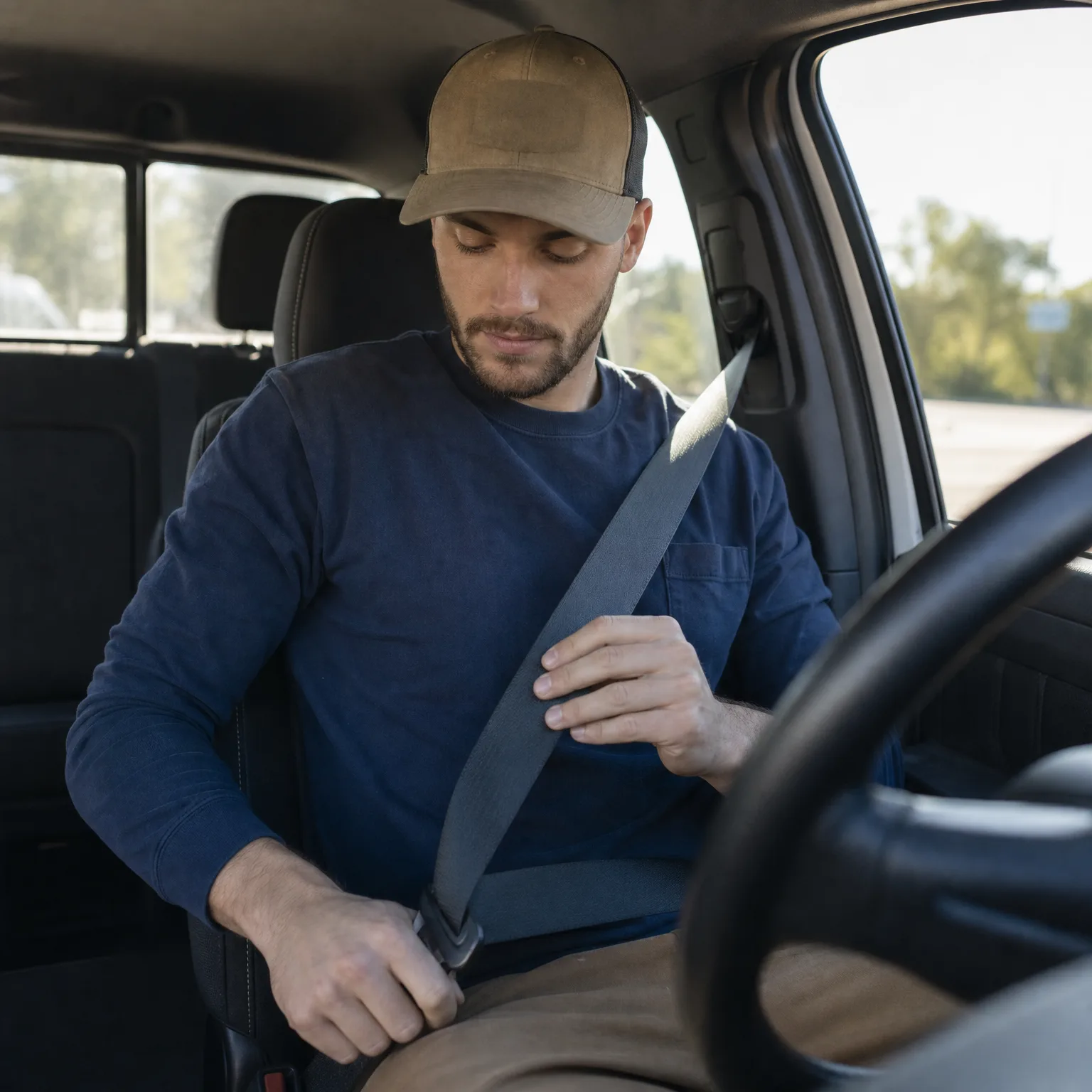
Colorado allows early reinstatement with an ignition interlock device for DUI suspensions, which eliminates the traditional hard suspension period but introduces a coordination problem most college students miss. You can apply for interlock-restricted driving essentially from the start of your revocation, but your SR-22 insurance must be active before the DMV processes your early reinstatement application.
The sequence matters because IID installation takes 3-7 days to schedule after you select a provider, and your SR-22 policy needs to show active coverage when you submit your reinstatement paperwork. File SR-22 the same week you schedule IID installation and you'll face a 10-14 day gap where you're paying for insurance you can't legally use yet. File SR-22 after IID installation and the DMV rejects your application for incomplete documentation.
The lowest-cost approach: get quotes and select your carrier two weeks before your scheduled IID installation date, then activate the policy the day before installation. This creates a 24-hour coverage buffer without paying for unused weeks. Most college students lose a full month of premium cost to timing gaps because they treat insurance and IID installation as sequential tasks instead of overlapping requirements with a specific coordination window.


What non-owner SR-22 policies cost when you sold your car to pay legal fees
You sold your car to cover court costs and attorney fees. Now you need SR-22 insurance to reinstate but don't own a vehicle. Colorado accepts non-owner SR-22 policies for reinstatement, and they cost 35-50% less than standard policies because they carry liability-only coverage with no collision or comprehensive.
Non-owner policies for college-age drivers with SR-22 filing typically run $95-$140/month in Colorado, compared to $140-$190/month for a standard policy on a vehicle you own. Over the mandatory two-year filing period, that's a $1,080-$1,200 difference. The policy covers you when driving borrowed vehicles, rental cars, or employer vehicles, which makes it functional for most college students who rely on occasional access rather than daily ownership.
The eligibility requirement: you cannot have regular access to a household vehicle titled in your name or a family member's name at your primary residence. If you live at home and your parents own cars you sometimes drive, you need to be added as a listed driver on their policy with SR-22 endorsement instead of carrying a separate non-owner policy. The distinction matters because listed-driver SR-22 endorsements raise your parents' premiums, which creates a household cost-sharing dynamic non-owner policies avoid entirely.

Line Up Coverage Before Your License Comes Back
Get Back on the RoadHow the two-year SR-22 filing clock starts and when carriers actually release you
Colorado requires SR-22 filing for two years measured from your reinstatement date, not your conviction date or suspension start date. This means the clock doesn't start until the DMV processes your reinstatement and your license shows active status, which creates a common calculation error among college students who assume the filing period overlaps with their suspension.
If your license was suspended for nine months and you didn't pursue early reinstatement with an interlock device, your two-year SR-22 requirement begins after those nine months end. Your total post-DUI restricted period is nine months suspended plus 24 months SR-22 filing, not 24 months total. Most college students budget for two years of elevated insurance and discover at month 18 they still have 15 months remaining.
Carrier release timing adds another coordination layer. Your SR-22 filing obligation ends exactly two years after reinstatement, but your carrier must submit an SR-26 form to the DMV confirming coverage termination. That filing takes 7-10 business days to process, and some carriers auto-renew your policy before submitting the SR-26 unless you request termination in writing 30 days before your filing anniversary. Missing that window costs you an additional month of high-risk premiums you no longer legally need to carry.

Why your out-of-state college address creates a premium zone mismatch
You attend college in Fort Collins but your license lists your parents' Colorado Springs address. Carriers rate SR-22 policies based on the garaging address where the vehicle is primarily kept, not your license address, and the premium difference between Colorado rating zones can reach 25-40% for college-age drivers.
Fort Collins falls into a lower-cost rating zone than Colorado Springs for liability claims frequency, which means updating your policy address to reflect where you actually live and drive saves $20-$35/month on identical coverage. Over two years that compounds to $480-$840 in unnecessary cost. The address update requires proof of residence—a lease agreement, utility bill, or school enrollment documentation showing your Fort Collins address—and takes 3-5 business days to process with most carriers.
The coordination requirement: your SR-22 filing must show the same address as your driver's license reinstatement application. If you update your insurance garaging address to Fort Collins but your license still shows Colorado Springs, the DMV flags the mismatch and delays processing. The correct sequence is update your license address with the DMV first, then update your insurance garaging address to match, then file SR-22. Reversing that order creates a 15-30 day documentation loop most college students only discover after their reinstatement application is rejected.

The total cost calculation most college students get wrong
Your actual two-year reinstatement cost stack for a DUI in Colorado as a college-age driver breaks down to: $95 DMV reinstatement fee, $30-$70 SR-22 filing fees over two years, $2,280-$4,560 in elevated insurance premiums, and $900-$1,800 in ignition interlock device costs if you pursue early reinstatement. Total range: $3,305-$6,525 depending on carrier, coverage limits, city rating zone, and whether you own a vehicle or carry non-owner coverage.
The variables that move you from the low end to the high end of that range: owning a vehicle versus non-owner policy (adds $1,080-$1,200), living in a high-cost rating zone like Denver or Colorado Springs versus Fort Collins or Pueblo (adds $480-$840), and selecting higher liability limits than the state minimum 25/50/15 (adds $15-$30/month). Most college students land in the $4,200-$4,800 range because they own an older vehicle, live near campus in a mid-tier rating zone, and carry state minimum limits.
The cost aggregators and DMV reinstatement guides miss: SR-22 premium markup compounds with under-25 age rating, creating a combined loading factor that makes your per-month cost 2-3 times higher than the adult baseline rates most cost calculators reference. A 40% SR-22 markup applied to an already-elevated under-25 base rate produces a 75-95% total increase over what a 30-year-old driver pays for identical coverage. That compounding effect is the single largest cost driver in your reinstatement budget and the one no DMV worksheet surfaces.
Frequently Asked Questions
Can I get SR-22 insurance in Colorado if I'm under 21?
Yes. Colorado does not have a minimum age restriction for SR-22 filing, but carriers treat drivers under 21 as higher risk and apply steeper premium markups—typically 50-90% above base rates for liability coverage. You'll need to comparison-shop among non-standard carriers who specialize in high-risk policies, as many standard carriers decline SR-22 applications from drivers under 21 entirely.
Does my parents' insurance cover my SR-22 requirement in Colorado?
Only if you're added as a listed driver on their policy with an SR-22 endorsement attached to your name. The SR-22 filing must be tied to your driver's license specifically, so a general family policy without your name listed doesn't satisfy Colorado's reinstatement requirement. Adding you as a listed driver with SR-22 typically raises your parents' premiums by $80-$150/month depending on their current carrier and coverage limits.
What happens if I let my SR-22 lapse during college in Colorado?
Your carrier notifies the Colorado DMV within 24 hours of cancellation or lapse, and the DMV automatically suspends your license again. Reinstatement after an SR-22 lapse requires paying the $95 reinstatement fee a second time, filing new SR-22 proof of insurance, and restarting your two-year filing period from the new reinstatement date—not continuing where you left off.
Can I transfer my Colorado SR-22 if I move out of state for college?
No. SR-22 filings are state-specific and don't transfer across state lines. If you establish residency in another state by updating your driver's license, you'll need to obtain an SR-22 filing in your new state and verify whether that state honors Colorado's two-year filing requirement or imposes its own duration. Some states require three years of SR-22 filing for DUI, which would extend your timeline beyond Colorado's original requirement.
How much does ignition interlock cost for early reinstatement in Colorado?
Installation runs $75-$150 and monthly monitoring fees cost $60-$90, so a one-year interlock requirement costs approximately $900-$1,230 total. Colorado allows early reinstatement with interlock for DUI suspensions, but you're still required to maintain SR-22 insurance for two years after reinstatement, meaning the interlock shortens your no-drive period but doesn't reduce your insurance filing obligation.
Do I need full coverage insurance for SR-22 in Colorado as a college student?
No. Colorado only requires liability coverage to satisfy SR-22 filing—state minimum limits are 25/50/15. If you own your vehicle outright with no loan or lease, you can carry liability-only SR-22 and skip collision and comprehensive coverage, which saves $40-$80/month. If you have an auto loan, your lender will require full coverage regardless of the state's SR-22 minimum.
Related Articles

CO Lapse Reinstatement Costs for College Students
5/3/2026

Colorado DUI Reinstatement Costs: Single Parent Guide
5/3/2026

CDL DUI Reinstatement Costs Colorado: Real Fee Stack
5/3/2026
CA DUI Reinstatement Costs for Students: Full Stack
5/3/2026

CO Insurance Lapse Reinstatement Costs: Full Breakdown
5/3/2026

DC DUI Reinstatement Costs for College Students
5/3/2026