
Alabama DUI Reinstatement for Rideshare: Court vs DMV Timing
Free to compare
Why Your Court-Approved Restricted License Doesn't Activate Rideshare Clearance Immediately
Alabama's circuit courts issue restricted license orders independent of ALEA's Driver License Division database updates. Your judge signs the order, you receive physical documentation, and you believe you're cleared to drive. But rideshare platforms verify eligibility through ALEA's electronic driver record system, not through court filings.
ALEA processes court orders manually. A circuit court clerk submits your restricted license approval to ALEA, which then updates your driver status code. This administrative processing takes 15 to 30 days in most counties, longer during peak filing periods. During this gap, your ALEA record still shows an active suspension.
Uber and Lyft run background checks that query ALEA directly. When their systems pull your record during the verification window, the suspension flag remains. Your court order exists, your SR-22 is filed, but the rideshare platform sees an ineligible driver. Most Alabama rideshare drivers lose two to four weeks of potential income because they assume court approval equals immediate platform reinstatement.

The SR-22 Filing Sequence That Rideshare Platforms Actually Check
Alabama requires SR-22 filing before circuit court will consider your restricted license petition for DUI-related suspensions. You file SR-22 through an Alabama-authorized insurer, your carrier submits proof to ALEA electronically, and ALEA updates your insurance compliance status. This typically processes within 3 to 5 business days.
But SR-22 compliance alone doesn't clear the suspension flag. ALEA's system distinguishes between insurance compliance (SR-22 filed and active) and driving eligibility (restricted license granted and verified). Rideshare platforms check both fields. If your driver status still reads "suspended" even though SR-22 shows compliant, their automated systems reject your application.
The court-to-ALEA update is the bottleneck. Your SR-22 posts quickly. Your restricted license approval takes weeks to flow from circuit court records to ALEA's driver database. During that lag, you hold valid court authorization but fail rideshare background checks because the two systems haven't synced.

How Ignition Interlock Installation Timing Affects Rideshare Vehicle Approval
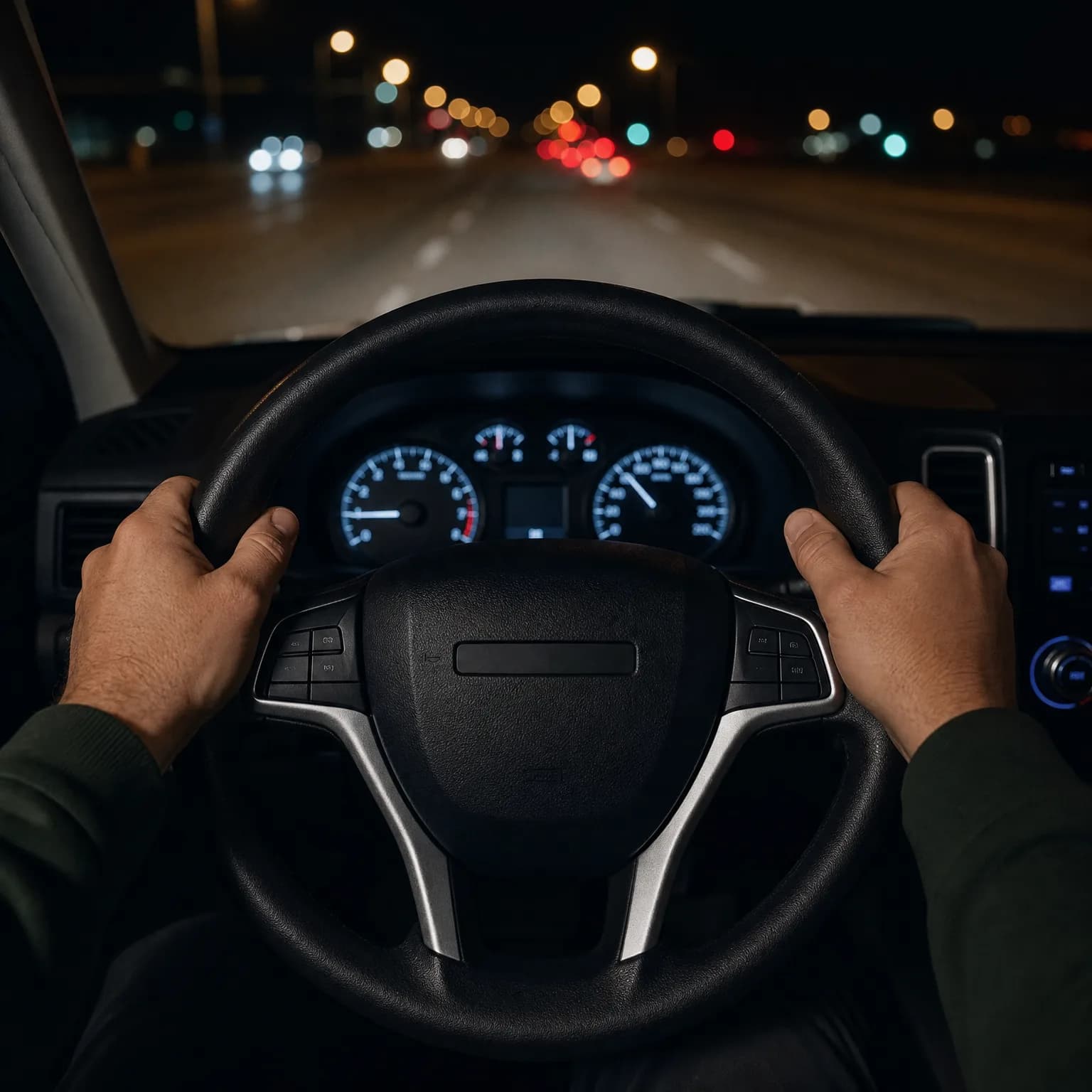
Alabama Code § 32-5A-191 requires ignition interlock devices for most DUI-related restricted licenses. Circuit courts specify IID installation as a condition of your restricted license order. You must install the device, obtain verification from your IID provider, and submit that verification to both the court and ALEA.
Rideshare drivers face an additional layer: the vehicle you intend to use for Uber or Lyft must have the IID installed if your restricted license mandates it. You cannot install the device in a personal vehicle for commuting purposes, then attempt to use a different vehicle without IID for rideshare driving. The restricted license restriction follows you, not the vehicle.
Most Alabama rideshare drivers discover this when their platform account is flagged after attempting to add a vehicle. The IID requirement appears in your ALEA record once the court order processes. Rideshare compliance teams see the IID mandate and require proof that your rideshare vehicle is equipped. If you're renting a vehicle or using a fleet program, confirm the vehicle can accommodate IID installation before submitting it for platform approval.
What Circuit Court Route Restrictions Mean for Rideshare Operational Zones
Alabama circuit courts issue restricted licenses with court-defined route and time limitations. Typical approvals limit driving to home-to-work, home-to-school, or home-to-medical appointments during specified hours. Rideshare driving does not fit traditional restricted license categories because your routes vary by passenger request.
Some Alabama counties allow "employment purposes" language broad enough to cover rideshare driving if you can demonstrate rideshare income as your primary employment. Other counties require specific employer affidavits, which independent contractors cannot provide. The outcome depends on the individual judge and how your attorney frames the petition.
If your restricted license order specifies fixed routes or a defined geographic area, operating outside those boundaries violates the restriction terms. Most rideshare drivers cannot comply with fixed-route restrictions and still accept platform requests. You need explicit "rideshare employment" or "variable employment routes" language in your court order. Without it, accepting a ride outside your approved zone creates a separate violation that can trigger restricted license revocation and extend your suspension period.

Line Up Coverage Before Your License Comes Back
Get Back on the Road
ALEA Reinstatement Fee Structure for Rideshare Drivers Post-DUI
Alabama charges a $275 base reinstatement fee for DUI-related suspensions, plus an additional $200 DUI-specific fee, totaling $475 before any court costs or IID expenses. These fees apply whether you're seeking full reinstatement or restricted license approval. Payment is required before ALEA will process your application.
Rideshare drivers often assume restricted license fees are lower than full reinstatement fees. They are not. The restricted license route through circuit court adds court filing fees (typically $150 to $300 depending on county) and attorney fees if you hire representation. You pay the same ALEA reinstatement fees once your restricted period ends and you petition for full license restoration.
Budget for the full reinstatement cost upfront. ALEA will not update your driver record until payment posts. Rideshare platforms cannot verify your eligibility until ALEA's system reflects both payment and restricted license approval. Partial payment or payment plans do not accelerate the verification timeline.

How Long SR-22 Filing Lasts After Your Restricted License Period Ends
Alabama requires SR-22 filing for 3 years from your DUI conviction date, not from your restricted license approval date or your full reinstatement date. The clock starts when the court enters your conviction, whether you're still suspended, on a restricted license, or fully reinstated.
Most rideshare drivers misunderstand this timeline. You serve your hard suspension period, petition for a restricted license six months later, operate under restricted terms for a year, then apply for full reinstatement. Your SR-22 filing obligation continues until three years from the original conviction date, regardless of how long reinstatement took.
If your SR-22 lapses at any point during the 3-year period, ALEA suspends your license again immediately. Your insurer must maintain continuous filing. Rideshare drivers switching carriers mid-filing period must ensure the new carrier files SR-22 before the old carrier cancels, with zero gap. A single day of non-coverage triggers a new suspension and restarts the reinstatement process from the beginning.
What to Do Right Now If You're a Rideshare Driver Facing Alabama DUI Reinstatement
Contact an Alabama-authorized SR-22 insurer before you petition for a restricted license. SR-22 filing is a prerequisite for court consideration. Obtain proof of filing and confirm your insurer has submitted it to ALEA electronically. Verify SR-22 compliance appears in your ALEA record before scheduling your restricted license hearing.
Petition circuit court with employment documentation that explicitly describes rideshare driving as your income source. Bring 1099 forms, platform earnings statements, and a letter explaining that rideshare work requires variable routes within your county or metropolitan area. Request language in the court order that permits "rideshare employment purposes" rather than fixed routes.
Once the court grants your restricted license, request written confirmation of the filing date from the clerk's office. Contact ALEA Driver License Division 15 days after that date to confirm your driver record has been updated. Do not attempt to reactivate your rideshare platform account until ALEA confirms the restricted license status appears in their system. Attempting to drive before verification completes creates liability exposure and platform account suspension risk that extends beyond your legal clearance timeline.
Frequently Asked Questions
Can I drive for Uber in Alabama with a restricted license after a DUI?
Yes, if your circuit court restricted license order explicitly permits rideshare employment and ALEA has updated your driver record to reflect restricted license approval. Uber and Lyft verify eligibility through ALEA's system, so court approval alone is not sufficient until the administrative update completes, which typically takes 15 to 30 days after your court hearing.
Does my SR-22 filing count start over if I switch from a restricted license to full reinstatement in Alabama?
No. Alabama's 3-year SR-22 requirement runs from your DUI conviction date, not from reinstatement or restricted license approval. Moving from restricted to full license does not restart the clock, but allowing your SR-22 to lapse at any point during the 3-year period triggers immediate suspension and restarts the entire reinstatement process.
Do I need an ignition interlock device in my rideshare vehicle if my Alabama restricted license requires IID?
Yes. If your restricted license order mandates ignition interlock installation, the device must be installed in any vehicle you operate, including rideshare vehicles. You cannot install IID in a personal car and drive a different vehicle for Uber or Lyft without the device.
How much does it cost to reinstate an Alabama license after DUI for rideshare driving?
$475 in ALEA fees ($275 base reinstatement plus $200 DUI-specific fee), plus circuit court filing fees of $150 to $300 depending on county, plus SR-22 insurance premiums and ignition interlock costs if required. Attorney fees add another $500 to $1,500 if you hire representation for the restricted license petition.
Why does Uber show my Alabama license as suspended even after my court approved my restricted license?
Circuit court approval and ALEA database updates are separate processes. Uber verifies driver eligibility through ALEA's electronic records, which update 15 to 30 days after the court clerk submits your restricted license order. Your license shows suspended in ALEA's system until that manual processing completes, even though you hold valid court authorization.
Can I use a fleet vehicle for rideshare in Alabama if my restricted license requires specific routes?
Only if your restricted license order permits variable employment routes or explicitly authorizes rideshare work. Fixed-route restrictions limit you to pre-approved locations and times, which rideshare driving cannot accommodate. You need court language that allows rideshare employment purposes, not just home-to-work commuting.
Related Articles
Alabama Child Support Suspension SR-22 for Rideshare
5/3/2026
Alabama Rideshare SR-22 Timing After DUI Suspension
5/3/2026
Alabama Rideshare Lapse: Court & ALEA Timing
5/3/2026
Alabama Unpaid Ticket Reinstatement Cost for Rideshare
5/3/2026

Alabama DUI Reinstatement for Rideshare: Real Cost Stack
5/3/2026
Alabama Child Support Suspension: Court vs DMV Timing
5/3/2026