
Alabama CDL DUI Reinstatement: Court vs ALEA Clearance Timing
Free to compare
Why Your CDL Stays Suspended After Court Clearance
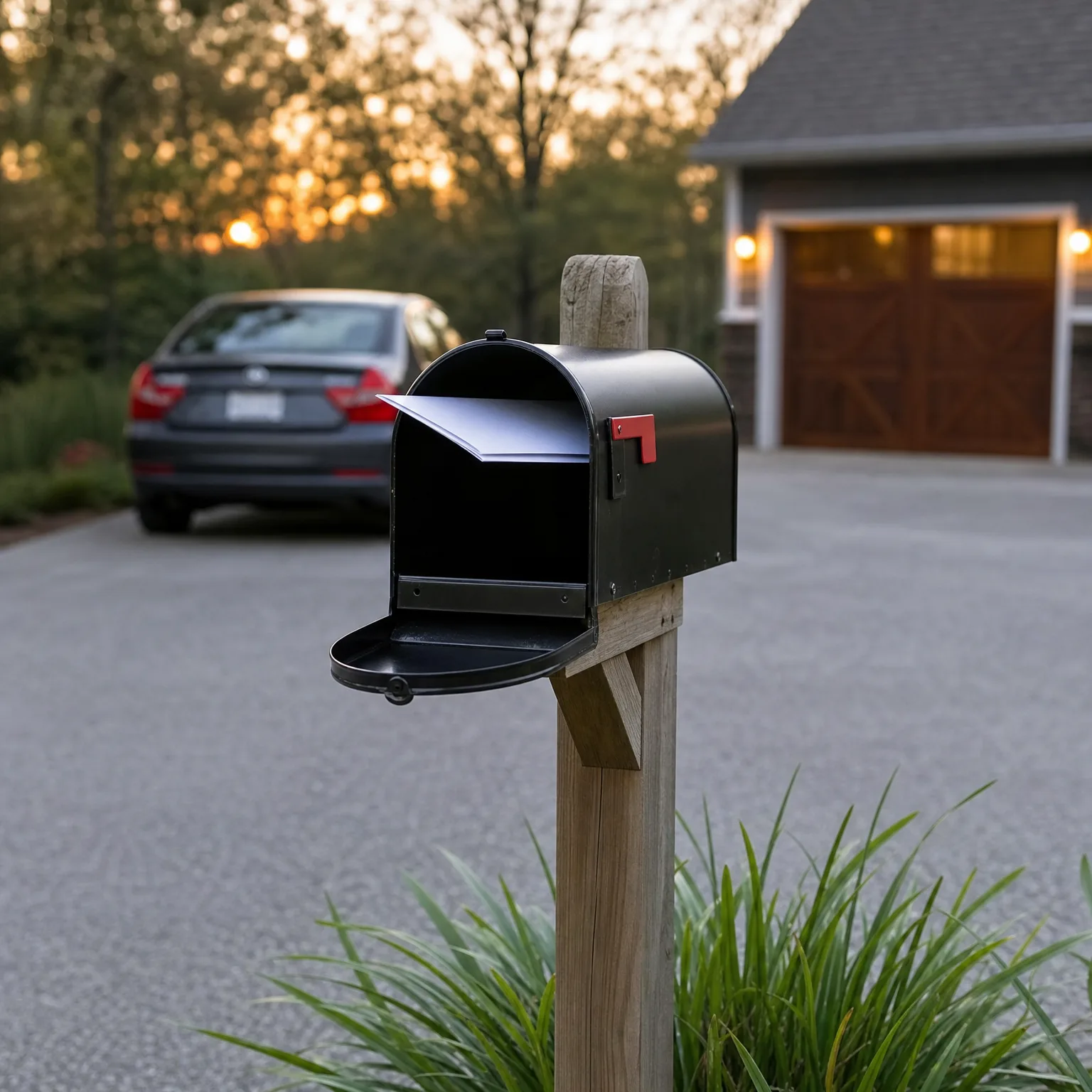
Alabama operates two parallel reinstatement tracks for commercial drivers after a DUI: the circuit court criminal case and the Alabama Law Enforcement Agency administrative suspension. Completing your court-ordered DUI program, ignition interlock requirement, and fines does not automatically clear your ALEA driver license suspension. The court submits conviction records to ALEA, but compliance records—proof you finished probation, completed substance abuse programs, or satisfied ignition interlock terms—require separate submission directly from you or your attorney to ALEA's Driver License Division.
Most CDL holders discover this gap when they arrive at an ALEA office expecting to reinstate and are told no court clearance is on file. The $275 base reinstatement fee plus the additional $200 DUI-specific fee (totaling $475) cannot be processed until ALEA's system shows court compliance verified. This is not a processing delay. ALEA has no record because the circuit court does not transmit completion documentation automatically.
The timing matters acutely for commercial drivers. Your employer cannot legally dispatch you with a suspended CDL. Every day between court completion and ALEA clearance verification is lost income. Understanding the manual submission requirement and preparing documentation before your court case closes can compress this window from 45-60 days to under two weeks.
What ALEA Requires Beyond Court Records
ALEA's commercial licensing division requires three categories of proof before processing CDL reinstatement after a DUI: court compliance verification, SR-22 certificate filing, and ignition interlock compliance records if applicable under Alabama Code § 32-5A-191. Court compliance means a certified copy of your probation discharge or case closure order showing all conditions satisfied. A printout from your probation officer is not sufficient. The document must be certified by the circuit court clerk and bear the court seal.
SR-22 filing must show active on ALEA's system before reinstatement can proceed. Alabama requires SR-22 maintained for 3 years following DUI-related revocations. Most commercial drivers carry non-owner SR-22 policies if they no longer own a personal vehicle but need proof of financial responsibility. Your carrier files the SR-22 electronically with ALEA, but verification typically takes 3-5 business days to populate in ALEA's database. Filing SR-22 the same week you submit court clearance documents creates processing conflicts—file SR-22 at least 7 days before your planned ALEA reinstatement appointment.
Ignition interlock verification comes from your IID provider, not the court. Alabama's ignition interlock program requires providers to submit installation verification and ongoing compliance reports to ALEA electronically. If your DUI conviction required ignition interlock as a condition of restricted license or reinstatement, ALEA will not process your CDL reinstatement until the IID provider confirms installation and at least 90 days of clean readings. Many CDL holders assume interlock requirements apply only to personal vehicles. Alabama law applies interlock requirements to the driver, not the vehicle class—your commercial employer's trucks are exempt from installation, but you must have interlock installed on any personal vehicle you operate during the mandated period.


The Court-to-ALEA Submission Process
Start the clearance submission process before your final court hearing if possible. Request a certified copy of your case disposition order the same day the judge signs it. Circuit court clerks in Jefferson, Mobile, Madison, and Montgomery counties typically process certification requests within 2-3 business days. Smaller county clerks may require 5-7 business days. Do not wait for the clerk to mail the document. Pick it up in person or arrange courier service if you cannot travel.
Submit the certified court order, your current SR-22 certificate, and ignition interlock compliance summary (if applicable) to ALEA's Driver License Division by mail or in person. ALEA's Montgomery headquarters at 301 South Ripley Street processes commercial reinstatements for all counties. Walk-in submission allows you to obtain a date-stamped receipt showing ALEA received your documents. Mailed submissions should be sent certified mail with return receipt. ALEA's processing timeline for commercial reinstatements averages 10-15 business days from receipt of complete documentation.
Pay the reinstatement fees only after ALEA confirms your documentation is complete and your clearance is processing. The $275 base fee and $200 DUI surcharge can be paid online through ALEA's portal once your account shows eligible for reinstatement. Paying fees before clearance verification does not accelerate processing and creates confusion if additional documentation is later required. ALEA does not refund fees paid prematurely.

Line Up Coverage Before Your License Comes Back
Get Back on the RoadCDL-Specific Complications Most Drivers Miss
Federal Motor Carrier Safety Administration regulations impose additional requirements beyond Alabama state law. A DUI conviction in any vehicle—personal or commercial—triggers a mandatory one-year CDL disqualification under 49 CFR § 383.51. This federal disqualification runs concurrently with Alabama's state suspension but is not automatically lifted when you reinstate your Alabama Class D license. You must apply for CDL reinstatement separately after satisfying both the state suspension and the federal disqualification period.
Alabama does not issue restricted commercial licenses. Your restricted license (if granted by the court during suspension) applies only to Class D personal driving—typically limited to travel between home, work, medical appointments, and substance abuse program attendance. Operating a commercial vehicle on a restricted license violates both state and federal law and extends your CDL disqualification permanently in most cases. Employers who knowingly dispatch drivers on restricted licenses face FMCSA penalties and potential loss of operating authority.
Some commercial drivers attempt to reinstate their CDL in stages—first clearing the Class D suspension, then applying for CDL reinstatement weeks or months later. This approach doubles your ALEA fees. Alabama charges the $275 base fee and $200 DUI surcharge for each license class reinstated separately. Coordinating both reinstatements in a single application requires submitting all federal disqualification clearance documentation alongside your state court clearance, SR-22, and ignition interlock records. Most drivers benefit from consulting a CDL-focused attorney to package this documentation correctly the first time.

When ALEA Denies Reinstatement Despite Court Clearance
ALEA denies approximately 15-20% of initial CDL reinstatement applications after DUI, most often for incomplete ignition interlock records or lapsed SR-22 coverage. Ignition interlock compliance requires continuous monitoring. A single missed monthly calibration appointment or failed breath test during your mandated IID period resets your compliance timeline. ALEA's system shows interlock compliance as a yes/no status flag—there is no partial credit for months of clean operation if a violation occurred.
SR-22 lapses trigger automatic re-suspension even if your original suspension is otherwise cleared. Your carrier must maintain continuous SR-22 filing for the full 3-year period. Many commercial drivers switch carriers or policies during the filing period. When you change carriers, the old carrier files an SR-22 cancellation notice with ALEA. The new carrier must file a replacement SR-22 before the cancellation processes. A gap of even 24 hours between cancellation and new filing triggers re-suspension and requires starting the reinstatement process again, including new fees.
Alabama's Habitual Violator law under Code of Alabama § 32-5A-195 can override court clearance entirely. If your DUI was your third qualifying offense within five years, ALEA may classify you as a habitual offender, triggering a mandatory 5-year revocation. This classification is administrative, not criminal, and is not always flagged during your criminal court case. Habitual offender status requires a separate petition hearing before ALEA's administrative hearing officer. Most petitions require legal representation and take 90-120 days to resolve even with favorable court outcomes.

What To Do Right Now
Contact the circuit court clerk in the county where your DUI case was adjudicated and request a certified copy of your case disposition or probation discharge order. Specify you need the document for ALEA CDL reinstatement. Request expedited processing if available. Most clerks charge $5-$15 for certification and can complete requests within 48 hours for an additional fee.
Verify your SR-22 filing status through your insurance carrier. Request a current SR-22 certificate dated within the last 30 days. Confirm with your carrier that the SR-22 filing was submitted to Alabama specifically, not just filed generically. Multi-state carriers sometimes file SR-22 with your state of residence if it differs from Alabama, which does not satisfy Alabama's reinstatement requirement. If you no longer own a vehicle, ask your carrier about non-owner SR-22 policies designed specifically for commercial drivers maintaining liability coverage without a personal car.
If ignition interlock was required, contact your IID provider and request a compliance summary report showing installation date, all calibration appointments, and any recorded violations. Providers typically charge $15-$25 for printed compliance summaries. Verify the report shows zero violations and no missed appointments before submitting to ALEA. If violations appear, consult your probation officer or attorney before proceeding—submitting a compliance report with violations delays reinstatement by months.
Schedule an in-person appointment at ALEA's Montgomery office or your nearest driver license examining office once you have all three categories of documentation in hand. Bring certified court clearance, current SR-22 certificate, ignition interlock compliance summary (if applicable), proof of identity, and payment for the $475 total reinstatement fee. In-person submission allows ALEA staff to review your documents immediately and flag missing items before you leave, compressing the verification timeline from weeks to days.
Frequently Asked Questions
Can I drive a commercial vehicle on an Alabama restricted license after a DUI?
No. Alabama restricted licenses apply only to Class D personal driving for approved purposes like work commute, medical appointments, and substance abuse programs. Federal regulations prohibit operating commercial vehicles during a CDL disqualification period regardless of state restricted license status. Violating this restriction extends your CDL disqualification permanently in most cases.
How long does ALEA take to process CDL reinstatement after receiving court clearance?
ALEA's Driver License Division typically processes commercial reinstatements within 10-15 business days after receiving complete documentation—certified court clearance, active SR-22 certificate, and ignition interlock compliance if applicable. Incomplete submissions or missing documentation can extend this to 30-45 days. In-person submission with immediate document review compresses the timeline significantly.
Do I need ignition interlock on my employer's commercial trucks after an Alabama DUI?
No. Alabama's ignition interlock requirement under Code § 32-5A-191 applies to any personal vehicle you operate, not your employer's commercial fleet. However, you must have interlock installed on at least one personal vehicle you have access to during the mandated period. ALEA will not reinstate your CDL until your IID provider verifies installation and compliance, even if you do not own a car.
What happens if my SR-22 lapses during Alabama's 3-year filing period?
ALEA automatically re-suspends your license if your SR-22 coverage lapses for any reason, including switching carriers or canceling your policy. You must file a new reinstatement application and pay the full $475 fee again. Switching carriers requires your new carrier to file replacement SR-22 before your old carrier's cancellation notice processes with ALEA—even a 24-hour gap triggers re-suspension.
Can I reinstate my Class D license first and wait to reinstate my CDL later?
Yes, but Alabama charges the $275 base fee and $200 DUI surcharge separately for each license class. Reinstating both in a single application saves $475. CDL reinstatement requires additional federal disqualification clearance documentation alongside state court clearance, which is why many commercial drivers choose staged reinstatement—but the cost doubles.
Does Alabama's habitual offender law apply to commercial drivers differently than other drivers?
No. Code of Alabama § 32-5A-195 applies the same habitual offender criteria to all drivers—three qualifying offenses within five years triggers a mandatory 5-year revocation. For CDL holders this means both your commercial and personal driving privileges are revoked. Habitual offender classification requires a separate ALEA petition hearing and typically takes 90-120 days to resolve even with favorable court outcomes.
Where do I submit court clearance documents for Alabama CDL reinstatement?
Submit certified court clearance, SR-22 certificate, and ignition interlock compliance records to ALEA's Driver License Division at 301 South Ripley Street, Montgomery, Alabama 36104. Walk-in submission provides same-day date-stamped receipt. Mailed submissions should be sent certified mail with return receipt to document delivery. ALEA's Montgomery headquarters processes commercial reinstatements for all Alabama counties.
Related Articles

AL CDL Reinstatement: Court Clearance & ALEA Timing
5/3/2026
Alabama DUI Reinstatement: Court & ALEA Timing
5/3/2026

AL DUI Reinstatement: Court vs. ALEA Clearance Steps
5/3/2026

Alabama CDL Reinstatement After Insurance Lapse
5/3/2026

Alabama CDL Warrant Suspension: Court vs ALEA Timing
5/3/2026

Alabama CDL Reinstatement After Failure-to-Appear
5/3/2026