
Reinstating Your DUI License in Tulsa: SR-22, Interlock & Court
Free to compare
What Oklahoma Requires Before You Can File SR-22 After a DUI
Oklahoma DPS will not process your SR-22 filing until your court-ordered requirements show as satisfied in their system. That means if you were convicted of DUI in Tulsa Municipal Court or Tulsa County District Court, you must complete all court-mandated programs—typically the Victim Impact Panel, ADSAC substance abuse evaluation, and any suspended sentence conditions—and wait for the court to transmit completion records to DPS before your SR-22 becomes active.
Most Tulsa DUI cases require ignition interlock installation as a condition of license reinstatement, separate from SR-22. Oklahoma mandates interlock for any DUI with a BAC of 0.15 or higher, all second or subsequent DUI offenses, and most first offenses where the judge orders it as part of sentencing. The interlock requirement runs parallel to SR-22—you need both, and they have independent timelines.
The court-to-DPS transmission lag averages 30-45 days in Tulsa County. If you file SR-22 the day after completing your last court requirement, DPS won't recognize it until the court record updates. Your carrier will confirm filing, but DPS records will show no active SR-22, which means you're not eligible for reinstatement yet. This is the most common timing mistake that adds two months to the process.
How Ignition Interlock Timing Affects Your SR-22 Filing Window
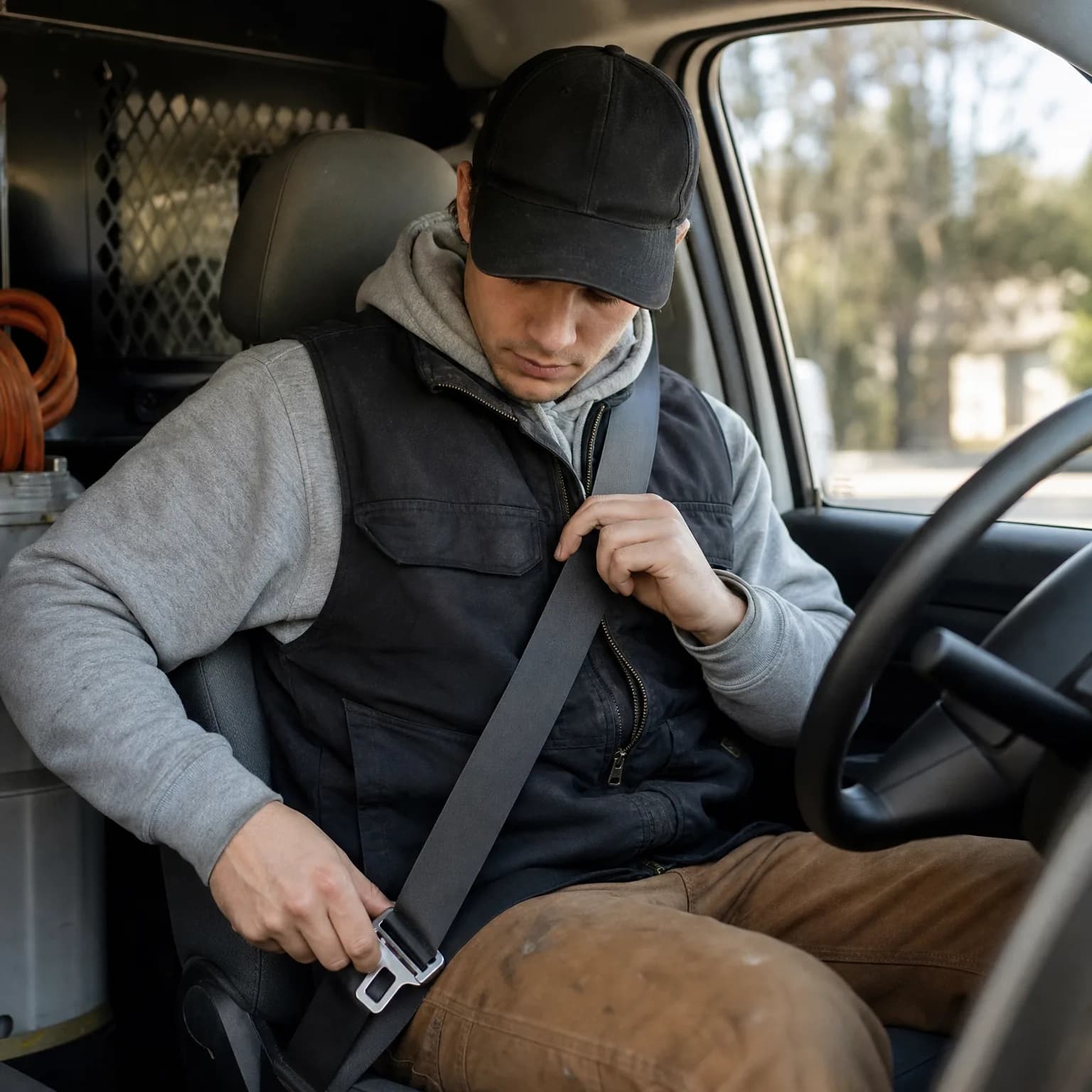
Oklahoma requires ignition interlock installation before you can reinstate a DUI-suspended license. You cannot drive legally—even with SR-22 filed—until the interlock device is installed, calibrated, and reported to DPS by a state-approved vendor. Installation typically takes 1-2 business days after you schedule, and the vendor submits installation confirmation to DPS within 24 hours.
The interlock period runs separately from SR-22 duration. For a first DUI with BAC under 0.15, interlock is required for 18 months if ordered by the court. For BAC 0.15 or higher, or a second DUI, the minimum is 2 years. SR-22 must remain active for 3 years from your reinstatement date, which means if your interlock period is shorter, you'll still carry SR-22 after the device is removed.
Many Tulsa drivers assume they can file SR-22, pay reinstatement fees, and then install interlock. Oklahoma DPS explicitly prohibits this sequence. You must provide proof of interlock installation to DPS as part of the reinstatement application. If you file SR-22 without interlock proof, your application will be marked incomplete and you'll wait another processing cycle.

The Exact Reinstatement Sequence for DUI Suspensions in Oklahoma
Oklahoma's reinstatement process follows a fixed order. First, complete all court-ordered requirements and obtain a certified copy of your completion order from the court clerk. Second, install ignition interlock through a DPS-approved vendor and receive written confirmation of installation. Third, purchase SR-22 insurance from a licensed Oklahoma carrier and confirm the carrier has transmitted the SR-22 filing to DPS electronically.
Once all three records—court clearance, interlock installation, and SR-22 filing—appear in DPS systems, you can submit your reinstatement application. Oklahoma charges a $200 reinstatement fee for DUI suspensions, payable online or at any DPS location. Processing takes 7-10 business days if all documentation is complete. If any element is missing, DPS will reject the application and you start the 7-10 day clock over when you resubmit.
Tulsa drivers often lose time by paying the reinstatement fee before confirming all records are visible in DPS systems. The fee is non-refundable and does not hold your place in the queue. Call the DPS Reinstatement Unit at 405-425-2026 to verify all three records are posted before you pay. This single call eliminates the most common 30-60 day delay.
Why Most Tulsa DUI Carriers Require Six Months Paid in Full Upfront
Oklahoma SR-22 carriers categorize DUI suspensions as high-risk with elevated lapse probability. Most non-standard carriers in Tulsa—including The General, Direct Auto, and Acceptance Insurance—require the first six months of premium paid upfront before they'll file SR-22 with DPS. This is not a down payment; it's six full months of coverage paid at policy inception.
The six-month upfront requirement exists because SR-22 lapses reset your filing clock to zero in Oklahoma. If you miss a payment in month four and your policy cancels, the carrier files an SR-22 cancellation notice with DPS, your license re-suspends, and your three-year SR-22 period starts over from the date you refile. Carriers offset this risk by securing six months of premium before filing, which reduces early lapse rates by approximately 60% industry-wide.
Tulsa DUI rates with SR-22 typically range from $180 to $310 per month for minimum liability coverage. Six months upfront means an initial payment of $1,080 to $1,860. If that upfront cost is prohibitive, consider a non-owner SR-22 policy if you don't currently own a vehicle. Non-owner policies cost $40-$70 per month and satisfy Oklahoma's SR-22 requirement for reinstatement, though you cannot drive any vehicle until you also have standard auto insurance.

Line Up Coverage Before Your License Comes Back
Get Back on the Road
What Happens If You Move Out of Oklahoma Before Your SR-22 Period Ends
Oklahoma's three-year SR-22 requirement follows you if you move to another state, but the new state determines whether they'll accept Oklahoma's filing or require you to refile under their rules. Forty-nine states recognize SR-22 filings, but each state enforces its own duration and filing requirements. If you move to a state with a shorter mandatory period, you're still bound by Oklahoma's three-year term because the suspension originated in Oklahoma.
You must notify your Oklahoma SR-22 carrier within 30 days of moving and update your policy to reflect your new state of residence. Most carriers will not transfer an SR-22 policy across state lines; they'll cancel your Oklahoma policy and you'll need to purchase a new policy in your new state, then have that carrier file SR-22 with both your new state's DMV and Oklahoma DPS. If there's any gap in SR-22 coverage during the transition, Oklahoma treats it as a lapse and resets your filing clock.
Tulsa drivers relocating to Texas, Kansas, or Arkansas should confirm the new state's SR-22 requirements before canceling Oklahoma coverage. Texas does not require SR-22 for out-of-state DUI convictions unless you're convicted in Texas. Kansas accepts Oklahoma SR-22 filings but requires you to register your vehicle in Kansas within 60 days. Arkansas requires its own in-state SR-22 filing and will not accept an out-of-state certificate.

How Court Payment Plans Delay Your DPS Reinstatement Eligibility
Tulsa courts allow payment plans for DUI fines, court costs, and victim compensation, but Oklahoma DPS will not show your case as closed until all financial obligations are satisfied in full. If you're on a $200/month payment plan with 18 months remaining, your court clearance will not transmit to DPS, which means you cannot file for reinstatement even if you've completed ADSAC, Victim Impact Panel, and all other program requirements.
The court does not notify DPS of partial payment progress. The clearance notice transmits only when the court clerk processes a zero-balance final order. Some Tulsa drivers pay off 90% of their balance, assume they're eligible to reinstate, and discover their court record still shows an open case. If you're on a payment plan, contact the court clerk to request a payoff balance and confirm the exact date your clearance will process.
Accelerate reinstatement by prioritizing court debt over other obligations if your goal is getting your license back quickly. A $2,500 court balance paid in full today clears within 30-45 days. The same balance on a 12-month plan delays reinstatement by a full year. If refinancing or borrowing is an option, the cost of extended suspension—lost wages, Uber expenses, restricted mobility—typically exceeds the interest cost of early payoff.
Modified Driver License vs Full Reinstatement: What Tulsa DUI Drivers Should Know
Oklahoma offers a Modified Driver License that allows limited driving during your suspension period if you meet eligibility requirements. To qualify, you must have completed at least 30 days of your suspension, installed ignition interlock, filed SR-22, paid a $200 application fee, and received court approval. The MDL restricts driving to work, school, medical appointments, court-ordered programs, and interlock service appointments only.
The MDL does not shorten your suspension or SR-22 period. If you're suspended for one year and receive an MDL after 30 days, you'll drive under MDL restrictions for 11 months, then apply for full reinstatement. The three-year SR-22 period begins on the date of full reinstatement, not the MDL issuance date, which means you're carrying SR-22 longer than if you waited out the suspension without an MDL.
Most Tulsa DUI attorneys recommend the MDL route if employment is at risk, but it adds $200 upfront plus the ongoing cost of interlock rental ($75-$100/month) during the restricted period. If your suspension is six months or less and you have alternative transportation, waiting for full reinstatement is often cheaper and results in a shorter total SR-22 obligation. Calculate both paths before applying.
Frequently Asked Questions
Can I file SR-22 before completing my DUI court requirements in Oklahoma?
You can purchase SR-22 insurance and your carrier will file it with DPS, but Oklahoma DPS will not process or activate the SR-22 until your court records show all requirements completed. The SR-22 sits in pending status until court clearance transmits, which typically takes 30-45 days after your final program completion.
How long does ignition interlock stay on my vehicle after a Tulsa DUI?
Oklahoma requires ignition interlock for 18 months minimum on a first DUI with BAC under 0.15, and 2 years minimum for BAC 0.15 or higher or any subsequent DUI. The court sets the exact term at sentencing. Your SR-22 requirement runs for 3 years from reinstatement, which extends beyond your interlock period in most cases.
What happens to my SR-22 requirement if I move to Texas from Tulsa?
Oklahoma's three-year SR-22 requirement continues even after you move. Texas does not require SR-22 for out-of-state DUI convictions, but you must maintain continuous SR-22 coverage filed with Oklahoma DPS for the full three years or Oklahoma will issue a new suspension. Cancel your Oklahoma policy only after confirming your new carrier has filed SR-22 in both states.
Does Oklahoma's Modified Driver License reduce my SR-22 filing period?
No. The MDL allows restricted driving during suspension but does not shorten your suspension or SR-22 period. Your three-year SR-22 obligation begins on the date of full reinstatement, not when you receive the MDL, which means you carry SR-22 longer if you use the MDL option.
Will DPS process my reinstatement if I'm still on a court payment plan?
No. Oklahoma DPS requires full payment of all court fines, fees, and restitution before processing reinstatement. The court transmits clearance to DPS only when your balance reaches zero. Partial payments do not qualify, even if you've completed all program requirements and filed SR-22.
Related Articles

Oklahoma City DUI Reinstatement: SR-22, Interlock Steps
4/29/2026
Oklahoma CDL DUI Reinstatement: SR-22 Filing Guide
5/3/2026
Oklahoma DUI Reinstatement: Court Clearance & DPS Timing
5/3/2026
Oklahoma DUI Reinstatement for Single Parents: SR-22 Gaps
5/3/2026

Reinstating DUI License in Memphis: SR-22 & Interlock
4/29/2026

Reinstate DUI License in Irving TX: SR-22 & Interlock Steps
4/29/2026