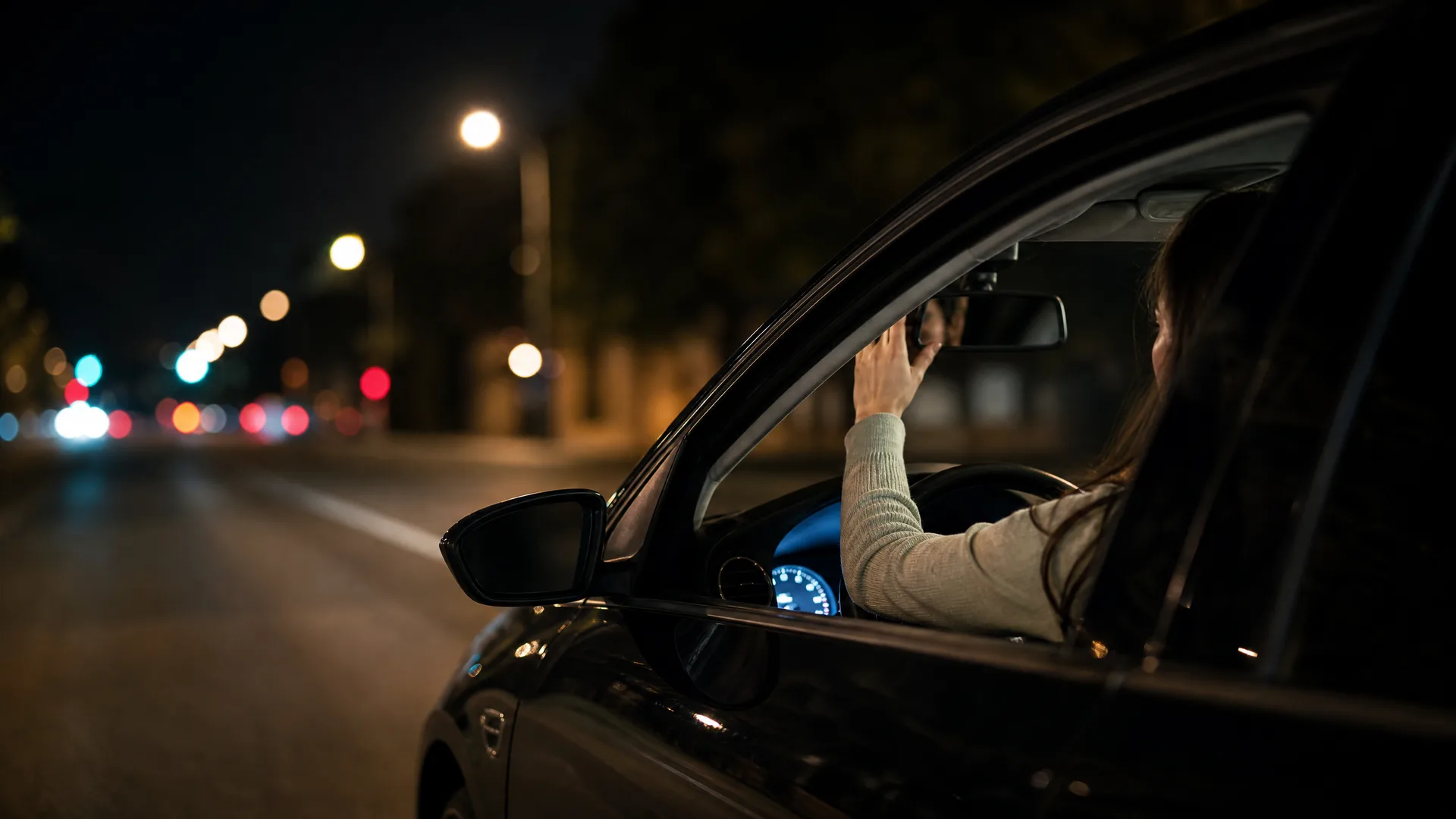
Reinstating Your DUI-Suspended License in Spokane: The Process
Free to compare
Washington Requires Three Separate Actions Before Reinstatement
Washington DOL will not reinstate a DUI-suspended license until three conditions are met simultaneously: proof of SR-22 insurance filed with DOL for five years, ignition interlock device installed and certified, and a court order showing all sentencing requirements completed. The order matters because your five-year SR-22 clock starts when DOL receives the court clearance, not when you file SR-22.
Most Spokane drivers file SR-22 immediately after suspension, install interlock within weeks, then wait months for court conditions like treatment programs or community service to finish. DOL holds the reinstatement application until the court order arrives. If you filed SR-22 in February but didn't complete court requirements until August, your SR-22 obligation runs through August five years later, not February.
Spoleto County District Court processes DUI cases on average within 90 to 120 days from arraignment to sentencing. Probation terms typically add 12 to 24 months of conditions before the court issues final clearance. The interlock requirement runs for at least one year after sentencing for a first DUI, longer for repeat offenses. All three timelines overlap but only the court clearance date triggers reinstatement eligibility.
SR-22 Filing Costs $85 to $140 Per Month With a Spokane DUI
SR-22 is not insurance — it's a state-mandated filing your carrier submits to DOL proving you carry liability coverage. The filing itself costs $25 to $50 once. The rate increase comes from the DUI conviction on your record. Spokane drivers with a first DUI see premiums increase 70% to 130% over pre-violation rates.
Monthly liability premiums after SR-22 filing in Spokane typically range from $85 to $140 for minimum state limits, compared to $50 to $75 before the DUI. Rates vary by carrier, age, vehicle, and prior insurance history. GEICO, Progressive, and The General actively write SR-22 policies in Washington. State Farm and Allstate frequently non-renew after DUI convictions.
Estimates based on available industry data; individual rates vary by driving history, vehicle, coverage selections, and location. Request quotes from at least three carriers because SR-22 pricing spreads are wider than standard auto insurance. Some carriers rate first-offense DUI drivers 90% higher, others 140% higher for identical coverage.
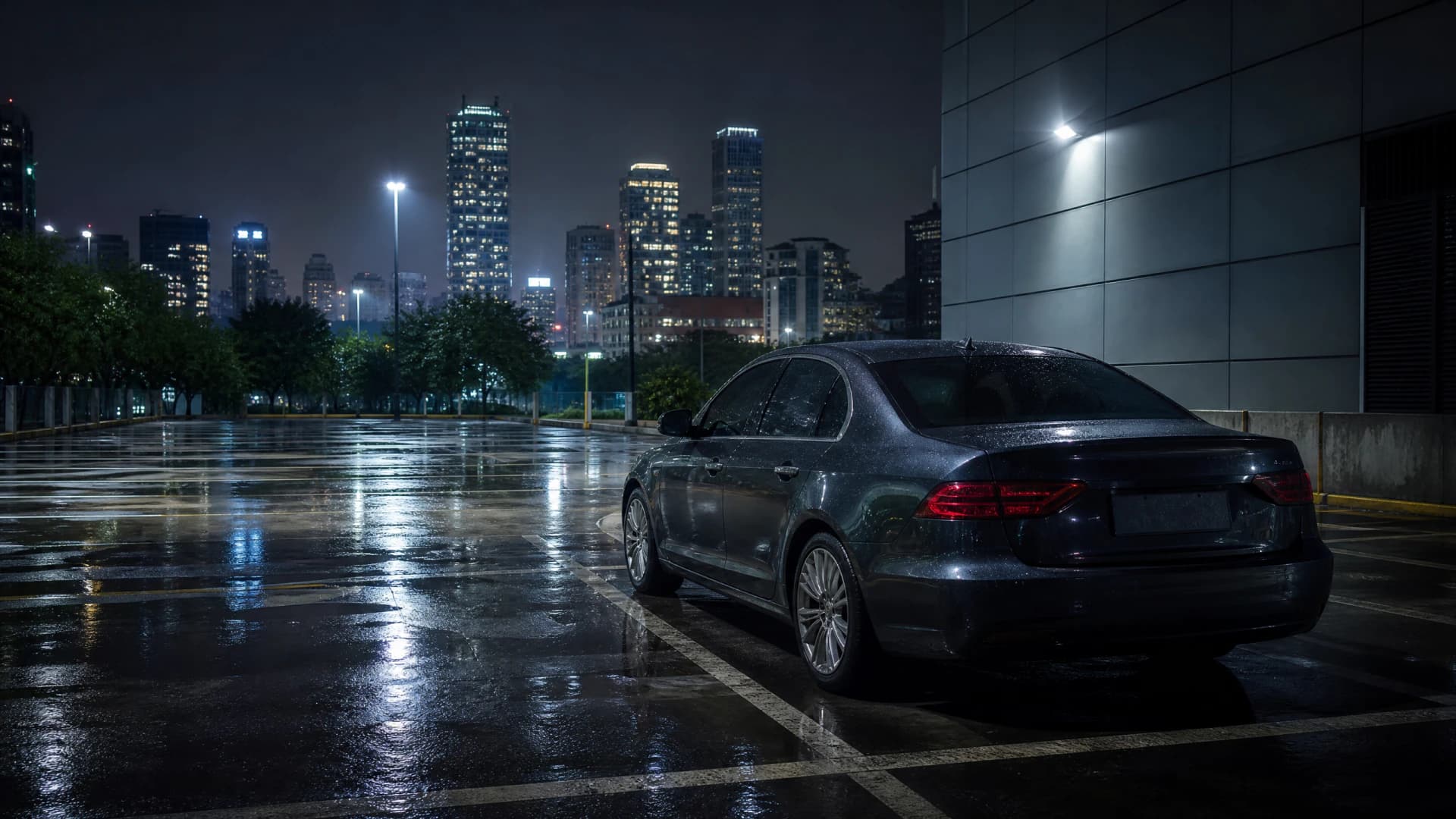

Ignition Interlock Must Be Installed Before Reinstatement and Maintained After
Washington law requires ignition interlock for every DUI conviction, including first offenses. The device must be installed before DOL will process reinstatement and must remain installed for the full period ordered by the court, which is at least one year for a first DUI and longer for repeat offenses or high BAC readings.
Installation costs $100 to $200. Monthly lease and calibration fees run $70 to $100. Total first-year cost is approximately $950 to $1,400. Spokane-area providers include Intoxalock, Smart Start, and LifeSafer. The installer reports compliance directly to DOL. Any violation — failed breath test, missed calibration, tampering attempt — extends your interlock period and may trigger new penalties.
You cannot drive any vehicle without interlock during the required period. If you need to drive a work vehicle, Washington offers an employer exemption that allows interlock-free operation of employer-owned vehicles during work hours only, but personal driving still requires interlock. The exemption does not shorten the overall interlock period.
Court Clearance Takes Longer Than Drivers Expect
Spokane County courts do not automatically issue clearance when you complete DUI sentencing conditions. You or your attorney must file a motion requesting the court certify completion. The court then reviews treatment records, interlock compliance reports, community service verification, and probation officer reports before issuing the order. This process adds two to six weeks after your final condition is satisfied.
DOL will not begin processing reinstatement until the court order is filed electronically with the state. Some attorneys delay filing because they wait for clients to request it. If your probation ended in March but your attorney didn't file clearance until May, your reinstatement is delayed by two months. Ask your attorney to file clearance immediately when conditions are complete.
Once DOL receives court clearance and confirms SR-22 and interlock are both active, reinstatement processing takes 5 to 10 business days. The reinstatement fee is $170. You must pay this in person or online before your license is reissued. Your five-year SR-22 obligation and court-ordered interlock period both run from the clearance date, not the reinstatement payment date.
Line Up Coverage Before Your License Comes Back
Get Back on the Road
Restricted Licenses Are Available During Suspension for Some Drivers
Washington does not offer hardship licenses, but ignition interlock driver's licenses allow limited driving during your suspension period. You can apply for an IID license 30 days after your revocation date if you install interlock and file SR-22. The IID license permits driving to work, school, treatment, interlock service appointments, and court-ordered activities.
The IID license costs $100 and requires SR-22 insurance and proof of interlock installation before issuance. It does not shorten your suspension period or reduce your SR-22 obligation. It allows legal driving during suspension, which is otherwise prohibited in Washington. Driving on a suspended license in Washington is a gross misdemeanor carrying up to 364 days in jail and $5,000 in fines.
Not all drivers qualify for IID licenses. If your DUI involved injury, property damage, or if you have prior DUI convictions within seven years, DOL may deny the application. Approval is not automatic. File your application as soon as you install interlock and SR-22 to minimize the no-driving period.
SR-22 Lapses Reset Your Five-Year Clock to Zero
If your SR-22 insurance lapses for any reason — non-payment, policy cancellation, switching carriers without ensuring continuous filing — your carrier notifies DOL within 24 hours. DOL immediately re-suspends your license and restarts your five-year SR-22 requirement from the date you refile. A one-day lapse costs you five years.
Carriers cancel SR-22 policies for the same reasons they cancel standard policies: non-payment, fraud, too many claims. High-risk carriers are more likely to non-renew at the six-month or 12-month mark if your driving record worsens or if you file claims. Always confirm your new carrier files SR-22 with DOL before canceling your old policy. The gap between cancellation and new filing cannot exceed one day.
DOL does not send courtesy reminders before SR-22 lapses. You are responsible for monitoring your policy status. If you receive a cancellation notice from your carrier, you have until the cancellation effective date to secure new coverage and file SR-22. Missing that deadline restarts your clock.
Non-Owner SR-22 Policies Work for Drivers Without a Vehicle
If you do not own a vehicle but need SR-22 to satisfy reinstatement requirements, a non-owner SR-22 policy meets Washington DOL requirements. Non-owner policies provide liability coverage when you drive vehicles you do not own — borrowed cars, rentals, or vehicles driven for work.
Non-owner SR-22 policies cost $30 to $60 per month in Spokane after a DUI, significantly less than standard auto policies. Progressive, The General, and Dairyland actively write non-owner SR-22 in Washington. The policy includes the SR-22 filing and satisfies DOL's continuous insurance requirement during your five-year obligation.
Non-owner policies do not cover vehicles you own, lease, or have regular access to. If you live with someone who owns a car and you drive it regularly, you need a standard policy with SR-22, not a non-owner policy. Misrepresenting vehicle access to obtain cheaper non-owner coverage is fraud and gives the carrier grounds to cancel, which triggers SR-22 lapse and license re-suspension.
Frequently Asked Questions
How long does SR-22 filing last after a DUI in Washington?
Washington requires SR-22 filing for five years after DUI conviction. The five-year period starts when DOL receives court clearance showing all sentencing conditions completed, not when you first file SR-22. Any lapse in SR-22 during the five-year period resets the clock to zero from the date you refile.
Can I get a restricted license during DUI suspension in Spokane?
Washington offers ignition interlock driver's licenses that allow limited driving during suspension. You can apply 30 days after revocation if you install interlock and file SR-22. The IID license permits driving to work, school, treatment, and court-ordered activities but does not shorten your suspension or SR-22 requirement.
What happens if my SR-22 insurance is cancelled in Washington?
Your carrier notifies DOL within 24 hours of cancellation. DOL immediately re-suspends your license and restarts your five-year SR-22 requirement from the date you refile, even if the lapse is one day. You must secure new SR-22 coverage before the cancellation effective date to avoid restarting the clock.
How much does ignition interlock cost in Spokane?
Installation costs $100 to $200. Monthly lease and calibration run $70 to $100. Total first-year cost is approximately $950 to $1,400. Washington requires interlock for at least one year after a first DUI, longer for repeat offenses, and the device must remain installed during the full court-ordered period.
Do I need SR-22 if I don't own a car after a DUI in Washington?
Washington requires SR-22 filing for five years after DUI regardless of vehicle ownership. A non-owner SR-22 policy satisfies this requirement and costs $30 to $60 per month in Spokane. The policy provides liability coverage when you drive vehicles you do not own and includes the required SR-22 filing.
Related Articles
Reinstate DUI License Seattle: SR-22, Interlock & Court Steps
4/29/2026
Reinstate DUI License Tacoma: SR-22 & Interlock Steps
4/29/2026
Spokane Suspended License Reinstatement: SR-22 & DOL Steps
4/29/2026
WA DUI Reinstatement Costs for College Students
5/3/2026
Reinstating a DUI License in Portland: SR-22 & Interlock
4/29/2026
Reinstate License After DUI in Boise: SR-22 & Timeline
4/29/2026