
Reinstating Your DUI License in Reno: Timeline, SR-22, and Interlock
Free to compare
When Your Nevada DUI Suspension Actually Ends
Nevada's DUI suspension runs for 185 days from your arrest date for a first offense, but your eligibility to reinstate depends on completing three separate requirements that each operate on different calendars. The DMV revocation period, the court-ordered SR-22 filing period, and the ignition interlock installation requirement all start counting from different dates—arrest, conviction, or reinstatement—which creates gaps most drivers don't anticipate.
Your license becomes eligible for reinstatement 185 days after arrest for a first DUI, but only if you've already installed an ignition interlock device, filed SR-22 proof of insurance, and paid the $121 reinstatement fee to Nevada DMV. If any of those three pieces is missing on day 185, your eligibility window opens but you can't actually drive legally until all requirements are satisfied.
Reno drivers typically lose an additional 30–60 days of driving time after their suspension technically ends because they wait until day 180 to start the SR-22 and interlock process. Installing the device takes 5–10 business days from appointment to calibration, and SR-22 filing can take 3–7 days to process through DMV systems, meaning you need to begin both at least two weeks before your suspension end date to drive legally on day 186.

How SR-22 Filing Timing Works With Your Reno DUI
Nevada requires SR-22 filing for 3 years following a DUI conviction, but the 3-year clock starts from the date your SR-22 is filed with the DMV, not your arrest or conviction date. If you're arrested in January, convicted in April, and don't file SR-22 until June, your 3-year requirement runs until June three years later—not January or April.
Most Reno DUI defendants file SR-22 during the suspension period to avoid delays at reinstatement, which means the 3-year clock is already running while you're not driving. Filing SR-22 on day 1 of your suspension means you complete 6 months of the requirement before you're even eligible to drive again. Waiting until reinstatement to file SR-22 adds the full 3-year period after you get your license back.
Nevada DMV receives electronic SR-22 filing within 24–72 hours when submitted by your insurance carrier, but manual processing on the DMV side can take an additional 3–5 business days before the filing shows as active in their system. If you're planning to reinstate on a specific date, your carrier should file SR-22 at least 7 business days prior to ensure DMV records reflect compliance when you appear for reinstatement.

Ignition Interlock Installation Requirements in Washoe County
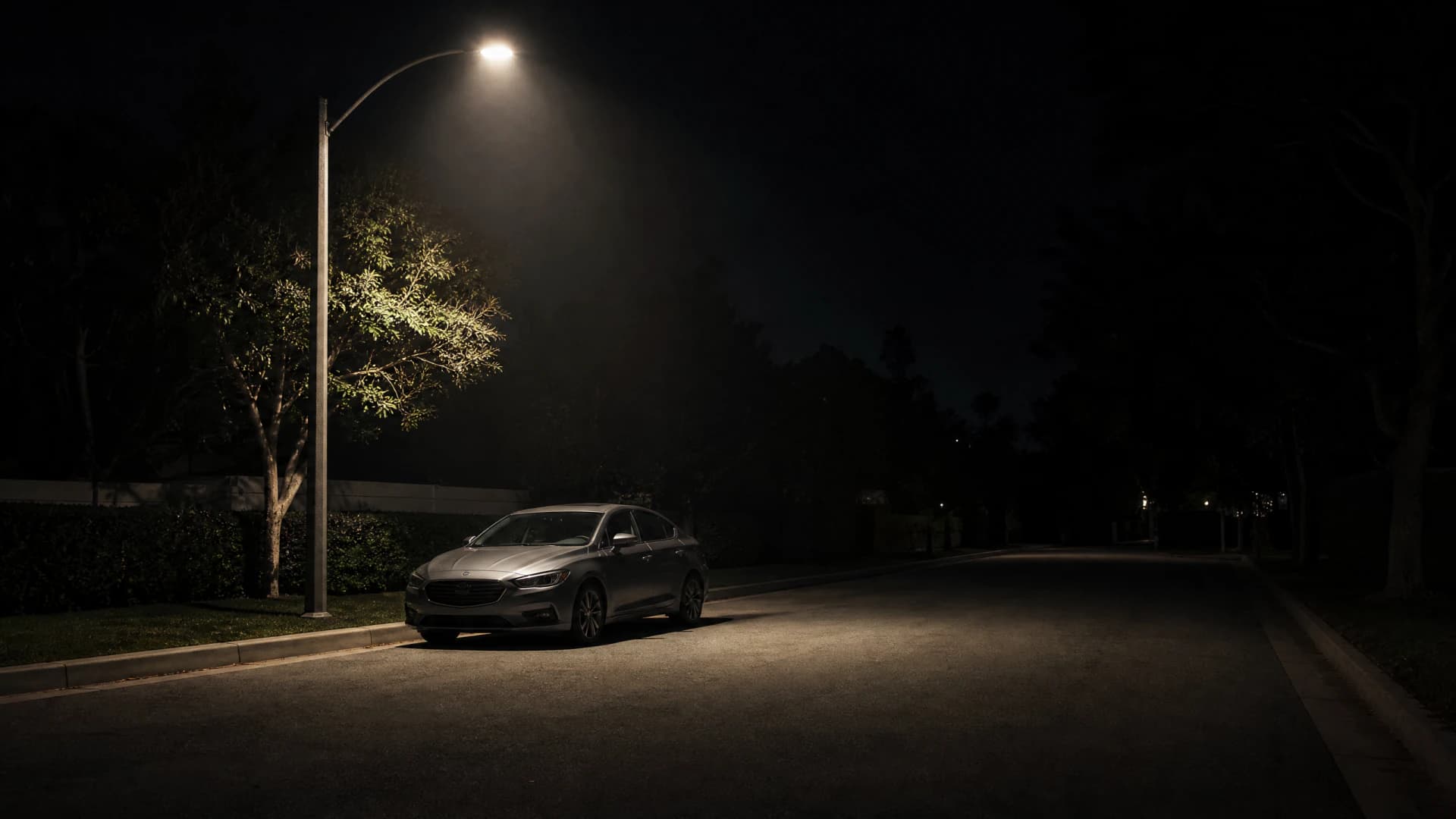
Nevada law requires ignition interlock installation for a minimum of 185 days following a first DUI conviction, with the clock starting from the date you actually install the device, not the date you're approved or the date of conviction. Reno courts typically issue the interlock order at sentencing, but you don't receive credit toward the 185-day requirement until a state-approved vendor installs the device and files confirmation with Nevada DMV.
Washoe County has four state-approved interlock vendors with Reno locations: LifeSafer, Smart Start, Intoxalock, and Guardian Interlock. Installation appointments typically run 1–2 weeks out during high-volume periods (January, post-holiday enforcement months), and the physical installation takes 60–90 minutes. Monthly calibration appointments are required every 30 days and cost $75–$100 per visit, separate from the initial installation fee of $100–$150.
Your interlock requirement runs parallel to, not concurrent with, your license suspension, which creates a coordination problem most Reno DUI defendants miss. If you install the device on day 1 of your suspension, you satisfy the 185-day interlock requirement on the same day your license becomes eligible for reinstatement. If you wait until day 185 to install, you add another 185 days of restricted driving after reinstatement before the device can be removed.

Line Up Coverage Before Your License Comes Back
Get Back on the RoadWhat Reno Courts Require Before DMV Reinstatement
Washoe County courts issue a separate order of reinstatement that must be filed with Nevada DMV before your driving privileges are restored, even after the 185-day suspension ends. This court clearance confirms you've completed DUI school, paid all court fines, and satisfied any jail or community service requirements ordered at sentencing. The court does not automatically send this clearance to DMV—you must request it from the Washoe County District Court clerk and file it yourself.
Reno DUI defendants typically wait 10–15 business days for the court to process a reinstatement order request after final compliance is documented. If your DUI school completion certificate was filed on day 170 of your suspension, the court clearance may not be ready until day 185 or later, which delays reinstatement even if your SR-22 and interlock are already in place.
Nevada DMV requires four documents at reinstatement for a Reno DUI case: proof of SR-22 insurance filing, ignition interlock installation confirmation from your vendor, court clearance order from Washoe County, and payment of the $121 reinstatement fee. Missing any single document means you leave without a valid license, and rescheduling a DMV appointment in Reno currently runs 7–14 days out for reinstatement-specific appointments.

How SR-22 Insurance Costs Change During and After Suspension
SR-22 insurance in Reno after a DUI typically costs $150–$280 per month for state minimum liability coverage, compared to $85–$140 per month for the same driver before the violation. The filing itself adds a one-time fee of $15–$50 depending on carrier, but the rate increase comes from the DUI conviction being applied to your risk profile, not the SR-22 requirement.
Non-owner SR-22 policies cost $40–$90 per month in Nevada and satisfy the state's proof of insurance requirement if you don't own a vehicle during suspension. This option works for Reno drivers who sold their car after arrest or who plan to use public transportation or rideshare during the 3-year SR-22 period. Switching from non-owner to standard auto policy later does not reset your SR-22 clock as long as there's no coverage gap.
Rates typically decrease 15–25% after the first year of SR-22 filing if no additional violations occur, and drop another 10–15% in year two. The most significant rate reduction happens when the SR-22 requirement ends after 3 years and the DUI conviction ages past the 5-year lookback window most carriers use for underwriting. Reno drivers with a single DUI and clean record afterward generally return to near-standard rates 5–6 years from conviction date.

What Happens If You Miss Interlock Calibration in Nevada
Missing a required monthly interlock calibration in Nevada triggers a lockout period where the device allows a limited number of engine starts (typically 5–7) before refusing to start the vehicle entirely. The lockout countdown appears on the device screen and counts down with each ignition cycle, giving you time to schedule an emergency calibration before you're stranded.
Nevada DMV receives automatic violation reports from interlock vendors when calibration windows are missed, when tampering is detected, or when failed breath tests exceed the threshold set by your court order. A single missed calibration typically generates a warning letter, but two missed appointments within a 60-day period can result in an extension of your interlock requirement by an additional 185 days.
Reno drivers who know they'll miss a scheduled calibration should contact their interlock vendor immediately to request an early appointment or same-week makeup slot. Most vendors allow one grace period calibration per year without reporting to DMV, but this is vendor-specific and not guaranteed by Nevada law. Proactive rescheduling before the violation is recorded gives you the best chance of avoiding an extension to your reinstatement timeline.
Frequently Asked Questions
Can I get a restricted license in Nevada during my DUI suspension?
Nevada does not offer hardship or restricted licenses during the mandatory 185-day DUI suspension for first offenses. You cannot drive at all during this period, even with an ignition interlock installed. The interlock requirement begins after reinstatement, not during suspension.
Does installing the ignition interlock early shorten my suspension?
No, installing the device during your suspension does not reduce the 185-day revocation period, but it does allow the 185-day interlock requirement to run concurrently with your suspension. This strategy means the device can be removed on the same day you reinstate if you install on day 1 of suspension.
What happens if my SR-22 insurance lapses during the 3-year requirement?
Nevada DMV will suspend your license immediately if your carrier cancels your SR-22 filing or notifies DMV of a lapse. Reinstatement after an SR-22 lapse requires refiling, paying a new reinstatement fee, and restarting the 3-year SR-22 clock from the date of the new filing.
Can I use an out-of-state ignition interlock vendor if I move from Reno?
Yes, but you must transfer to a state-approved vendor in your new state and notify Nevada DMV of the transfer within 10 days. The 185-day requirement continues in the new state, but calibration and reporting standards vary, so confirm your new vendor reports to Nevada DMV correctly.
Related Articles
Reinstate DUI License in Las Vegas: SR-22 & Interlock
4/29/2026
Reinstate DUI License North Las Vegas: SR-22 & Interlock
4/29/2026

Henderson DUI Reinstatement: SR-22 & Interlock Timeline
4/29/2026
Nevada DUI Reinstatement: Court-DMV Timing Gap
5/3/2026

Reinstate Suspended License in Reno: SR-22 & DMV Process
4/29/2026

Nevada CDL DUI Reinstatement: SR-22 Timing & Lapse Gaps
5/3/2026