Reinstating a DUI License in Minneapolis: SR-22 and Interlock Steps
Free to compare
Minnesota reinstatement requires ignition interlock installation before SR-22 filing
Minnesota DVS will not process your license reinstatement until you complete three actions in this exact order: obtain court clearance, install and calibrate a state-certified ignition interlock device, then file SR-22 proof of insurance showing continuous coverage.
Most suspended drivers assume SR-22 comes first. It doesn't. Minnesota Statutes 171.306 requires interlock device installation and the first successful calibration report before DVS will accept your SR-22 certificate. If you file SR-22 before installing the device, DVS holds your application in pending status until the interlock compliance letter arrives. That delay typically adds 2-3 weeks to your reinstatement timeline.
The interlock installation requirement applies to all DWI-related suspensions in Minnesota, including first-offense DWI if your BAC measured 0.16 or higher, or if you refused chemical testing. Second and subsequent DWI offenses require interlock regardless of BAC level. The device monitors every ignition attempt and transmits monthly compliance reports directly to DVS. One failed startup or missed calibration appointment triggers a violation notice and can extend your required interlock period by 30-90 days.
What court clearance means and how to confirm you have it
Court clearance means Hennepin County District Court or the county where your DWI conviction occurred has confirmed you completed all sentencing requirements: fines, chemical dependency assessments, victim impact panels, community service hours, and probation terms. You cannot begin the DVS reinstatement process until the court releases a clearance letter.
Request your clearance letter from the court administrator's office where your case was heard. Hennepin County processes clearance requests within 5-7 business days if your file shows zero outstanding obligations. Anoka, Dakota, and Washington counties typically process within 3-5 days. If you owe outstanding fines or missed a required assessment, the court will not issue clearance until you resolve the deficiency.
Do not assume probation completion equals court clearance. Your probation officer closes your supervision file, but the court maintains a separate financial and compliance record. Verify clearance status directly with the court clerk before scheduling interlock installation. DVS will reject your reinstatement application if the court clearance date postdates your SR-22 filing date.

How ignition interlock installation works in Minneapolis and required calibration schedule
Minnesota certifies eight ignition interlock providers statewide. In Minneapolis, LifeSafer, Intoxalock, and Smart Start operate installation centers within city limits with same-week or next-day appointments. Installation costs $75-$125, and monthly lease fees run $65-$85 plus calibration charges of $15-$25 every 30-60 days depending on your violation history.
The device connects to your vehicle's ignition system and requires a breath sample before the engine starts. If the device detects a BAC above 0.02, the ignition locks and the failed attempt appears on your compliance record transmitted to DVS. You must return for in-person calibration every 30 days for the first six months of your interlock period, then every 60 days if your record shows zero violations.
DVS receives your interlock compliance data electronically within 48 hours of installation. Once the system confirms your device is active and calibrated, you can proceed to SR-22 filing. Do not file SR-22 before receiving confirmation from your interlock provider that your first calibration report transmitted successfully to DVS. Filing early does not speed up the process — it only creates a documentation mismatch DVS must manually resolve.

Line Up Coverage Before Your License Comes Back
Get Back on the RoadSR-22 filing after interlock installation: carrier options and timing requirements
SR-22 is not a separate insurance policy. It is a certificate your auto insurance carrier files electronically with Minnesota DVS confirming you carry continuous liability coverage meeting state minimums: $30,000 per person, $60,000 per accident for bodily injury, and $10,000 for property damage. The filing itself costs $25-$50 depending on carrier.
Not all carriers write policies for drivers with DWI suspensions. Progressive, The General, Bristol West, and Dairyland accept high-risk Minnesota drivers and file SR-22 electronically within 24-48 hours of policy purchase. State Farm and Allstate may decline to renew your policy after a DWI conviction, but they will file SR-22 if you already hold an active policy with them. GEICO and Farmers evaluate case-by-case and often require 3-5 years since conviction before accepting new high-risk applicants.
Your SR-22 filing must remain active for the full duration of your interlock requirement plus one additional year. Minnesota requires 1-6 years of SR-22 depending on offense count and BAC level. A first-offense DWI with BAC under 0.16 requires one year of SR-22. BAC over 0.16 or refusal requires two years. Second offense requires three years. Any lapse in coverage — even one day — resets your SR-22 clock to zero and triggers an immediate license re-suspension.
Coordinating DVS reinstatement application and what happens if you miss a step
Once you have court clearance, active interlock installation, and SR-22 on file, schedule your DVS reinstatement appointment online or at any Driver and Vehicle Services office in the metro. Bring your court clearance letter, interlock provider lease agreement, SR-22 filing confirmation, and payment for the $680 reinstatement fee. Hennepin County DVS offices in downtown Minneapolis and Southdale process reinstatements same-day if your file shows all three compliance items.
DVS reviews your submission in this order: court clearance date, interlock installation date, SR-22 effective date. If any date is out of sequence, DVS returns your application and instructs you to refile once the documentation aligns. Most delays occur when drivers file SR-22 before interlock calibration data reaches DVS, or when court clearance is dated after SR-22 was purchased. Each resubmission adds 7-10 business days to your reinstatement timeline.
If you skip the interlock requirement entirely, DVS will not process your reinstatement even if SR-22 is active. Minnesota law makes interlock non-negotiable for DWI offenses. Attempting to reinstate without the device triggers an automatic denial and extends your suspension period by the remaining length of your original interlock requirement. There is no hardship waiver for interlock in Minnesota except for documented medical conditions preventing breath sample collection, and those cases require a physician affidavit and alternative monitoring arrangement approved by DVS before reinstatement.
What B-card restricted licenses allow during your interlock period
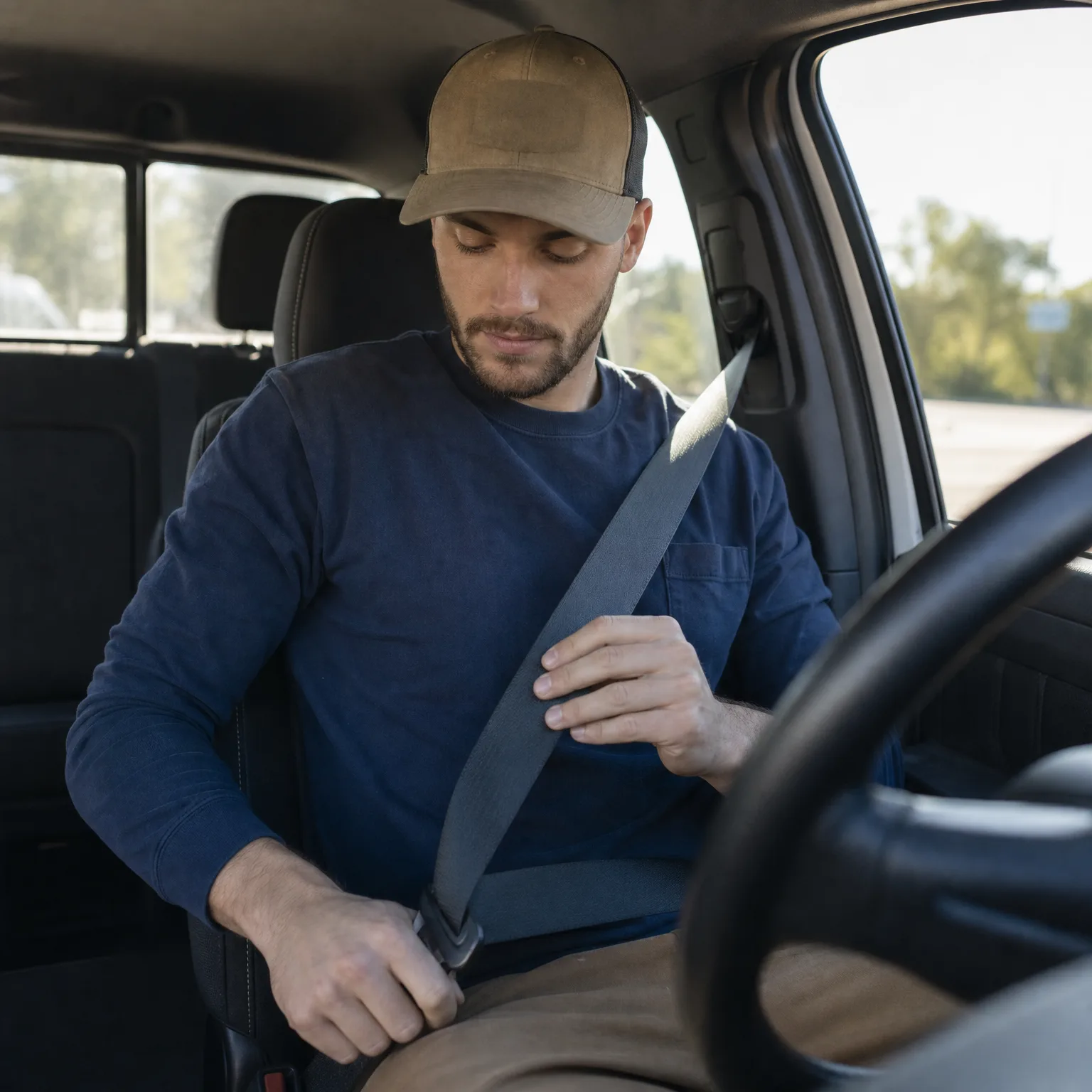
Minnesota issues B-card restricted licenses to DWI offenders who complete court clearance and install an interlock device but have not yet finished their full suspension period. The B-card allows you to drive any vehicle equipped with a certified interlock device to and from work, school, medical appointments, chemical dependency treatment, and interlock calibration appointments.
You apply for a B-card at the same DVS appointment where you submit reinstatement documents. The application fee is included in the $680 reinstatement cost. DVS issues the B-card immediately if your interlock is active and SR-22 is filed. The card remains valid until your suspension period ends and you qualify for full unrestricted license reinstatement.
Driving any vehicle without an interlock device while on B-card status is a misdemeanor in Minnesota and triggers immediate license cancellation plus criminal charges. This includes emergencies, borrowing a friend's car, or operating equipment vehicles at work. Every ignition attempt on your registered interlock vehicle is logged and transmitted to DVS. If DVS detects you drove an unregistered vehicle during your restriction period, your reinstatement is revoked and your suspension clock resets to the original duration.
Frequently Asked Questions
Can I get SR-22 insurance before installing the ignition interlock device in Minnesota?
You can purchase an SR-22 policy before interlock installation, but DVS will not process your reinstatement application until the interlock device is installed, calibrated, and transmitting compliance data. Filing SR-22 early does not speed up reinstatement and may create documentation sequence issues DVS must manually resolve.
How long does ignition interlock stay on my car after a DWI in Minneapolis?
Minnesota requires 1-6 years of interlock depending on your offense count and BAC level. First-offense DWI with BAC under 0.16 requires one year. BAC over 0.16 or test refusal requires two years. Second offense requires three years, and third or subsequent offenses require up to six years.
What happens if I let my SR-22 lapse while on a restricted license in Minnesota?
Any lapse in SR-22 coverage resets your filing requirement to zero and triggers immediate license re-suspension. You must refile SR-22, pay a new reinstatement fee, and restart your required filing period from the date the new SR-22 becomes active.
Does Minnesota allow hardship licenses without ignition interlock for DWI suspensions?
No. Minnesota law makes interlock installation mandatory for all DWI-related suspensions with no hardship waiver except documented medical conditions that prevent breath sample collection. Those cases require physician affidavit and DVS-approved alternative monitoring before reinstatement.
How much does DWI license reinstatement cost in Minneapolis including SR-22 and interlock?
Total first-year cost runs $1,800-$2,400: $680 DVS reinstatement fee, $75-$125 interlock installation, $780-$1,020 annual interlock lease and calibration fees, and $600-$1,200 increase in annual insurance premiums after SR-22 filing. Costs vary by carrier, driving history, and vehicle type.
Related Articles
Reinstate DUI License in St. Paul: SR-22 & Interlock
4/29/2026
Reinstate DUI License in Denver: SR-22 & Interlock Steps
4/29/2026
MN DUI Reinstatement for Rideshare: SR-22 Filing Order
5/3/2026

MN DUI Reinstatement for Single Parents: SR-22 Timing
5/3/2026
Reinstate DUI License Des Moines: SR-22 & Interlock Steps
4/29/2026
MN CDL DUI Reinstatement: SR-22 Timing & Documentation
5/3/2026