
Reinstating Your DUI-Suspended License in Indianapolis: The Timeline
Free to compare
When Your SR-22 Filing Clock Actually Starts in Indiana
Indiana counts your SR-22 requirement from the conviction date, not the filing date. A DUI conviction triggers a 5-year SR-22 filing requirement under Indiana Code 9-25-4-4, but the BMV won't start counting that 5 years until you complete three steps: reinstate your license through the court system, file your SR-22 with a licensed carrier, and pay the $250 BMV reinstatement fee.
Most Indianapolis drivers file SR-22 immediately after their suspension notice arrives, assuming this starts the clock. It doesn't. The BMV processing system requires a completed reinstatement petition from the court before it will accept SR-22 filing as valid. If you file SR-22 on day 30 of your suspension but don't complete your court petition until day 120, the BMV counts from day 120.
This timing gap costs drivers an average of $600–$900 in premiums paid for coverage the state isn't yet counting toward their 5-year requirement. The solution: coordinate your SR-22 filing date with your expected court reinstatement date, not your suspension start date.
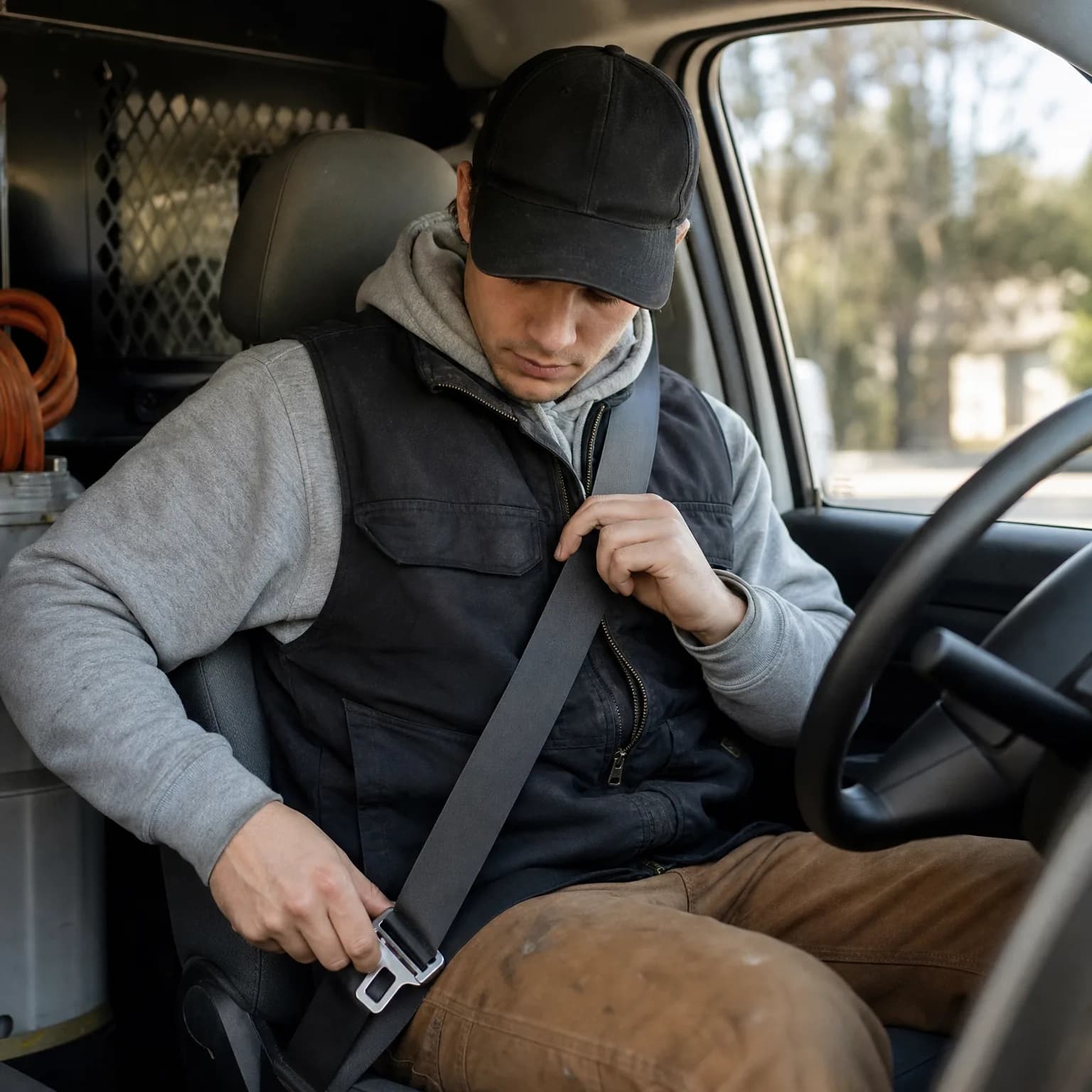
Indianapolis DUI Reinstatement: Court Petition Before SR-22
Marion County Courts require a formal reinstatement petition for all DUI suspensions. You cannot skip the court step and go directly to the BMV. The petition must include proof of completed substance abuse assessment, proof of enrollment or completion of the court-ordered treatment program, payment of all court fines and fees, and proof of ignition interlock device installation if your BAC was .15 or higher.
The court typically schedules reinstatement hearings 60–90 days after petition filing. If you file SR-22 before this hearing, you're paying for coverage the BMV cannot process yet. Once the court approves your petition, you receive a reinstatement order. Take this order, your SR-22 filing confirmation, and your $250 BMV fee to any Indiana BMV branch. The BMV processes reinstatement the same day if all documents are correct.
Failure mode most drivers miss: the ignition interlock requirement. Indiana requires interlock for all DUI convictions with BAC .15 or higher, and for all second or subsequent DUI convictions regardless of BAC. The court will not approve your reinstatement petition without proof of installation from a state-certified provider. Interlock must remain installed for the duration of your probationary license period, typically 180 days minimum.

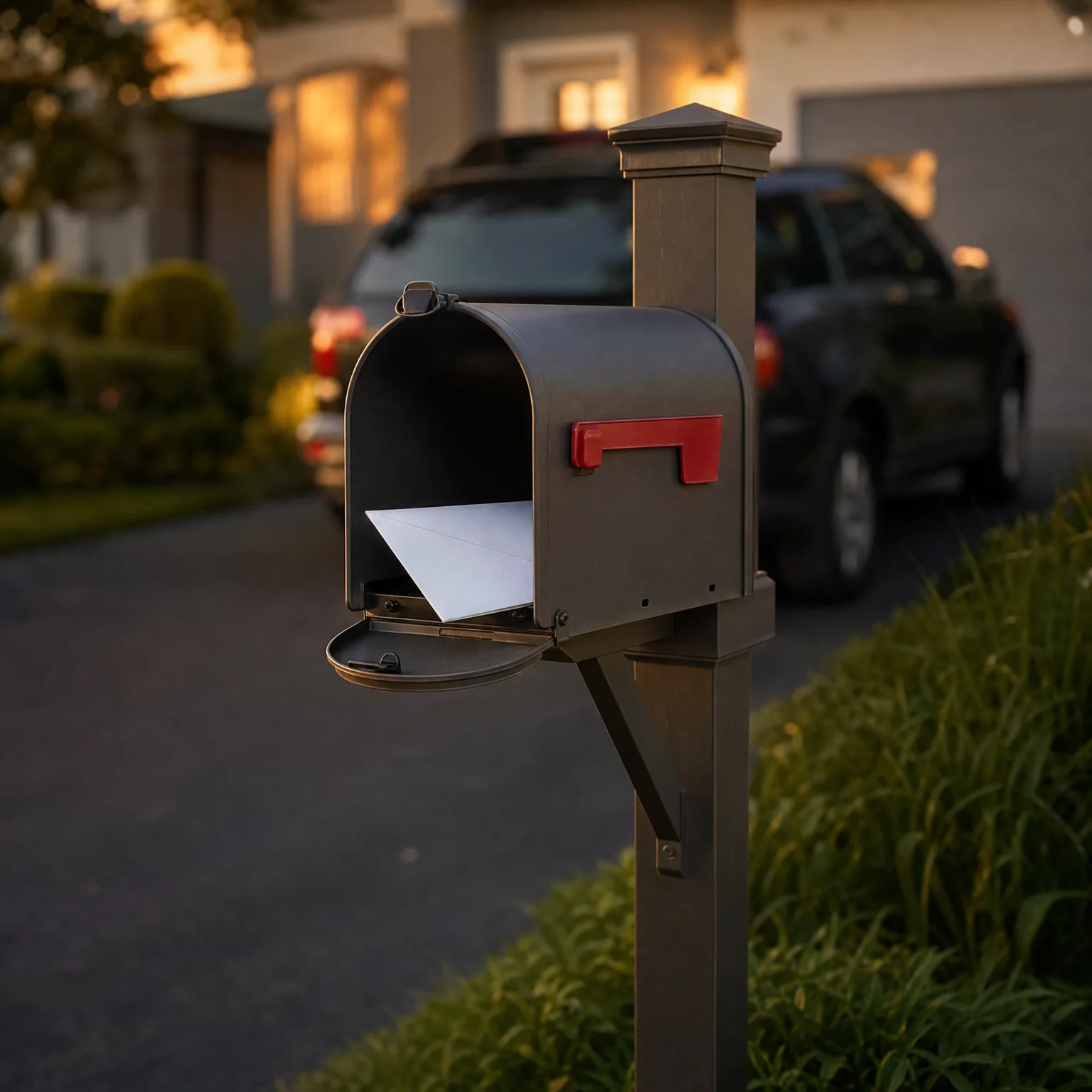
What Ignition Interlock Costs and How It Affects Your Timeline
State-certified ignition interlock providers in Indianapolis charge $75–$125 for installation, $65–$90 per month for monitoring and calibration, and $50–$75 for removal. Total cost for a 180-day probationary period: $600–$900. The device must be calibrated every 30 days or the BMV receives a violation report and suspends your license again.
You can install the device before your reinstatement hearing, but the monitoring period doesn't start until the court approves your petition and the BMV issues your probationary license. Installing early does not shorten your requirement. Wait until your court date is scheduled, then install 7–10 days before the hearing. This gives you proof of installation for the petition without paying months of monitoring fees while suspended.
The interlock provider uploads violation data directly to the BMV. Rolling violations (failed breath tests while driving) trigger automatic 30-day license extensions. Three rolling violations in a 6-month period reset your entire probationary period to day zero. The SR-22 clock keeps running during these extensions — you're paying for SR-22 filing while unable to drive.
How Marion County Courts Coordinate DUI Reinstatement Petitions
Marion County processes DUI reinstatement petitions through the Clerk of Courts at the City-County Building, 200 E Washington St. You file in the same court division that handled your original DUI case. The petition fee is $157. The clerk assigns a hearing date 60–90 days out, but this timeline extends to 120+ days during winter months when case volume peaks.
Bring originals of every required document to the hearing: completed substance abuse assessment with provider's signature and license number, proof of treatment enrollment or completion certificate, ignition interlock installation certificate with device serial number, proof of SR-22 filing with policy effective date, and itemized receipt showing all court fines and fees paid in full. Missing any single document delays your petition by 30–60 days for a rescheduled hearing.
The court's reinstatement order includes your probationary license terms, interlock duration, and SR-22 filing end date. This order is the only document the BMV will accept to begin processing your license reinstatement. Email or faxed copies are not accepted — you must bring the original signed order to the BMV.

Line Up Coverage Before Your License Comes Back
Get Back on the Road
SR-22 Carrier Availability After DUI in Indianapolis
Standard carriers (State Farm, Allstate, Nationwide) typically non-renew policies after DUI conviction. Indianapolis drivers need non-standard carriers willing to write high-risk policies with SR-22 filing. Available carriers include The General, Bristol West, Dairyland, Progressive (non-standard division), and National General.
Monthly premiums for minimum liability coverage with SR-22 in Marion County range from $145–$285 for a single DUI with no other violations. Rates increase to $220–$380 for DUI with BAC .15 or higher, and $260–$450 for second DUI. These rates reflect 6-month policy terms paid monthly. Annual policies reduce per-month cost by 8–12% but require full 6-month payment upfront.
Carriers file SR-22 electronically with the Indiana BMV within 24–48 hours of policy binding. The BMV charges no separate SR-22 filing fee — the $250 reinstatement fee covers all filing and processing. If you cancel your policy or let it lapse at any point during your 5-year requirement, the carrier notifies the BMV within 10 days and your license suspends again immediately with no grace period.

What Happens If You File SR-22 Before Your Court Hearing
You pay for coverage the BMV cannot process. The SR-22 filing sits in pending status until the court issues your reinstatement order. Indiana's system does not backdate SR-22 coverage — your 5-year clock starts the day the BMV processes your completed reinstatement, not the day your carrier filed SR-22.
This creates a 60–120 day gap where you're paying $145–$285 per month for SR-22 coverage that generates zero credit toward your filing requirement. Multiply your monthly premium by 3–4 months to calculate wasted cost. The alternative: coordinate with your court hearing date. Once the hearing is scheduled, bind your SR-22 policy to activate 2–3 days before the hearing. Bring the SR-22 confirmation to court, then take your signed reinstatement order to the BMV the same week.
Some drivers argue early filing demonstrates compliance to the court. Marion County judges review only the documents listed in the reinstatement petition requirements. SR-22 filing date does not affect the judge's decision. File strategically, not early.
Non-Owner SR-22 for Suspended Drivers Without a Vehicle
Indiana allows non-owner SR-22 policies for drivers who don't own a vehicle but need to satisfy BMV filing requirements for reinstatement. Non-owner policies provide liability coverage when you drive a borrowed or rental vehicle. They do not cover a vehicle you own, lease, or regularly use.
Non-owner SR-22 premiums in Indianapolis range from $35–$75 per month for minimum state liability limits (25/50/25). This is 60–75% cheaper than standard SR-22 policies because the carrier assumes lower risk with no owned vehicle. The BMV accepts non-owner SR-22 filing for reinstatement exactly the same as standard SR-22 — there is no distinction in their system.
If you purchase or register a vehicle while holding a non-owner policy, you must switch to a standard policy within 30 days and refile SR-22. Failure to switch triggers a lapse notice to the BMV. Many suspended drivers use non-owner policies for the first 12–24 months of their SR-22 requirement, then switch to standard coverage when they're ready to own a vehicle again.
Frequently Asked Questions
Can I get a hardship license in Indiana while my DUI suspension is active?
Indiana does not offer hardship or restricted licenses during DUI suspensions. You must complete the full suspension period, file your reinstatement petition, attend your court hearing, and obtain probationary license approval before any legal driving is permitted. Driving on a suspended license adds 90 days to your suspension and resets your SR-22 clock.
How long does the Indiana BMV take to process reinstatement after my court hearing?
The BMV processes reinstatement the same day if you bring your signed court order, SR-22 filing confirmation, and $250 reinstatement fee to any branch. Processing takes 15–30 minutes. Your probationary license prints immediately and your SR-22 filing clock starts that day.
What happens if I move out of Indiana during my 5-year SR-22 requirement?
Your SR-22 requirement follows you. You must file SR-22 in your new state and notify the Indiana BMV of your address change. If your new state does not require SR-22 filing, Indiana still requires proof of continuous coverage for the remainder of your 5-year period. Letting coverage lapse in any state triggers suspension in Indiana.
Do I need SR-22 if my DUI suspension was for refusal to submit to a breath test?
Yes. Indiana requires SR-22 filing for all DUI-related suspensions including chemical test refusal under the implied consent law. Refusal suspensions carry the same 5-year SR-22 requirement as BAC-based DUI convictions. The reinstatement process and court petition requirements are identical.
Can I remove my ignition interlock before my SR-22 filing period ends?
Yes, if your probationary period is shorter than your SR-22 requirement. Ignition interlock typically remains installed for 180 days to 2 years depending on your BAC and conviction count. SR-22 filing continues for 5 years regardless. Once your probationary period ends and the court approves removal, the interlock provider uninstalls the device and you continue SR-22 filing without it.
Related Articles

Indiana DUI Reinstatement for Students: SR-22 Timing
5/3/2026
Indiana DUI Reinstatement Timing for College Students
5/3/2026

Indiana CDL DUI Reinstatement: Court and BMV Timing
5/3/2026

Reinstate License After Lapse in Indianapolis: SR-22
4/29/2026
Fort Wayne DUI License Reinstatement: SR-22 & Interlock
4/29/2026

Indiana DUI Reinstatement for Single Parents: SR-22 Rules
5/3/2026