
License Suspended for Child Support in Minneapolis: Steps to Reinstate
Free to compare
Why Minnesota Suspends Licenses for Child Support Arrears
Minnesota statutes authorize county child support agencies to request license suspension when a parent owes at least $1,750 in unpaid support or is three or more months behind on payments. The county files the suspension order with the Minnesota Driver and Vehicle Services (DVS), which then suspends your driving privileges.
Unlike DUI or moving violation suspensions, child support suspensions do not require SR-22 insurance filing for reinstatement. Your insurance obligation is unchanged. You need valid coverage to legally drive once reinstated, but the suspension itself does not trigger a mandatory SR-22 filing period.
The suspension stays active until the county that filed it notifies DVS that you have met the reinstatement conditions. DVS cannot lift the suspension on its own, even if you walk into a driver's license office with proof of payment. The release must come from the county child support office that initiated the suspension.
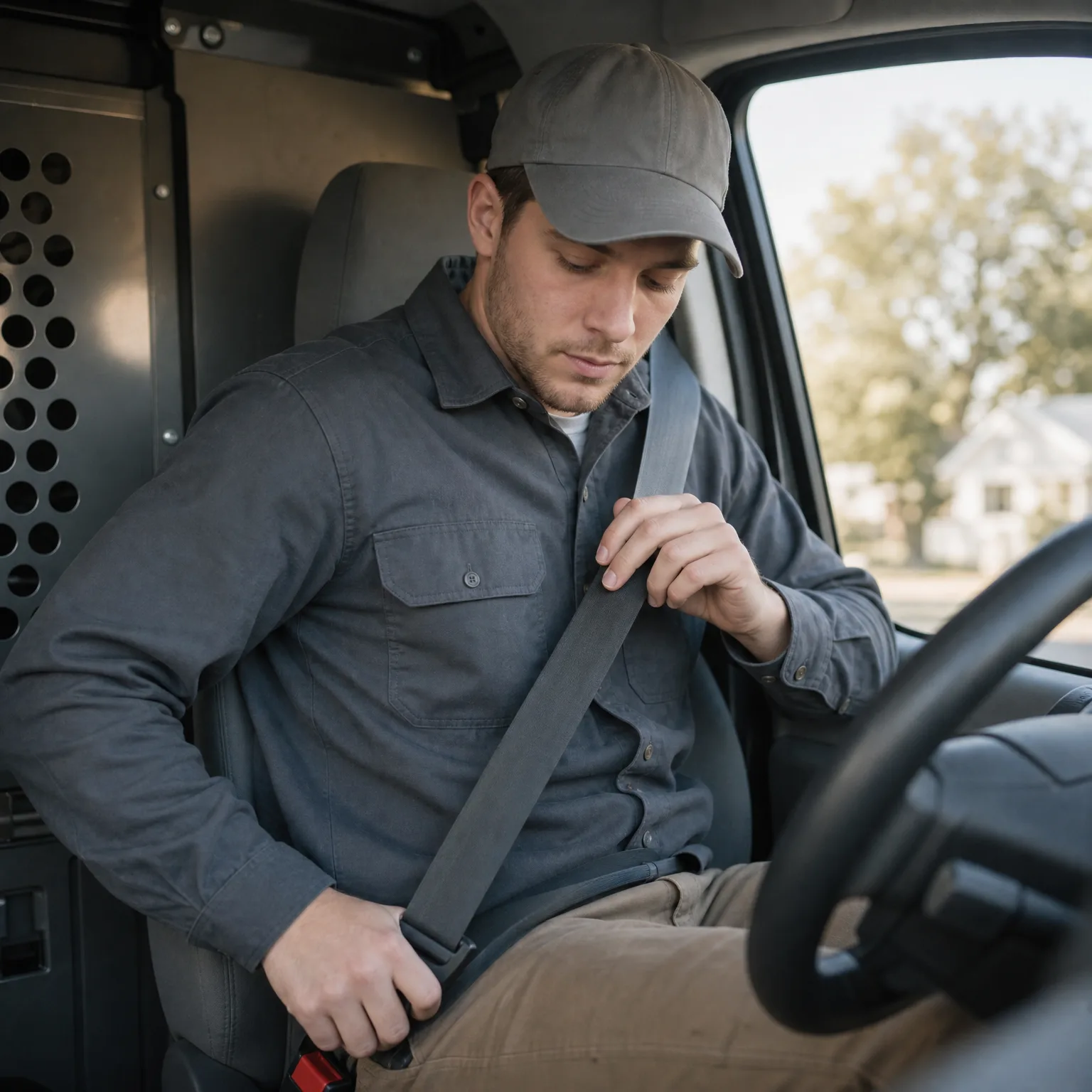
How to Clear the Suspension With Hennepin or Ramsey County Family Court
Most Minneapolis child support suspensions are processed through Hennepin County Child Support Services. Your first contact must be with the county child support office that filed your case, not DVS. Request a compliance review to determine what you owe and what payment will satisfy the release conditions.
Payment options vary by county but typically include: paying the full arrears balance, entering a payment plan that brings you current within 90 days, or demonstrating financial hardship that qualifies for modified payment terms. Once the county accepts your payment or plan, they process a release order and send it to DVS electronically.
The release typically appears in DVS systems within 3-5 business days of county filing. Call the county office to confirm the release was transmitted before attempting to reinstate at DVS. Arriving at DVS without a confirmed release in the system wastes the reinstatement fee and trip.

What DVS Requires After County Issues the Release
Once the county releases the suspension, you must pay a $30 reinstatement fee at any Minnesota DVS office or online through the DVS website. You will also need proof of insurance meeting Minnesota's minimum liability limits: $30,000 bodily injury per person, $60,000 per accident, and $10,000 property damage.
If your license has been expired for more than one year during the suspension, you must retake the written knowledge test before DVS will reinstate. Licenses suspended for less than one year can be reinstated without retesting.
DVS processes the reinstatement immediately once you submit the fee and proof of insurance. You leave the office with a valid license that day, assuming no other holds or suspensions exist on your record.

Line Up Coverage Before Your License Comes Back
Get Back on the RoadCan You Get a Work Permit or Hardship License During Suspension
Minnesota does not offer hardship or occupational licenses for child support suspensions. The state reserves limited licenses for DUI and medical suspensions only. If your license is suspended for unpaid child support, you cannot legally drive until the county releases the suspension and you complete full reinstatement.
Public transit options in Minneapolis include Metro Transit buses and light rail serving downtown, University of Minnesota, and Mall of America routes. Hennepin County also operates Transit Link dial-a-ride service for residents in suburban areas without fixed-route access.
Some drivers without vehicles use this suspension period to maintain insurance through a non-owner policy. This prevents a coverage lapse from appearing on your insurance record, which can increase rates when you reinstate. Non-owner policies cost $25-$50 per month and satisfy Minnesota's insurance requirement without insuring a specific vehicle.

Insurance After Reinstatement: What Changes and What Doesn't
A child support license suspension does not appear on your driving record as a moving violation. It is an administrative action that does not directly affect your insurance rates the way a DUI or at-fault accident does. Your carrier will not receive notification of the suspension unless you volunteer it.
However, if you allowed your insurance to lapse during the suspension, that lapse will trigger a rate increase when you apply for new coverage. Minnesota insurers view any gap in coverage longer than 30 days as high-risk, typically adding 15-30% to your premium for the first policy term.
If you maintained continuous coverage during the suspension, either on a vehicle you still owned or through a non-owner policy, expect no rate change related to the suspension itself. Your rate is determined by your driving record, claims history, coverage selections, and vehicle, none of which are altered by a child support suspension.

Timeline From Payment to Driving Legally
The fastest reinstatement path takes 5-7 business days: 1-2 days for the county to process your payment and file the release with DVS, 3-5 days for the release to appear in DVS systems, and same-day reinstatement once you visit DVS with fee and proof of insurance.
Delays occur when drivers contact DVS before the county has filed the release, or when the county office is backlogged processing release orders. Hennepin County advises calling their suspension unit at 612-348-5400 to confirm the release was transmitted before scheduling your DVS appointment.
Once your license is reinstated, you are legal to drive immediately. Minnesota does not impose a post-reinstatement monitoring period or additional filing requirements for child support suspensions. Your driving privileges are fully restored the moment DVS processes the reinstatement.
Frequently Asked Questions
Does a child support license suspension in Minnesota require SR-22 insurance?
No. Minnesota child support suspensions are administrative actions that do not require SR-22 filing. You need valid liability insurance to reinstate and drive legally, but the state does not mandate SR-22 certification for child support suspensions.
How long does it take to reinstate a Minnesota license after paying child support arrears?
The county child support office typically transmits the release to DVS within 3-5 business days of accepting payment. Once the release appears in DVS systems, you can reinstate same-day by paying the $30 fee and showing proof of insurance.
Can I get a work permit if my license is suspended for child support in Minnesota?
No. Minnesota does not issue hardship or occupational licenses for child support suspensions. You cannot legally drive until the county releases the suspension and you complete full reinstatement through DVS.
Will a child support suspension increase my car insurance rates in Minnesota?
The suspension itself does not increase rates because it is not a moving violation. However, if you let your insurance lapse during the suspension, that coverage gap will typically add 15-30% to your premium when you reapply.
Related Articles
St. Paul License Suspended for Child Support: Reinstate
4/29/2026

MN Child Support Suspension: Reinstatement Process
5/3/2026
MN Child Support License Reinstatement After Arrears
5/3/2026

MN Child Support Reinstatement Costs: Full Fee Stack
5/3/2026
MN Child Support Reinstatement Costs & Real Fees
5/3/2026

MN Child Support Suspension: CDL & Insurance Lapse Rules
5/3/2026