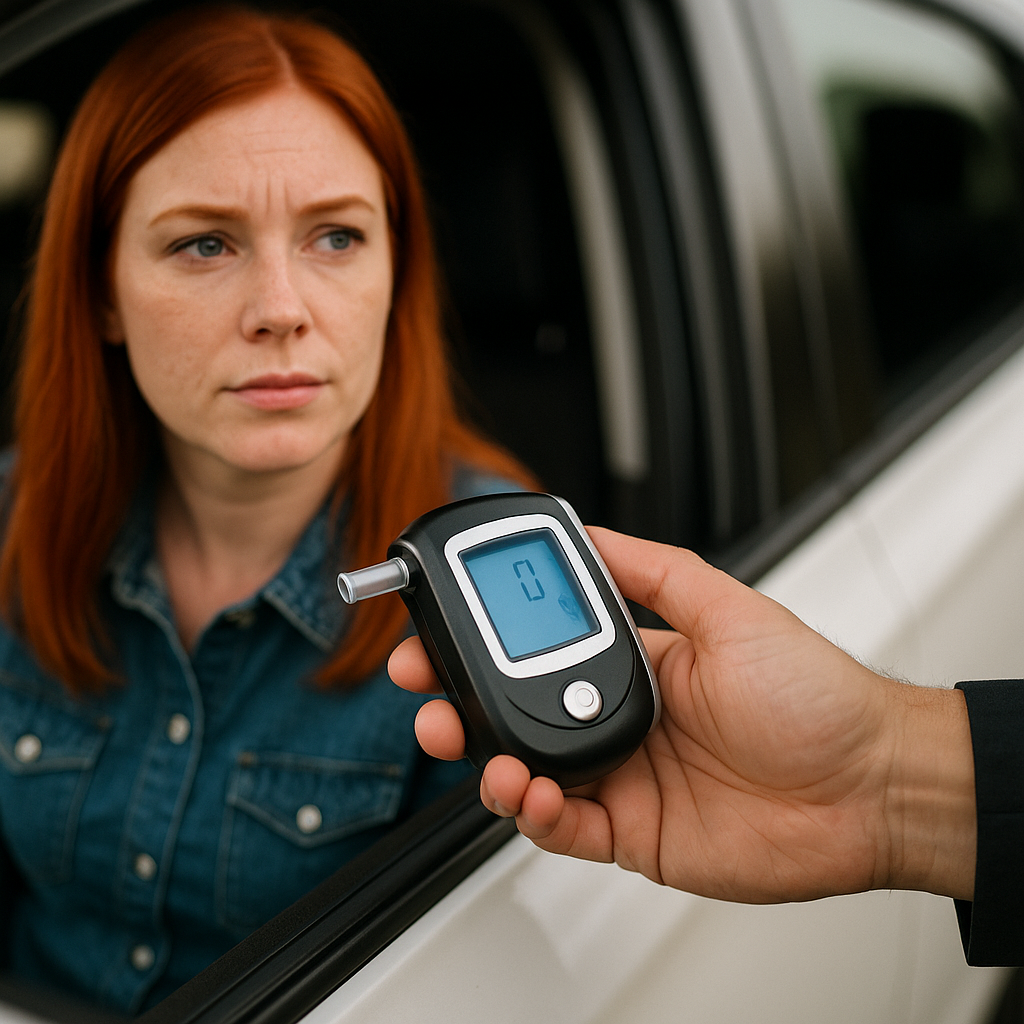
Milwaukee license reinstatement requires paying fees at a Wisconsin DMV center, providing proof of insurance or SR-22 filing if required, and completing any court-ordered programs — but the timeline varies widely based on whether your suspension is indefinite or dated.
Understanding Wisconsin's Indefinite Suspension System
Wisconsin issues two types of suspensions: definite (with an end date) and indefinite (requiring DMV clearance before reinstatement). Most suspensions in Milwaukee — including OWI, accumulating 12 demerit points in 12 months, refusing a chemical test, or driving without insurance — are indefinite suspensions. This means the suspension does not automatically expire. You must apply for clearance, wait for DMV review, and only then become eligible to reinstate.
The distinction matters because indefinite suspensions add 2–4 weeks to your reinstatement timeline that most drivers do not account for. If your suspension notice states "indefinite," you cannot walk into a DMV service center on the listed eligibility date and reinstate immediately. You must first submit a clearance application, wait for the DMV to process it, receive written clearance, and then schedule your reinstatement appointment. Definite suspensions — typically issued for failure to pay forfeitures or appear in court — do expire automatically on the end date, allowing immediate reinstatement once fees and requirements are met.
Check your suspension notice or log into your Wisconsin DMV online account to confirm whether your suspension is definite or indefinite. If the notice lists an eligibility date but does not state "definite suspension," assume it is indefinite and plan for the clearance process. Most OWI and point-related suspensions in Milwaukee fall into this category.
Step-by-Step Reinstatement Requirements in Milwaukee
Reinstatement in Milwaukee requires completing all court-ordered conditions, paying DMV reinstatement fees, and providing proof of insurance or SR-22 filing if required. Start by confirming your exact requirements using the Wisconsin DMV online records portal or by calling the Milwaukee DMV contact center at 608-266-2353. Your suspension notice lists the general categories, but the DMV system tracks whether specific conditions — like an alcohol assessment, ignition interlock installation, or traffic safety course — have been marked complete.
For OWI suspensions, you must complete an alcohol assessment through a state-approved provider, install an ignition interlock device if required (mandatory for most first OWI convictions and all subsequent offenses), and file an SR-22 certificate of insurance for three years from the reinstatement date. Ignition interlock installation must occur before reinstatement — you cannot drive to the DMV to reinstate without it already installed if it is a condition of your clearance. For point suspensions, you must wait out the suspension period and pay the reinstatement fee; no SR-22 is typically required unless the suspension also involved an at-fault accident without insurance.
Reinstatement fees in Wisconsin are $60 for most suspensions, $200 for OWI-related suspensions, and an additional $50 Occupational License (OL) fee if you held an occupational license during suspension. Fees must be paid in person at a Wisconsin DMV service center — online payment is not available for reinstatements. The Milwaukee North DMV Service Center (5310 W Fond du Lac Ave) and Waukesha Service Center (141 NW Barstow St) handle the highest volume of reinstatements in the metro area. Appointments are not required but are recommended to avoid multi-hour wait times.
If your suspension requires SR-22 filing, you must purchase a Wisconsin auto insurance policy from a carrier licensed to file SR-22 in the state and have your insurer electronically file the SR-22 certificate with the Wisconsin DMV before your reinstatement appointment. The SR-22 filing itself is typically free to $25, but your insurance rate will increase significantly — OWI convictions trigger an average 70–110% rate increase compared to standard policies. If you do not own a vehicle, you need a non-owner SR-22 policy, which satisfies the filing requirement without insuring a specific car. Wisconsin SR-22 insurance
Timeline: How Long Reinstatement Actually Takes
For indefinite suspensions, count on 4–8 weeks from your eligibility date to reinstatement. This includes 2–3 weeks for clearance application processing, 1–2 weeks to secure SR-22 insurance if required, and 1–2 weeks to schedule and attend your DMV reinstatement appointment. For definite suspensions, the timeline collapses to 1–2 weeks — you can reinstate immediately on the end date if all fees and insurance requirements are met in advance.
The clearance application process begins once you have completed all court-ordered conditions. Submit your clearance application online through the Wisconsin DMV portal or by mailing form MV3002 to the Division of Motor Vehicles, P.O. Box 7918, Madison, WI 53707-7918. Include documentation proving completion of all requirements — alcohol assessment certificates, ignition interlock installation receipts, proof of SR-22 filing, and payment confirmation for any outstanding fines or forfeitures. The DMV reviews applications in the order received. Standard processing is 10–15 business days, but can extend to 4 weeks during high-volume periods or if additional documentation is requested.
Once clearance is granted, you will receive a letter stating you are eligible to reinstate. This letter does not reinstate your license — you must still visit a DMV service center with the clearance letter, proof of identity, proof of insurance or SR-22 filing, and the reinstatement fee. The in-person appointment typically takes 30–60 minutes. Your license is reinstated the same day, though you will receive a paper temporary license if your photo ID card must be reprinted and mailed.
If you need to drive before full reinstatement, Wisconsin offers an Occupational License that allows limited driving for work, school, medical appointments, and court-ordered programs during your suspension. OL eligibility begins 30 days into most OWI suspensions and immediately for some point-related suspensions. The OL application requires a $50 fee, proof of insurance or SR-22, and a detailed driving schedule submitted to the DMV. Approval takes 1–2 weeks. The OL does not shorten your suspension period — it simply allows restricted driving until you are eligible for full reinstatement.
SR-22 Filing Requirements for Milwaukee Reinstatements
SR-22 filing is required in Wisconsin for OWI convictions, driving without insurance, accumulating excessive violations, and certain at-fault accidents. The filing is not insurance itself — it is a certificate your insurer files with the DMV confirming you carry at least Wisconsin's minimum liability coverage: $25,000 bodily injury per person, $50,000 per accident, and $10,000 property damage. The SR-22 must remain on file continuously for three years from your reinstatement date. If your policy lapses or cancels during that period, your insurer notifies the DMV within 10 days and your license is automatically re-suspended.
Not all carriers write SR-22 policies. In Milwaukee, high-risk carriers like The General, Direct Auto, Bristol West, Progressive, and Dairyland commonly accept SR-22 drivers, though availability and rates vary widely by violation type. Monthly premiums for SR-22 insurance after an OWI in Wisconsin typically range from $150–$300 per month for minimum coverage, compared to $60–$90 per month for a clean-record driver. Rates depend on your age, vehicle, ZIP code, and whether you have additional violations or lapses on your record.
If you do not own a vehicle but need SR-22 to reinstate, a non-owner SR-22 policy provides the required filing without insuring a specific car. Non-owner policies are secondary liability coverage that applies when you drive a borrowed or rental vehicle. Monthly premiums for non-owner SR-22 in Wisconsin typically run $40–$80 per month — significantly cheaper than standard SR-22 policies because they carry lower risk. Non-owner policies satisfy Wisconsin's SR-22 requirement and allow full license reinstatement. If you later purchase a vehicle, you must switch to a standard SR-22 policy that insures the car.
Your SR-22 filing must be active before the DMV will process your reinstatement. Most insurers file electronically within 24–48 hours of policy purchase, though some require 3–5 business days. Do not schedule your reinstatement appointment until you have confirmed the SR-22 is on file with the Wisconsin DMV. You can verify SR-22 filing status by logging into your Wisconsin DMV online account or calling the DMV contact center.
What Happens If You Miss a Step or Deadline
Missing a reinstatement requirement extends your suspension indefinitely. Wisconsin does not automatically reinstate licenses — the process only moves forward when you complete each step in sequence. If you apply for clearance without proof of ignition interlock installation, the DMV denies the application and requires resubmission once the device is installed. If you let your SR-22 policy lapse during the required filing period, your license is re-suspended immediately and you must re-apply for clearance, pay the reinstatement fee again, and restart the three-year SR-22 clock.
The most common missed step is failing to confirm that court-ordered conditions have been marked complete in the DMV system. Completing an alcohol assessment is not the same as the assessment provider notifying the DMV of completion — some providers take 1–2 weeks to submit electronic confirmation, and paper submissions can take longer. If you apply for clearance before the DMV has received completion confirmation, your application is denied. Check the status of each court-ordered requirement using the Wisconsin DMV online portal before submitting your clearance application.
If you drive on a suspended license in Wisconsin, even during the reinstatement process, you face an additional 6–12 month suspension, fines up to $2,500, and potential jail time. The suspension period for driving while suspended runs consecutively with your existing suspension — it does not replace it. If you are caught driving while waiting for clearance or reinstatement, your timeline resets and extends significantly. Use public transit, rideshare, or apply for an Occupational License if you need to drive before full reinstatement is complete.
Finding SR-22 Insurance Before Reinstatement
Securing SR-22 insurance is the longest variable in most Milwaukee reinstatements because high-risk carriers are selective about OWI and violation-related policies. Not every carrier writes SR-22 in Wisconsin, and those that do may decline applicants with multiple OWIs, recent lapses, or convictions within the past 12 months. Start shopping for SR-22 insurance 2–3 weeks before your eligibility or clearance date to allow time for quotes, underwriting, and electronic filing.
High-risk drivers in Milwaukee typically receive the most competitive SR-22 rates by comparing quotes from at least three carriers that specialize in non-standard auto insurance. Standard carriers like State Farm and Allstate rarely write policies for drivers with OWI convictions or active suspensions. Focus on carriers with dedicated high-risk divisions: The General, Bristol West, Dairyland, Progressive (through their non-standard arm), and Direct Auto are the most accessible in Wisconsin. Rates vary by 40–80% between carriers for identical coverage, so one declined quote or high premium does not define your options.
If you are quoted premiums above $300 per month for minimum coverage, confirm whether the quote includes comprehensive and collision coverage — many agents automatically quote full coverage even when not required. Wisconsin reinstatement only requires liability coverage. Dropping physical damage coverage reduces premiums by 30–50% in most cases. If you do not own a vehicle, make sure the agent is quoting a non-owner SR-22 policy, not a standard policy without a listed vehicle, which may be declined at underwriting.
Once your SR-22 policy is active and filed, keep proof of insurance and your SR-22 confirmation number accessible. You will need both for your reinstatement appointment. Set a calendar reminder for 30 days before each premium due date during your three-year filing period — an SR-22 lapse re-suspends your license immediately and forces you to restart the reinstatement process from the beginning. compare high-risk quotes