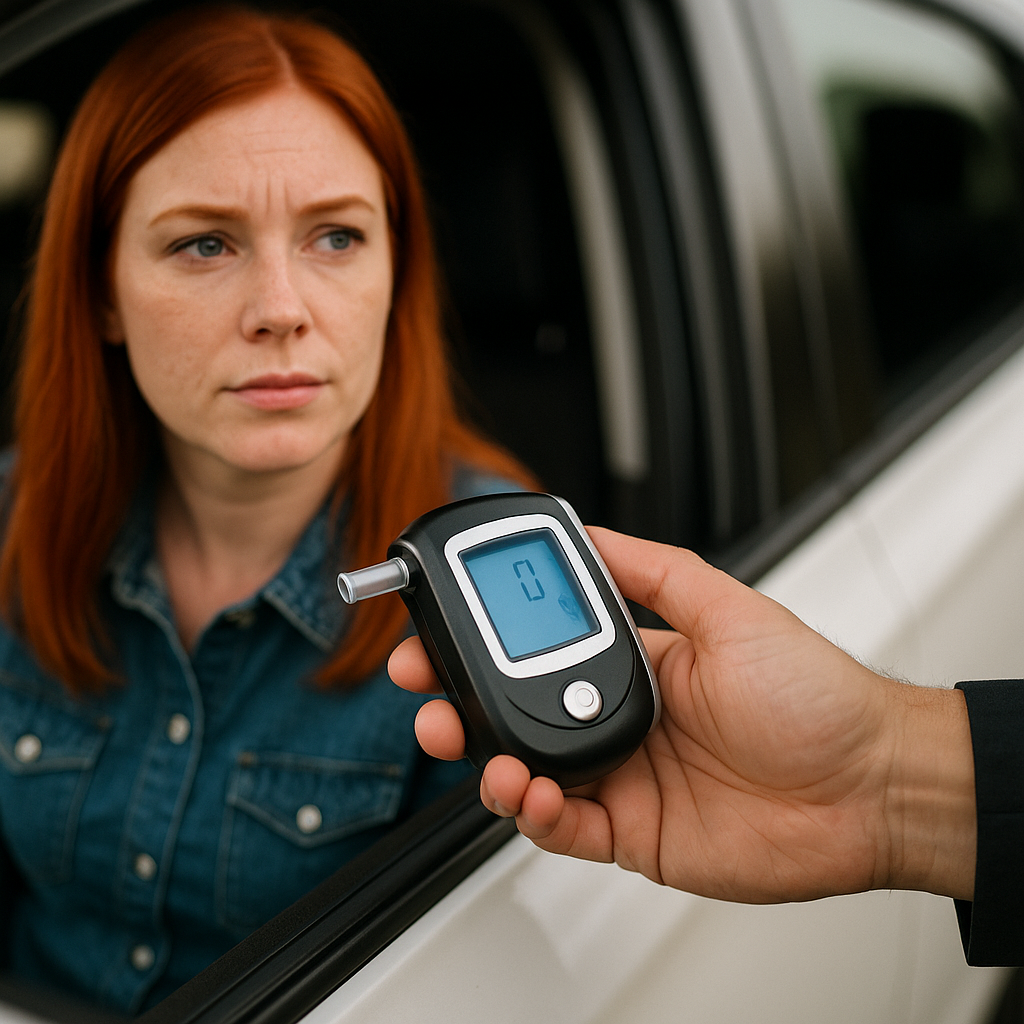
Arizona suspensions require proof of insurance and an SR-22 filing for most violations — but Mesa's MVD office processes reinstatements differently than other ADOT locations, and knowing which documents to bring saves you a second trip.
What Caused Your Suspension and Whether You Need SR-22
Arizona suspends licenses for DUI/DWI, excessive points (8+ in 12 months), driving without insurance, failure to appear in court, unpaid traffic tickets, and child support arrears. DUI and no-insurance suspensions always require SR-22 filing to reinstate — point suspensions and administrative holds typically do not. If your suspension notice includes language about "proof of financial responsibility" or "continuous insurance coverage," you need an SR-22.
SR-22 is not insurance — it is a certificate your insurer files with the Arizona Motor Vehicle Division proving you carry at least state minimum liability coverage ($25,000 bodily injury per person, $50,000 per accident, $15,000 property damage). The filing itself costs $15–$25 through your insurer, and Arizona requires continuous coverage for 3 years from your reinstatement date. If your policy lapses during that period, your insurer notifies ADOT and your license is re-suspended immediately.
Administrative suspensions for unpaid fines or failure to appear do not require SR-22 — you clear the underlying issue (pay the fine, resolve the court matter) and pay the reinstatement fee. Check your suspension notice or call Arizona MVD at 602-255-0072 to confirm whether SR-22 is part of your reinstatement requirement before securing coverage.
Mesa MVD Office Reinstatement Process
Mesa's MVD office at 222 E. Main Street processes full reinstatements on-site, which is faster than offices that only handle basic transactions and refer you to a central ADOT location. You bring your documents, pay the fee, and walk out with your reinstated license the same day — if everything is in order. The office accepts debit cards, money orders, and cashier's checks but does not accept personal checks or credit cards for reinstatement fees, and many drivers are turned away because they assume standard payment methods work.
Reinstatement fees in Arizona are $10 for most suspensions, $20 for DUI-related suspensions, and $50 for driving without insurance suspensions. If you owe multiple fees — for example, a DUI suspension plus a separate no-insurance violation — they stack. The Mesa office does not waive or reduce fees under any circumstance, and payment must be made in full before reinstatement is processed.
You also need your SR-22 certificate in hand if required. Arizona allows electronic filing, so your insurer can transmit the SR-22 directly to ADOT, but the system is not instant — filings take 1–3 business days to appear in the MVD database. If you arrive at the Mesa office before your SR-22 posts, you will be turned away. Call the MVD 24-hour automated line at 602-255-0072 and enter your driver license number to confirm your SR-22 is on file before making the trip.
Hardship and Restricted License Options During Suspension
Arizona does not offer hardship licenses for most suspensions — the state expects you to serve the full suspension period without driving privileges. The exception is for occupational or educational hardship during a DUI suspension. If you were convicted of DUI and your suspension is longer than 30 days, you may apply for a special ignition interlock restricted license that allows you to drive to work, school, medical appointments, and court-ordered obligations.
The restricted license requires installation of an ignition interlock device in any vehicle you operate, proof of SR-22 insurance, completion of alcohol or drug screening, and payment of a $50 application fee. You must serve the first 30 days of your DUI suspension with no driving privileges before you are eligible to apply. Applications are processed through the Mesa MVD office or by mail to ADOT, and approval takes 7–14 days.
For non-DUI suspensions — points, unpaid tickets, failure to appear — Arizona offers no restricted driving. You either serve the full suspension or resolve the underlying issue and reinstate. If your livelihood depends on driving, focus on clearing the suspension as quickly as possible rather than applying for a hardship license that does not exist for your situation.
SR-22 Insurance Costs and Non-Owner Policy Option
SR-22 filing adds $15–$25 to your policy, but the real cost is the rate increase for the violation that triggered the requirement. A DUI in Arizona typically increases rates by 70–130% compared to a clean-record driver, with total annual premiums often reaching $2,000–$3,500 for standard liability coverage. Driving without insurance violations increase rates by 30–60%. Those increases persist for 3–5 years, even after your SR-22 requirement ends.
If you do not currently own a vehicle, a non-owner SR-22 policy satisfies Arizona's reinstatement requirement and costs significantly less than standard coverage — typically $300–$700 per year. Non-owner policies provide liability coverage when you drive a borrowed or rented vehicle and include the SR-22 filing ADOT requires. This is the most common path for suspended drivers who sold their vehicle during suspension or rely on public transit.
Not all insurers write non-owner SR-22 policies. In Arizona, non-standard carriers like The General, Bristol West, and Acceptance specialize in high-risk filings and typically approve suspended drivers within 24 hours. If your suspension is for DUI, expect to see limited carrier options — Arizona has fewer DUI-friendly insurers than most states, and quoted rates vary by 40–80% across carriers for identical coverage.
Timeline from SR-22 Filing to Reinstatement
If you secure SR-22 insurance today, your insurer electronically files the certificate with Arizona MVD within 24 hours. Arizona's system processes electronic filings in 1–3 business days, meaning your SR-22 appears in the MVD database 2–4 days after you bind coverage. Do not visit the Mesa MVD office until you confirm the filing posted — call 602-255-0072 and verify using your driver license number.
Once your SR-22 posts and you bring required documents (license, proof of insurance, payment for reinstatement fee), the Mesa office processes reinstatement immediately — typically 20–40 minutes including wait time. You leave with a temporary paper license valid for 30 days while your permanent card is mailed. Your reinstatement is effective the moment you pay the fee — you are legal to drive as soon as you walk out.
Total timeline from securing SR-22 coverage to driving legally: 3–5 days if you act quickly, up to 10 days if you wait to confirm the filing or encounter processing delays. If your suspension included a mandatory period (30-day minimum for some DUI violations), the clock does not start until that period expires — secure your SR-22 insurance during the mandatory period so you can reinstate immediately when eligible.
What Happens If Your SR-22 Lapses After Reinstatement
Arizona requires continuous SR-22 coverage for 3 years from your reinstatement date. If your policy lapses for any reason — non-payment, cancellation, switching insurers without filing a new SR-22 — your insurer is legally required to notify ADOT within 10 days. ADOT automatically re-suspends your license, and you start the reinstatement process from scratch: new SR-22 filing, new reinstatement fee, and the 3-year SR-22 clock resets.
This is the most common way drivers extend their SR-22 requirement beyond 3 years. A single lapse resets the entire timeline. If you lapse 2 years into your requirement, you do not have 1 year remaining — you have 3 years remaining from your new reinstatement date. Set up automatic payments and monitor your policy to avoid this outcome.
If you switch insurers during your SR-22 period, your new insurer must file a replacement SR-22 with ADOT before your old policy cancels. Coordinate the transition — get confirmation your new SR-22 posted before canceling your old policy. Most suspended drivers stay with their original SR-22 carrier for the full 3 years to avoid coordination risk, even if a competitor quotes slightly lower. Find coverage after your violation