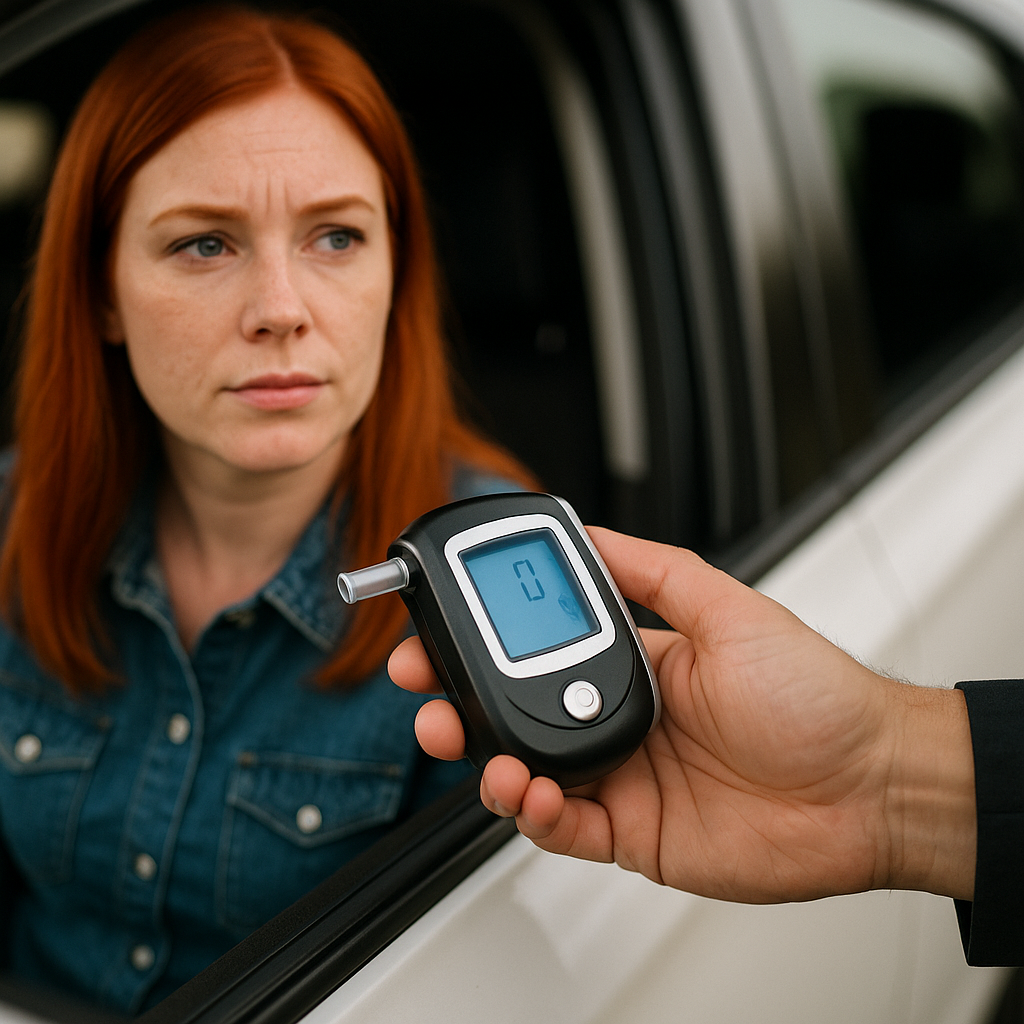
Your Colorado Springs license reinstatement hinges on clearing the specific reason for suspension — DUI, points, unpaid tickets, or lapsed insurance — and many drivers pay for longer SR-22 filing than the DMV actually requires.
Identify Your Colorado Suspension Type and Reinstatement Requirements
Colorado issues suspensions under distinct categories — each with its own reinstatement process, fee structure, and SR-22 requirement. The most common suspension types in El Paso County are DUI/DWAI violations, accumulation of 12 or more points within 12 months, driving without insurance, failure to pay child support, and unpaid traffic tickets or failure to appear in court. Your suspension notice from the Colorado Division of Motor Vehicles lists your suspension code and reason, which determines your exact reinstatement path.
DUI and DWAI suspensions trigger mandatory SR-22 filing for 3 years post-reinstatement, along with completion of Level II alcohol education or treatment and payment of a $95 reinstatement fee. Point suspensions require a $95 reinstatement fee and proof of insurance but typically do not require SR-22 unless combined with another violation. Driving without insurance suspensions require SR-22 filing for 3 years, proof of current insurance, and a $65 reinstatement fee. Administrative suspensions for unpaid tickets or child support require clearing the underlying debt and paying a $95 reinstatement fee — no SR-22 required unless insurance lapse was also involved.
The Colorado DMV does not automatically notify you when your SR-22 filing period ends. Many drivers continue paying for SR-22 certificates 6 to 12 months beyond their legally required duration because their insurer does not track state-specific filing end dates. Check your original suspension order or contact the DMV Driver Control Unit at 303-205-5613 to confirm your exact filing end date before assuming you need to maintain coverage. non-owner SR-22 policy Colorado's SR-22 requirements
Colorado Restricted License and Ignition Interlock Options During Suspension
Colorado offers two restricted driving options during suspension: the Ignition Interlock Restricted License and the Probationary License. The Ignition Interlock Restricted License is available immediately after a DUI or DWAI suspension begins, allowing you to drive without waiting out the full suspension period. You must install an approved ignition interlock device in any vehicle you operate, maintain SR-22 insurance, pay a $100 restricted license fee, and complete an alcohol evaluation. This option is available for first-time DUI offenders and most repeat offenders, though second and subsequent DUI suspensions carry longer interlock requirements.
The Probationary License is available after serving one month of a point suspension. You can drive for work, school, medical appointments, and alcohol treatment only. You must provide employer verification, proof of insurance, and pay a $95 probationary license fee. Violations during the probationary period extend your suspension and may disqualify you from future restricted licenses.
Neither restricted option is available for administrative suspensions due to unpaid child support or failure to appear in court — those require full resolution of the underlying issue before any driving privileges are restored. If your suspension involves multiple causes, the most restrictive reinstatement requirement governs your eligibility for restricted licenses.
SR-22 Filing Requirements and Non-Owner Policy Options in Colorado
Colorado law requires SR-22 filing for DUI/DWAI offenses, driving without insurance, and some point-related suspensions. The SR-22 is not insurance — it is a certificate filed by your insurer with the DMV proving you carry at least Colorado's minimum liability coverage: $25,000 bodily injury per person, $50,000 per accident, and $15,000 property damage. Your insurer charges a one-time filing fee of $15 to $50 to submit the SR-22, but the larger cost is the premium increase that comes with being classified as a high-risk driver.
A DUI conviction typically increases your insurance rates by 70% to 130% in Colorado, depending on your prior record and the insurer. Non-standard carriers like The General, National General, and Progressive often provide the most competitive SR-22 rates for suspended drivers because they specialize in high-risk policies. Standard carriers like State Farm and Allstate either decline SR-22 drivers outright or price them into non-renewal.
If you do not own a vehicle, you can satisfy Colorado's SR-22 requirement with a non-owner policy. This covers you when driving a borrowed or rental vehicle and costs approximately $300 to $600 per year, significantly less than adding SR-22 to a standard auto policy. Non-owner SR-22 policies meet reinstatement requirements and maintain continuous coverage, which prevents additional lapses that would restart your SR-22 filing clock. Many suspended drivers are unaware this option exists and assume they must own a car to reinstate their license — you do not.
Colorado Reinstatement Timeline and What Delays It
Once you satisfy all reinstatement requirements, Colorado processes reinstatements within 5 to 10 business days. You can check your eligibility online through the Colorado DMV MyDMV portal or by calling 303-205-5613. If your record shows "eligible for reinstatement," you can pay your fees and submit proof of insurance at any Colorado driver license office or online. Your license is reinstated the day the DMV receives payment and confirms all conditions are met.
The most common delay is incomplete alcohol education or treatment for DUI suspensions. Colorado requires Level II education at a minimum, and many drivers underestimate the time required to complete the program — typically 24 to 68 hours spread over several weeks. The treatment provider must electronically submit completion to the DMV, and processing can take an additional 3 to 5 business days. Unpaid traffic tickets or court fines also block reinstatement until fully resolved, and some municipalities do not report payment to the DMV for 7 to 10 days.
SR-22 lapses restart your entire filing period. If your policy cancels or you drop coverage during your 3-year SR-22 requirement, the Colorado DMV suspends your license again and resets your filing clock to day one. Your insurer is legally required to notify the DMV within 15 days of policy cancellation, and the suspension is automatic — no additional hearing or notice is required. Maintaining continuous coverage is non-negotiable for drivers under SR-22 filing requirements.
Insurance Shopping Strategy for Suspended License Reinstatement
Colorado non-standard insurers evaluate suspended drivers differently. Some specialize in DUI violations and offer competitive rates for first-time offenders but price repeat offenders out. Others focus on point suspensions or lapsed insurance violations and provide better rates for those profiles. Comparing at least three to five high-risk carriers is essential because rate spreads for the same driver can exceed $1,000 per year.
Non-owner SR-22 policies are the most cost-effective option if you do not own a vehicle and need to reinstate your license. These policies satisfy Colorado's proof-of-insurance and SR-22 filing requirements without the cost of insuring a vehicle you do not drive. If you plan to drive a vehicle registered to a family member or partner, a non-owner policy covers you when driving that vehicle — it does not cover the vehicle itself, only your liability as a driver.
Once your SR-22 filing period ends, you can shop for standard insurance again. Moving from a non-standard carrier back to a standard carrier typically reduces premiums by 30% to 50%, but you must confirm with the DMV that your filing period is complete before canceling your SR-22 policy. Canceling even one day early restarts the clock and triggers a new suspension. compare high-risk quotes