Cleveland drivers face Ohio BMV reinstatement requirements that vary by suspension type—DUI, point accumulation, insurance lapses, and unpaid fines each trigger different fees, timelines, and SR-22 obligations.
What Cleveland Drivers Need to Know Before Starting Reinstatement
Ohio processes all license reinstatements through the Bureau of Motor Vehicles, but your suspension type determines every step that follows—fees, required documentation, SR-22 filing obligations, and whether you need insurance during or only after your suspension ends. Cleveland drivers suspended for DUI, multiple points, failure to maintain insurance, unpaid tickets, or child support arrears face different reinstatement paths with different timelines.
Most suspensions in Ohio fall into two categories: violation-based (DUI, reckless driving, excessive points) and administrative (insurance lapses, unpaid fines, child support). Violation-based suspensions typically require SR-22 filing for three years post-reinstatement, while administrative suspensions may require proof of insurance at reinstatement but no ongoing SR-22. Knowing which category your suspension falls into determines whether you need to maintain coverage during suspension or only secure it before reinstatement.
Ohio does not allow you to drive during most suspension periods, but occupational (hardship) licenses are available for DUI and certain point-based suspensions after serving a mandatory waiting period. Cleveland drivers who qualify can apply through the Cuyahoga County Municipal Court or Ohio BMV, depending on the suspension type. Eligibility for hardship licenses varies—first-time DUI suspensions require a 15-day waiting period before you can apply, while repeat offenses require 45 to 180 days.
Cleveland Reinstatement Requirements by Suspension Type
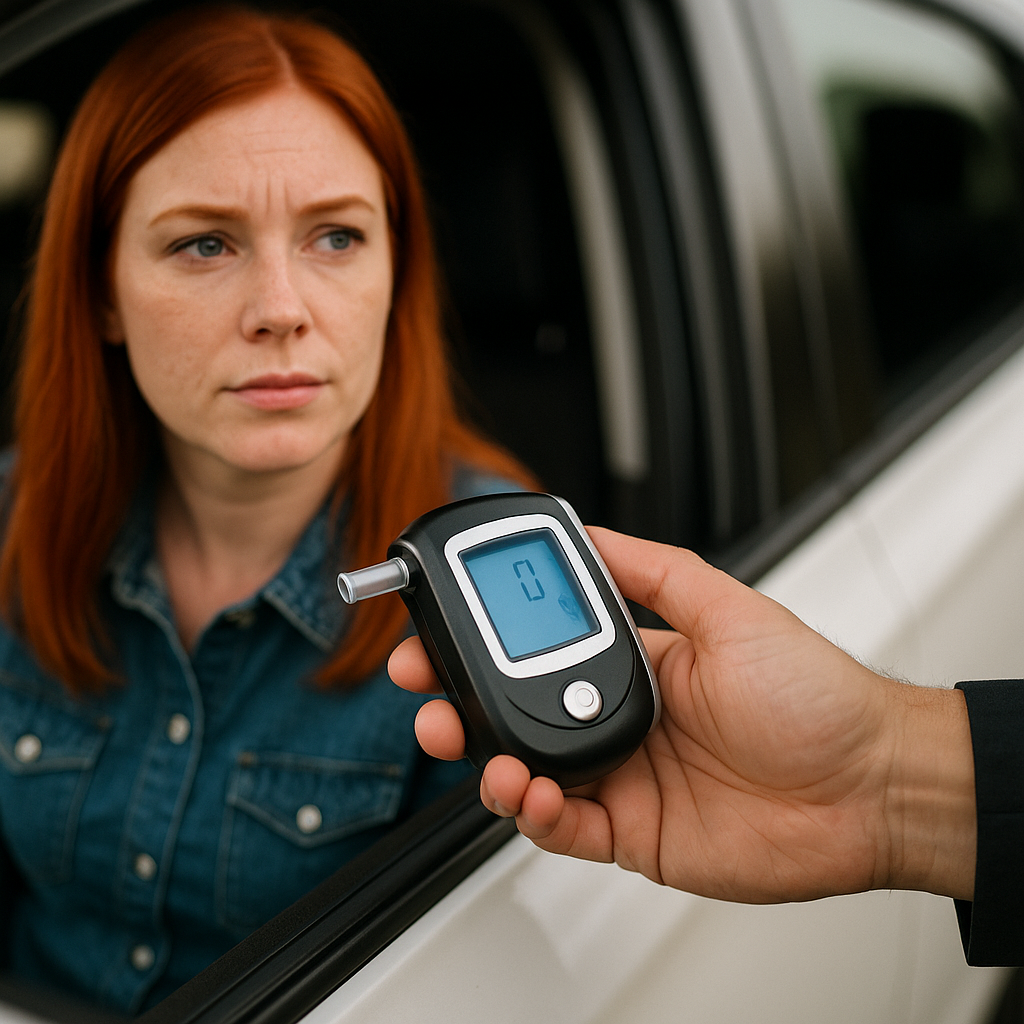
DUI/OVI suspensions in Ohio carry the most complex reinstatement requirements. A first-offense administrative license suspension (ALS) lasts 90 days to one year, depending on whether you refused chemical testing. Reinstatement requires completion of a driver intervention program, proof of SR-22 insurance, reinstatement fees of $475, and installation of an ignition interlock device if your blood alcohol content was 0.17% or higher. The SR-22 filing period begins at reinstatement and continues for three years—if your policy lapses during that period, your license suspends again automatically.
Insurance lapse suspensions trigger immediately when your insurer notifies the Ohio BMV of a policy cancellation or non-renewal. Even a single day without coverage can result in suspension. Reinstatement requires paying a $660 reinstatement fee, submitting proof of current insurance (not SR-22 unless the lapse occurred during an existing SR-22 filing period), and waiting for BMV processing. Cleveland drivers often assume they can wait out the suspension period without insurance, but Ohio requires continuous coverage during suspension—failure to maintain it extends the suspension indefinitely.
Point accumulation suspensions occur when you reach 12 points within two years on your Ohio driving record. The suspension lasts six months for a first occurrence, one year for a second within three years. Reinstatement requires a $40 fee, completion of a remedial driving course, and proof of insurance. SR-22 filing is not automatically required unless the points resulted from specific violations like DUI, reckless driving, or driving under suspension.
Administrative suspensions for unpaid tickets, failure to appear in court, or child support arrears lift once you resolve the underlying issue—pay the fines, appear in court, or satisfy arrears. Cleveland Municipal Court and Cuyahoga County courts issue suspension orders directly to the BMV. Once the court notifies BMV that you've complied, you pay a $40 reinstatement fee and provide proof of insurance. No SR-22 filing is required unless the original offense was a moving violation that independently triggered SR-22 requirements. Ohio SR-22 insurance requirements
Step-by-Step Reinstatement Process and Timeline
Start by requesting your full driving record from the Ohio BMV online or at the Cleveland license bureau at 7100 Central Avenue. Your abstract shows all active suspensions, the reason for each, required actions, and eligible reinstatement date. Ohio charges $8 for a three-year driving record, and you can order it online at bmv.ohio.gov. If multiple suspensions exist, you must clear each one individually—reinstatement fees and requirements stack.
Complete all court-ordered or BMV-mandated programs before applying for reinstatement. DUI suspensions require proof of driver intervention program completion, which typically costs $350 to $475 and takes three days to complete. Point-based suspensions require a remedial driving course, available online or in-person for $75 to $150. If ignition interlock is required, you must install it through an Ohio-certified provider before reinstatement—installation costs $70 to $150, with monthly monitoring fees of $60 to $80.
Secure SR-22 insurance if your suspension type requires it. Not all carriers write SR-22 policies for high-risk drivers in Ohio—Progressive, The General, and Bristol West are among the most accessible for DUI and suspension-related SR-22 filings in Cleveland. Your insurer files the SR-22 certificate electronically with the Ohio BMV within 24 to 48 hours. Monthly premiums for SR-22 coverage after a DUI in Ohio typically range from $150 to $350 depending on age, vehicle, and prior coverage history. If you don't own a vehicle, non-owner SR-22 policies cost $40 to $80 per month and satisfy reinstatement requirements.
Pay all reinstatement fees and submit required documentation to the Ohio BMV. You can pay online at bmv.ohio.gov, by mail, or in person at the Cleveland license bureau. DUI reinstatements require $475, insurance lapse reinstatements require $660, and most other suspensions require $40. Once BMV receives payment, SR-22 filing, and proof of program completion, processing takes 24 to 72 hours. You'll receive a reinstatement letter confirming your driving privileges are restored. If you had a physical license confiscated, you'll need to visit the Cleveland BMV in person with proof of identity and residency to obtain a new license—there's an additional $25.75 license replacement fee.
Hardship and Occupational License Options in Cleveland
Ohio offers occupational driving privileges (ODP) for drivers suspended due to DUI, certain point violations, or failure to maintain insurance. ODP allows you to drive for work, medical appointments, court-ordered programs, and education during your suspension period. First-time DUI offenders can apply for ODP after 15 days of suspension, while second offenses require a 45-day waiting period and third offenses require 180 days.
To apply for ODP in Cleveland, file a petition with the Cuyahoga County Municipal Court if your suspension originated from a municipal offense, or with the Ohio BMV if it's an administrative suspension. The petition costs $40 and requires proof of SR-22 insurance, proof of employment or school enrollment, and a proposed driving schedule. Courts typically grant ODP for 12-hour daily windows covering work commute and essential activities. Ignition interlock installation is mandatory for DUI-related ODP—refusal to install disqualifies you from hardship privileges.
ODP does not reduce your suspension period or eliminate reinstatement requirements. Once your full suspension term ends, you still must complete all programs, pay reinstatement fees, and maintain SR-22 filing for the required three-year period. Violating ODP restrictions—driving outside approved times or locations—results in immediate revocation of hardship privileges and can extend your suspension by an additional six months.
Insurance Requirements During and After Suspension
Ohio law requires continuous insurance coverage during most suspension periods, which confuses drivers who assume they don't need insurance if they can't legally drive. If your suspension resulted from an insurance lapse, you must maintain coverage throughout the suspension—any additional lapse extends the suspension indefinitely. If your suspension resulted from DUI or points, you're not legally required to maintain insurance during suspension, but you must have SR-22 coverage in place before reinstatement.
SR-22 filing after reinstatement locks you into a three-year commitment for DUI and most violation-based suspensions. If your SR-22 policy lapses at any point during those three years, the Ohio BMV suspends your license again automatically, and you'll pay the full $475 reinstatement fee a second time. Setting up automatic payments and maintaining at least the state minimum liability limits—25/50/25 in Ohio—prevents lapses. Many high-risk insurers offer six-month policy terms rather than annual, which means renewal points where coverage could lapse if you don't stay current on payments.
Non-owner SR-22 policies are the most cost-effective option for Cleveland drivers who don't own a vehicle but need to satisfy reinstatement requirements. Non-owner policies provide liability coverage when you drive someone else's car and fulfill Ohio's SR-22 filing obligation. Monthly costs range from $40 to $80, significantly lower than standard SR-22 auto policies. Once you purchase a vehicle, you'll need to switch to a standard policy, and your insurer will file an updated SR-22 with the BMV.
What Happens If You Drive on a Suspended License in Cleveland
Driving under suspension (DUS) in Ohio is a first-degree misdemeanor carrying up to six months in jail and fines up to $1,000 for a first offense. Cleveland police and Ohio State Highway Patrol conduct regular license status checks during traffic stops—your suspension status is visible immediately when an officer runs your license plate or driver's license number. A DUS conviction adds a new suspension period on top of your existing one, typically six months to three years depending on the reason for the original suspension.
If your original suspension was DUI-related and you're caught driving under suspension, Ohio law mandates vehicle immobilization or forfeiture. Cuyahoga County courts routinely order 30-day vehicle impoundment for DUS violations, with storage fees of $15 to $25 per day. Repeat DUS offenses can result in permanent vehicle forfeiture, meaning the court seizes and sells your vehicle at auction.
Insurance becomes significantly more expensive after a DUS conviction. Carriers view driving under suspension as a high-risk behavior independent of the original violation—expect rate increases of 30% to 60% on top of any DUI or point-related surcharges already applied. Some insurers drop coverage entirely after a DUS conviction, forcing you into the non-standard market where monthly premiums for minimum liability coverage can exceed $200. compare high-risk quotes