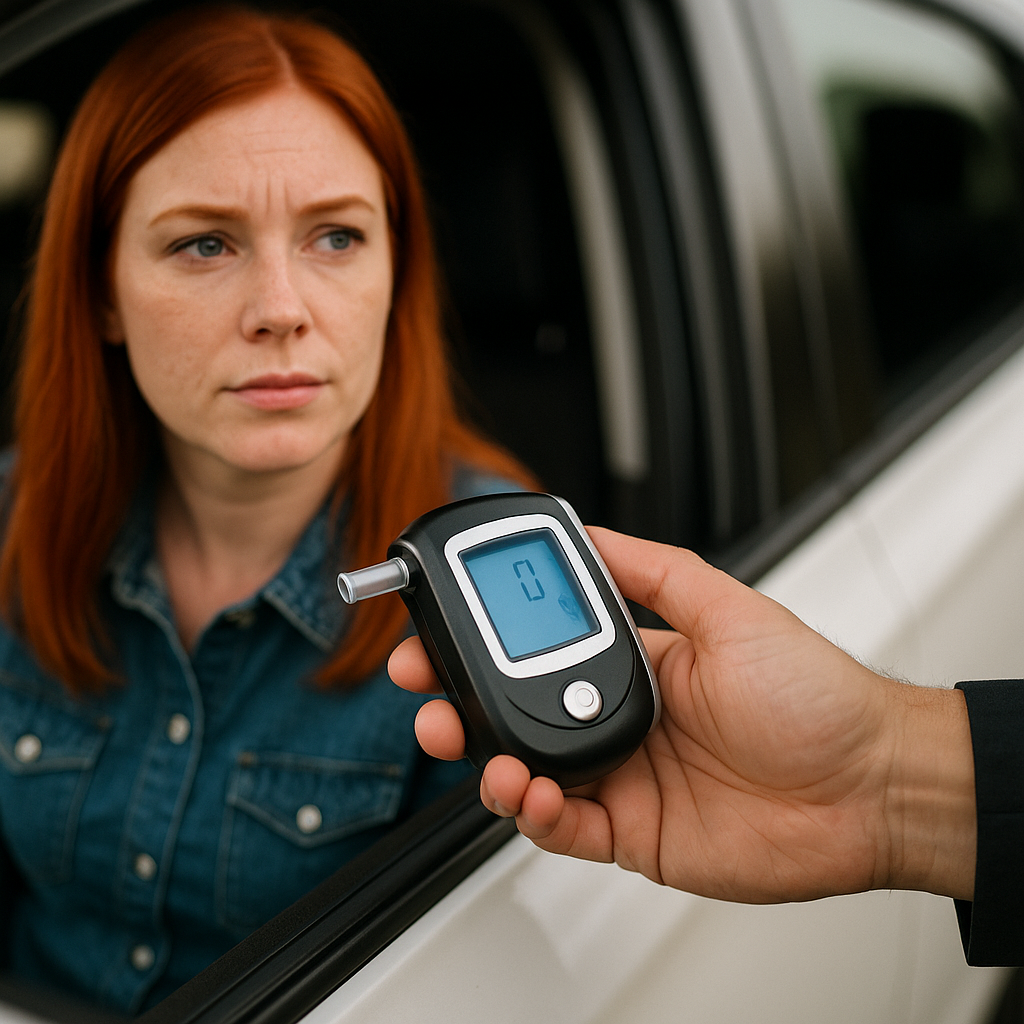
A DUI conviction in St. Petersburg requires 3 years of SR-22 filing and triggers rate increases of 80–150%. Here's how to find the lowest-cost SR-22 options from carriers that still write DUI risks in Pinellas County.
Florida Requires FR-44, Not SR-22, for DUI Convictions
If you were convicted of DUI in St. Petersburg, Florida law requires you to file an FR-44 certificate, not an SR-22. The FR-44 is Florida's high-risk insurance certification for DUI and DWI offenses, and it mandates higher liability coverage limits than a standard SR-22: $100,000 bodily injury per person, $300,000 per accident, and $50,000 property damage. This is double the state's minimum liability requirement for clean-record drivers.
The Florida Department of Highway Safety and Motor Vehicles (FLHSMV) requires FR-44 filing for 3 years following a DUI conviction. If your policy lapses or is canceled during that period, your insurer must notify the state within 10 days, triggering an immediate license suspension. You cannot reinstate without securing new FR-44 coverage and paying a $45 reinstatement fee, plus any late penalties.
Many drivers search for "SR-22" because it's the more common term nationally, but in Florida, the FR-44 is the only acceptable proof of financial responsibility after a DUI. Confusing the two can delay your reinstatement — not all carriers that offer SR-22 in other states write FR-44 policies in Florida. FR-44 insurance requirements in Florida
Which Carriers Write FR-44 Policies in St. Petersburg
Five carriers consistently offer competitive FR-44 policies to DUI drivers in Pinellas County: Progressive, National General, Acceptance Insurance, Bristol West, and Direct Auto Insurance. These are non-standard carriers that specialize in high-risk drivers and maintain active underwriting for DUI convictions. Standard carriers like State Farm, Allstate, and GEICO typically decline DUI risks outright or offer renewal only at prohibitively high rates.
Progressive is often the first call for FR-44 shoppers because it writes policies directly and accepts DUI convictions without requiring an intermediary. National General and Bristol West operate through independent agents and may offer lower rates if you bundle with non-owner or multi-vehicle policies. Acceptance and Direct Auto maintain storefronts in St. Petersburg and surrounding areas, which can speed up the filing process if you need proof of coverage immediately for a reinstatement hearing.
If none of these carriers approve your application — often due to multiple DUIs, recent at-fault accidents, or unpaid judgments — you may be assigned to the Florida Automobile Joint Underwriting Association (FAJUA). FAJUA is the state's insurer of last resort and typically charges 40–70% more than voluntary market carriers. Avoiding FAJUA assignment is worth the effort of comparing quotes from all five voluntary carriers. non-standard auto insurance
What FR-44 Insurance Costs After a DUI in St. Petersburg
A DUI conviction in St. Petersburg typically increases your insurance premium by 80–150%, depending on your age, prior driving record, and the severity of the offense. Before the DUI, a 35-year-old driver with clean history might pay $1,400–$1,800 per year for minimum liability coverage. After the DUI and FR-44 filing requirement, that same driver can expect to pay $2,800–$4,200 per year for the elevated FR-44 liability limits.
The FR-44 filing fee itself is modest — usually $25–$50 as a one-time charge from your insurer to submit the certificate to the FLHSMV. The real cost is the increased premium resulting from the DUI conviction and the higher coverage limits. Drivers under 25 or over 65 often see steeper increases, sometimes exceeding 200%, because insurers view these age groups as higher risk for repeat offenses or accident severity.
Rates vary significantly by carrier. In a recent comparison of FR-44 quotes for a St. Petersburg driver with one DUI, Progressive quoted $3,100 annually, National General came in at $3,450, and FAJUA assigned risk would have cost $5,200. Shopping all available carriers can save you $1,500–$2,000 per year during your 3-year filing period. SR-22 insurance coverage
How to Reinstate Your License After a DUI Suspension in Florida
Florida suspends your driver's license for a minimum of 180 days after a first DUI conviction, 5 years for a second conviction within 5 years, and 10 years for a third conviction. To reinstate, you must complete DUI school, serve the suspension period, pay all reinstatement fees, and file FR-44 insurance. The FLHSMV will not process your reinstatement until all four requirements are satisfied.
Reinstatement fees for a DUI suspension start at $475: $130 reinstatement fee, $45 FR-44 filing fee, and $300 for the Florida DUI program. If your license was also suspended for refusal to submit to a breath test, add another $500 administrative fine. You must pay these fees at a Florida driver license office or online through the FLHSMV website before your license is reinstated.
Once you secure FR-44 coverage, your insurer files the certificate electronically with the state, usually within 24–48 hours. You can verify the filing status by checking your driving record on the FLHSMV website or calling the reinstatement unit at (850) 617-2000. Do not drive until you receive confirmation that your license is active — driving on a suspended license after a DUI is a first-degree misdemeanor in Florida, punishable by up to 60 days in jail.
Business Use Hardship License During Your Suspension
Florida allows eligible DUI offenders to apply for a business purposes only (BPO) hardship license after serving 30 days of a first-offense suspension or 12 months of a second-offense suspension. A BPO license permits driving to work, school, medical appointments, and religious services, but not for social or recreational purposes. You must complete DUI school, enroll in an ignition interlock program if required, and file FR-44 insurance before applying.
To apply for a hardship license, schedule a hearing with the Florida Bureau of Administrative Reviews. You'll need to bring proof of enrollment in DUI school, proof of FR-44 insurance, proof of employment or school enrollment, and the $475 reinstatement fee. The hearing officer will review your case and determine whether to grant restricted driving privileges. Approval is not automatic — repeat offenders or drivers with recent violations may be denied.
If granted, your hardship license requires continuous FR-44 coverage. Any lapse triggers immediate revocation of your driving privileges and resets your eligibility timeline. Most carriers charge the same FR-44 premium whether you have a hardship license or full reinstatement, because the liability exposure and filing requirement are identical.
How to Lower Your FR-44 Premium Over the 3-Year Filing Period
Your FR-44 premium will decrease gradually over the 3-year filing period if you maintain continuous coverage without lapses, avoid new violations, and remain claim-free. Most carriers reassess DUI surcharges annually, reducing the penalty by 15–25% each year you demonstrate responsible driving. By year three, your premium may drop to within 30–50% of pre-DUI rates, though you'll still pay more than a clean-record driver.
Re-shop your FR-44 policy every 6–12 months during the filing period. Carriers adjust their appetite for DUI risks frequently, and a carrier that declined you at reinstatement may offer competitive rates a year later. If you've completed your DUI school, installed an ignition interlock device voluntarily, or enrolled in a defensive driving course, mention these factors when requesting quotes — some carriers offer small discounts for risk-reduction measures.
Once your 3-year FR-44 filing period ends, your insurer will stop filing the certificate with the state, but your DUI conviction remains on your Florida driving record for 75 years. Insurers will continue to rate you as a high-risk driver for 3–5 years after the conviction date, depending on the carrier's underwriting guidelines. Switching to a standard carrier after your FR-44 period ends can save you an additional 20–40% compared to staying with a non-standard insurer.