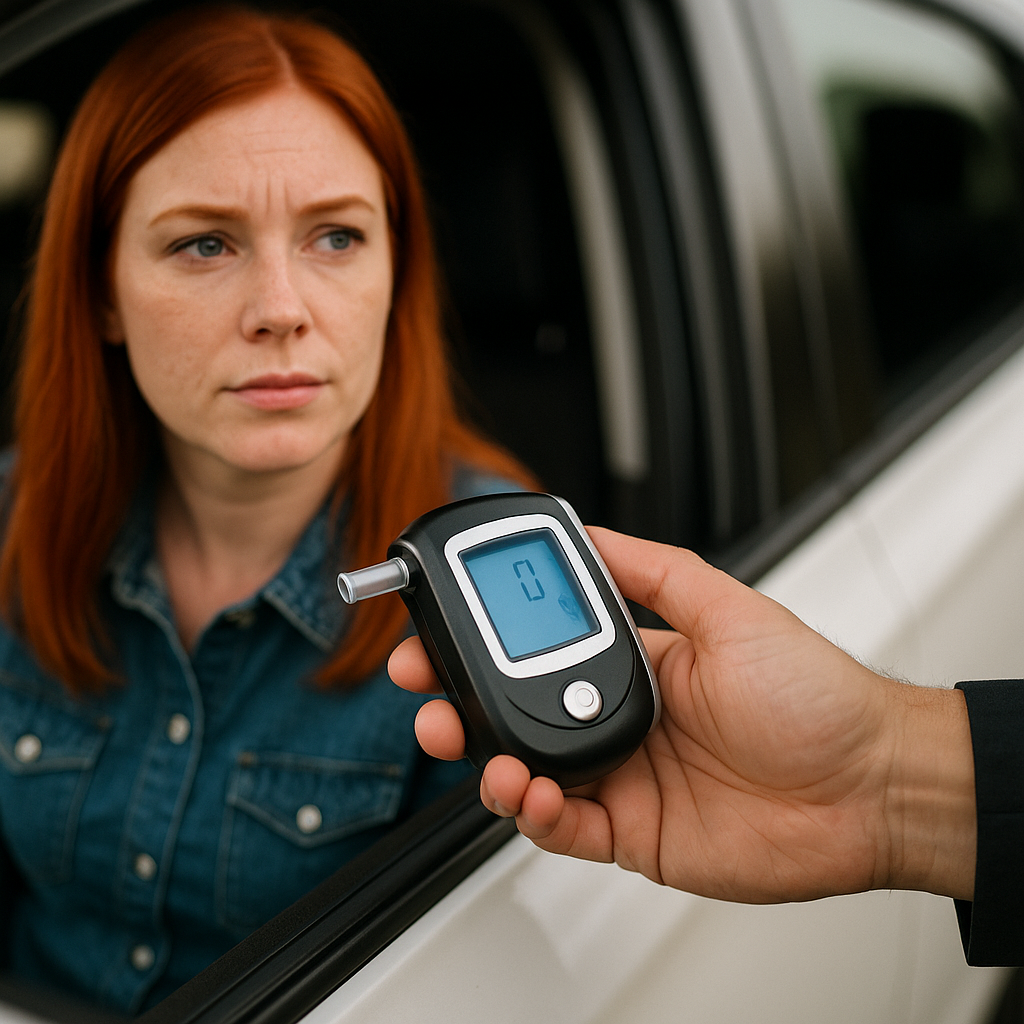
Sacramento DUI convictions trigger a mandatory 3-year SR-22 filing and average rate increases of 110–150%. Here's how to find affordable coverage when most carriers won't write you.
What SR-22 Filing Costs After a Sacramento DUI
California requires a 3-year SR-22 filing for all DUI convictions, starting from your reinstatement date — not your conviction date. The SR-22 certificate itself costs $15–$25 to file with the California DMV, but that's not the expense that matters. Your liability insurance premium will increase by an average of 110–150% after a DUI, according to California Department of Insurance rate data. If you were paying $140/month for full coverage before your conviction, expect $295–$350/month with an SR-22 on file.
Sacramento County DUI suspensions require completion of a DUI program, payment of a $125 reinstatement fee to the DMV, and proof of SR-22 filing before the DMV will restore your driving privilege. The California DMV does not accept proof of insurance alone — your insurer must electronically file the SR-22 certificate directly. If your current carrier dropped you after the DUI, you'll need a non-standard carrier willing to write SR-22 policies for high-risk drivers.
The 3-year SR-22 clock starts the day the DMV receives your filing, not the day you purchase the policy. Any lapse in coverage during those three years triggers an automatic license suspension and restarts the entire 3-year period. This makes continuous payment critical — even if you stop driving, the policy and SR-22 must remain active. California SR-22 requirements
Which Carriers Write SR-22 Policies in Sacramento
Most standard carriers — Allstate, Farmers, AAA — either non-renew policies after a DUI or price them prohibitively high. Sacramento's SR-22 market is dominated by four carrier groups: Progressive, GAINSCO, The General, and National General. These carriers specialize in high-risk drivers and maintain electronic SR-22 filing relationships with the California DMV.
Progressive writes more post-DUI SR-22 policies in Sacramento County than any other carrier and typically quotes $185–$265/month for state minimum liability with an SR-22 endorsement for drivers with one DUI and no other violations. GAINSCO, a Texas-based non-standard carrier with a strong California presence, often undercuts Progressive by 10–20% but requires full payment upfront or accepts only two installments. The General and National General fall in the middle — higher than GAINSCO, lower than State Farm or Geico if those carriers choose to write you at all.
State Farm and Geico will occasionally retain existing customers after a first DUI but quote renewal premiums 30–50% higher than non-standard specialists. If you've been with either carrier for more than five years with no prior violations, request a renewal quote before switching — loyalty discounts sometimes offset the DUI surcharge enough to stay competitive. non-owner SR-22 insurance
How to Compare SR-22 Rates in Sacramento
Rate spreads between carriers widen dramatically after a DUI. A clean-record driver in Sacramento might see quotes vary by $30–$50/month across six carriers. A post-DUI driver will see spreads of $120–$180/month for identical coverage. This makes comparison shopping essential, but the process differs from standard insurance quoting.
You need to provide your DMV case number, DUI conviction date, BAC level at arrest, and whether you completed a court-ordered DUI program. Carriers use these inputs to classify your risk tier — first-offense DUI under 0.15% BAC with program completion receives better rates than refusal cases or second offenses. Sacramento County distinguishes between VC 23152(a) wet reckless convictions and full DUI convictions for rating purposes — wet reckless typically results in 40–60% lower surcharges.
Quote all four major SR-22 carriers within the same 30-day period. Progressive, GAINSCO, The General, and National General update their underwriting models quarterly, and promotional rate periods rarely overlap. Quoting in December or June often yields 8–15% lower premiums due to end-of-quarter volume targets. Request quotes for both state minimum liability ($15,000/$30,000/$5,000) and higher limits ($50,000/$100,000/$25,000) — the incremental cost difference averages only $22–$35/month, and higher limits satisfy some employers' driving record review requirements.
Non-Owner SR-22 Policies for Sacramento Drivers Without Cars
If you sold your vehicle after your DUI arrest or don't currently own a car, you still need an active SR-22 filing to reinstate your California license. Non-owner SR-22 policies provide liability coverage when you drive borrowed or rental vehicles and satisfy the DMV's financial responsibility requirement without insuring a specific vehicle.
Non-owner SR-22 policies in Sacramento cost $45–$85/month through non-standard carriers — roughly 60–70% less than owner SR-22 policies. Progressive, GAINSCO, and The General all write non-owner SR-22 policies for DUI convictions. The coverage follows you, not a vehicle, and provides the same SR-22 certificate the DMV requires for reinstatement. If you later purchase a vehicle, you'll need to convert to a standard owner policy, but the SR-22 filing transfers seamlessly without restarting your 3-year clock.
Sacramento drivers serving active license suspensions often purchase non-owner SR-22 policies 30–60 days before their reinstatement eligibility date. This strategy establishes the SR-22 filing while the suspension is still active, allowing immediate reinstatement once you've completed all other DMV requirements. The DMV processes SR-22 filings within 3–5 business days, so timing your policy purchase to align with your suspension end date prevents gaps.
What Happens If Your SR-22 Lapses in California
California's DMV receives electronic notification within 24 hours if your SR-22 policy cancels for non-payment or any other reason. The DMV then automatically suspends your license and sends a notice to your last known address. There is no grace period. Your driving privilege terminates immediately, and you must file a new SR-22 and pay an additional $55 suspension reinstatement fee to restore it.
The lapse also restarts your 3-year SR-22 requirement from zero. If you maintained an SR-22 for 18 months, let it lapse, then filed a new SR-22, you now owe 3 full years from the new filing date — not the remaining 18 months. This rule applies even if the lapse was only one day. Sacramento traffic courts treat driving on a suspended license as a misdemeanor, with penalties including up to 6 months in jail and $1,000 in fines, plus an additional 6-month license suspension.
If you're unable to afford your SR-22 premium, contact your carrier before the cancellation date. Some non-standard carriers offer hardship payment plans that extend due dates by 10–15 days or split monthly premiums into two installments. GAINSCO and National General both provide one-time payment extensions per policy year if requested at least 5 days before the due date. This prevents lapse-triggered suspensions while you secure funds.
Reducing Your SR-22 Rate After Year One
SR-22 filing itself doesn't increase rates — the underlying DUI conviction does. But your rate doesn't stay fixed for three years. Most carriers reassess your risk profile annually and reduce surcharges if you maintain a clean record post-conviction. After 12 months with no new violations, accidents, or lapses, expect your premium to drop by 12–20%. After 24 months, another 10–15% reduction is typical.
Progressive and National General both offer safe-driver discounts that activate after 12 consecutive months of claims-free driving with an active SR-22. These discounts stack with multi-policy and paid-in-full discounts, potentially reducing your monthly premium by $45–$70 compared to your initial rate. Request a policy review at each renewal anniversary — carriers don't automatically apply all available discounts without prompting.
Once your 3-year SR-22 period ends, your carrier files an SR-26 form with the California DMV, terminating the financial responsibility filing. Your rates will drop again — typically by another 15–25% — but you'll still carry the DUI conviction on your record for 10 years under California insurance underwriting rules. Switching carriers at the end of your SR-22 period often yields better rates than staying with your non-standard carrier, as some standard carriers will write post-DUI drivers once the SR-22 requirement expires. compare high-risk quotes