Oakland DUI convictions require 3 years of SR-22 filing and trigger 70–150% rate increases. Most drivers overpay because they don't know which carriers write post-conviction policies at competitive rates in Alameda County.
What SR-22 Filing Costs After an Oakland DUI
California requires 3 years of continuous SR-22 filing following a DUI conviction, and the filing itself costs $15–$25 with most carriers. That's not the expensive part. The underlying liability policy you need to maintain for those three years will cost 70–150% more than your pre-conviction rate, with the exact increase depending on your prior insurance history, age, and whether this is your first DUI.
In Oakland specifically, post-DUI drivers typically pay $180–$340/month for minimum liability coverage (15/30/5 limits) with SR-22 filing included. That range reflects the difference between standard carriers willing to keep you (rare, and expensive) versus non-standard carriers that specialize in high-risk policies (more common, often cheaper). Most Oakland drivers are automatically non-renewed after conviction and forced into the non-standard market.
The California DMV requires proof of insurance before reinstating your license, and the SR-22 form is how your insurer proves continuous coverage to the state. If your policy lapses for any reason during the 3-year period, your carrier must notify the DMV within 15 days, which triggers an immediate license suspension. You then restart the 3-year clock from zero. California SR-22 requirements
Which Carriers Write Post-DUI Policies in Alameda County
Only a handful of carriers actively write SR-22 policies for DUI offenders in Oakland. The two most available options are GAINSCO and Acceptance Insurance, both non-standard carriers that specialize in high-risk drivers and maintain competitive rates for post-conviction policies. These carriers rarely appear on mainstream comparison sites but consistently offer the lowest premiums for Oakland DUI cases.
Progressive and The General also write post-DUI policies in Alameda County, though rates are typically 15–30% higher than GAINSCO or Acceptance for the same coverage. State Farm and Allstate almost never retain DUI offenders — you'll receive a non-renewal notice 30–60 days after conviction. GEICO occasionally writes post-DUI policies but prices them aggressively high to discourage applications.
If you don't own a vehicle but need SR-22 to reinstate your license, you need a non-owner SR-22 policy. This provides liability coverage when you drive someone else's car and satisfies California's insurance requirement. Non-owner policies with SR-22 filing typically cost $60–$120/month in Oakland, roughly half the cost of an owner policy. GAINSCO, Acceptance, and The General all write non-owner SR-22 policies in California.
Oakland DUI Suspension Timeline and Reinstatement Steps
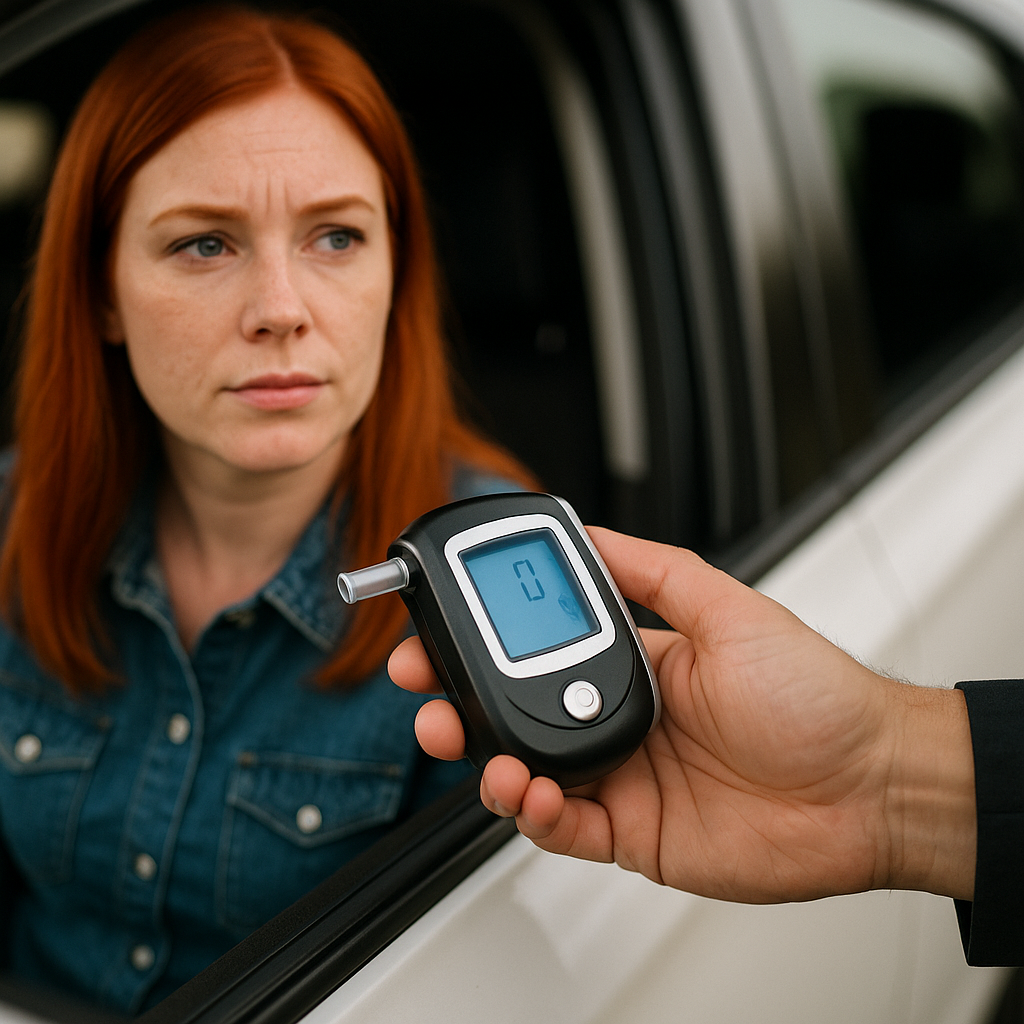
California DMV imposes two separate suspensions after a DUI arrest: an administrative suspension triggered by failing or refusing the breathalyzer (effective 30 days after arrest), and a court-ordered suspension following conviction (effective when the judge orders it). These suspensions run concurrently if you're convicted, but the administrative suspension hits first and faster.
For a first-offense DUI in Oakland, the standard suspension is 6 months, though you become eligible for a restricted license after 30 days if you enroll in a DUI program and file SR-22. A restricted license allows you to drive to and from work, school, and your DUI program — not for personal errands. Second and third offenses carry 1–3 year suspensions with longer waiting periods before restricted eligibility.
To reinstate your full license after the suspension period ends, you must: (1) complete your court-ordered DUI program (3–9 months depending on BAC level), (2) pay the $125 DMV reissue fee, (3) maintain SR-22 filing for the entire 3-year period, and (4) install an ignition interlock device (IID) for 6–12 months if required by the court. The IID requirement is mandatory for all DUI convictions with BAC above 0.15% or for repeat offenses.
Many Oakland drivers don't realize the SR-22 requirement continues for 3 years after license reinstatement, not 3 years from conviction. If you serve a 6-month suspension, you still need 3 additional years of SR-22 after getting your license back. Dropping coverage early restarts the entire 3-year clock.
How to Get the Lowest SR-22 Rate in Oakland
The single most effective way to lower your post-DUI rate is to compare quotes from non-standard carriers that actually want your business. Standard carriers like State Farm view DUI offenders as unwanted risk and price accordingly. Non-standard carriers like GAINSCO and Acceptance build their entire business model around high-risk drivers and price competitively because they're not comparing you to clean-record drivers.
Oakland drivers who maintain minimum liability limits (15/30/5) consistently see the lowest premiums, typically $180–$240/month with non-standard carriers. Increasing to 50/100/50 limits adds $40–$80/month but provides significantly better protection if you cause another accident. Given that a second at-fault accident while on SR-22 often results in policy cancellation and difficulty finding any coverage, higher limits can be worth the cost.
Paying in full (6 or 12 months upfront) typically saves 5–10% compared to monthly payments, but most post-DUI drivers can't afford the lump sum. If you can manage it, a 6-month prepayment to a non-standard carrier often costs less total than 3 months of monthly payments to a standard carrier. Some carriers also offer small discounts for bundling SR-22 with renters insurance or setting up automatic payments.
Avoid filing SR-22 with a carrier that doesn't specialize in high-risk policies. You'll pay more, and you'll likely be non-renewed at the first policy anniversary anyway. Start with a non-standard carrier that expects to keep you for the full 3 years.
Non-Owner SR-22 Policy Cost and When You Need It
If you sold your car after your DUI arrest, lost access to a vehicle during your suspension, or simply don't own a car right now, you still need continuous insurance to satisfy California's SR-22 requirement. A non-owner SR-22 policy covers you when driving a borrowed or rented vehicle and proves financial responsibility to the DMV.
Non-owner policies in Oakland typically cost $60–$120/month with SR-22 filing included — roughly half the cost of insuring a vehicle you own. The policy provides liability coverage only (no collision or comprehensive), which is all California requires. GAINSCO, Acceptance, and The General all write non-owner SR-22 policies in Alameda County, with GAINSCO usually offering the lowest rate.
If you purchase a vehicle later while your SR-22 requirement is still active, you must immediately convert your non-owner policy to a standard owner policy. You cannot drive your own car on a non-owner policy — it only covers you in vehicles you don't own. Your insurer can make this conversion within 24 hours, and your SR-22 filing remains continuous through the transition.
What Happens If Your SR-22 Policy Lapses
California law requires your insurance carrier to notify the DMV within 15 days if your policy cancels or lapses for any reason — missed payment, voluntary cancellation, or carrier non-renewal. The DMV then suspends your license immediately, and you must file a new SR-22 and pay a reinstatement fee to get it back.
Worse, the 3-year SR-22 clock resets to zero when you lapse. If you maintained SR-22 for 2 years and 10 months, then missed a payment and lapsed for even one day, you now owe 3 full years from the date you file a new SR-22. This is the most expensive mistake post-DUI drivers make in California.
If you know you'll miss a payment, contact your insurer immediately. Many non-standard carriers offer 5–10 day grace periods before they report the lapse to the DMV, giving you time to catch up. Some will accept partial payments to keep the policy active. Once the DMV receives the lapse notification, there's no grace period — your license is suspended that day. compare high-risk quotes