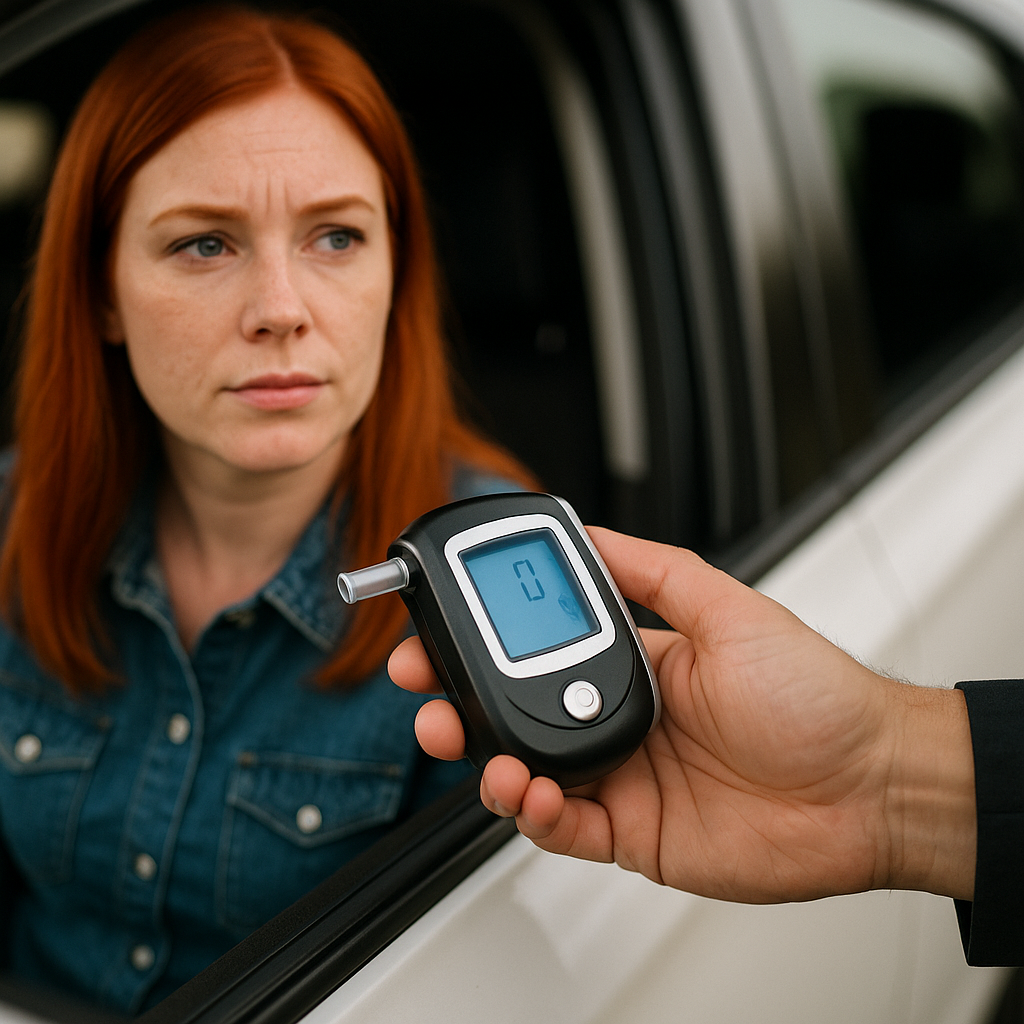
Fort Worth DUI convictions require 3 years of SR-22 filing in Texas, with rates averaging $140–$280/mo depending on carrier availability and your blood alcohol level at arrest. Not all insurers write SR-22 policies for DUI drivers — here's who does and what you'll pay.
What SR-22 Filing Costs in Fort Worth After a DUI
The SR-22 certificate filing fee in Texas is typically $15–$50 depending on your insurer, paid once at the start of your 3-year filing period and again if you switch carriers. This is separate from your insurance premium. Your actual insurance cost after a DUI in Fort Worth averages $140–$280 per month for minimum liability coverage with SR-22, compared to $75–$110/mo for a clean record. The 85–155% rate increase reflects both the DUI violation surcharge and the shift from standard to non-standard carrier underwriting.
Your premium depends heavily on your blood alcohol concentration (BAC) at arrest. A BAC of 0.08–0.14% typically results in lower surcharges than a BAC of 0.15% or higher, which Texas classifies as an enhanced offense. Drivers with BAC over 0.15% or who refused chemical testing face the steepest increases and the fewest carrier options. If your DUI included an accident, injury, or property damage, expect rates in the $250–$350/mo range even with minimum coverage limits.
The Texas Department of Public Safety requires SR-22 filing for the full 3 years following your license reinstatement. Your insurer submits the SR-22 electronically to DPS, and any lapse in coverage — even one day — triggers an automatic suspension and restarts your 3-year clock. Fort Worth municipal court or Tarrant County court orders may specify additional conditions, but the 3-year SR-22 period is standard statewide for DUI-related suspensions. Texas SR-22 filing requirements
Which Carriers Write SR-22 Policies for Fort Worth DUI Drivers
Standard carriers like State Farm, Allstate, and GEICO either decline DUI drivers outright or non-renew existing policies after conviction. You'll need a non-standard or high-risk carrier that underwrites Texas SR-22 filings. In the Fort Worth area, carriers that regularly accept DUI cases include National Liability & Fire, Acceptance Insurance, Dairyland, Progressive (through their non-standard division), and Fred Loya. Availability varies by your specific record — some decline drivers with BAC over 0.15%, prior DUI history, or suspended licenses at the time of application.
Carrier pricing differs significantly based on underwriting tiers. National Liability & Fire and Acceptance typically quote $130–$220/mo for a first-time DUI with BAC under 0.15% and no other violations in the past 3 years. Dairyland and Progressive's non-standard products often run $160–$280/mo but may accept drivers other carriers decline, including those with two DUIs or a DUI plus reckless driving. Fred Loya generally quotes lower — $110–$180/mo — but offers narrower coverage options and may require higher down payments.
Most Fort Worth DUI drivers stop searching after one or two declinations, assuming no one will write them. This is a mistake. Underwriting criteria vary by carrier and even by underwriter within the same company. One carrier may decline a 0.16% BAC case while another writes it at standard non-standard rates. The fastest path to the cheapest rate is submitting applications to 3–5 non-standard carriers simultaneously, not sequentially. non-standard auto insurance
How Fort Worth Courts and DPS Coordinate SR-22 Requirements
Your SR-22 requirement originates from two sources: the Texas Department of Public Safety administrative license suspension (ALR hearing) and your criminal court conviction. If you lost your ALR hearing or didn't request one within 15 days of arrest, DPS suspends your license for 90 days (first offense) or 1 year (prior suspension within 10 years). The criminal court conviction adds a separate suspension: 90 days to 2 years depending on prior offenses and whether your case was a Class B or Class A misdemeanor.
DPS will not reinstate your license until you provide proof of SR-22 filing and pay a $125 reinstatement fee ($100 administrative fee plus $25 application fee). If your suspension came from both ALR and court conviction, you serve them concurrently, not consecutively, but the SR-22 filing period doesn't begin until your suspension ends and you reinstate. Many Fort Worth drivers file SR-22 during their suspension thinking it shortens the timeline — it doesn't. You need continuous SR-22 coverage starting from your reinstatement date, not your conviction date.
Fort Worth municipal court and Tarrant County criminal courts may also order occupational (hardship) license eligibility during your suspension. An occupational license allows you to drive for work, school, and essential household duties during your suspension period. You'll need SR-22 filing and non-standard insurance before the court will approve your occupational license petition. Occupational license filing fees in Tarrant County run $275–$450 including court costs, and you must provide an SR-22 certificate as part of your petition packet.
Reducing Your SR-22 Cost Over the 3-Year Filing Period
Your DUI surcharge decreases each year after conviction if you maintain continuous coverage and avoid new violations. Most non-standard carriers reduce DUI-related surcharges by 15–25% at your first annual renewal, another 10–20% at your second renewal, and another 5–15% at your third renewal. A driver paying $210/mo in year one might see rates drop to $170/mo by year three with no new incidents. This is not automatic — it depends on carrier policy and your claims history during the filing period.
Switching carriers mid-filing period can cut costs but requires careful timing. Your new carrier must file a new SR-22 with DPS, and your old carrier must withdraw theirs. If there's any gap between the old SR-22 withdrawal and the new SR-22 filing — even a few hours — DPS processes it as a lapse and suspends your license again. Always secure your new policy with SR-22 filed before canceling the old one. Some Fort Worth drivers save $30–$70/mo by switching from their initial high-risk carrier to a slightly less expensive option after 12–18 months of clean driving.
Increasing your coverage limits won't reduce your premium, but it may reduce your out-of-pocket costs after an at-fault accident. Texas minimum liability limits are 30/60/25 (bodily injury per person/per accident/property damage in thousands). Most non-standard carriers offer 50/100/50 or 100/300/100 for an additional $20–$50/mo. If you cause an accident that exceeds your liability limits during your SR-22 period, you're personally liable for the overage, and a lawsuit or judgment can extend your financial recovery timeline well beyond your 3-year SR-22requirement. For drivers who commute daily in Fort Worth traffic, higher limits are worth evaluating.
Non-Owner SR-22 Policies If You Don't Have a Vehicle
If your vehicle was impounded, sold, or totaled after your DUI and you don't currently own a car, you still need SR-22 filing to reinstate your Texas license. A non-owner SR-22 policy provides liability coverage when you drive a borrowed or rental vehicle and satisfies DPS filing requirements. Non-owner policies cost significantly less than standard owner policies — typically $50–$110/mo in Fort Worth with SR-22 for a DUI driver, compared to $140–$280/mo for an owned vehicle policy.
Non-owner policies do not cover a vehicle you own, regularly use, or have listed in your household. If you live with a family member who owns a car and you drive it regularly, you must be added to their policy as a listed driver with SR-22, or purchase your own owner policy. DPS does not distinguish between owner and non-owner SR-22 filings — both satisfy reinstatement requirements equally — but insurers underwrite them differently. Non-owner policies are easier to obtain after a DUI because the insurer's exposure is lower (they only cover your liability, not vehicle damage).
Most non-standard carriers that write owner SR-22 policies also offer non-owner options, including National Liability & Fire, Acceptance, Dairyland, and Progressive. Non-owner policies renew on the same terms as owner policies, and your SR-22 filing obligation remains continuous for 3 years. If you purchase a vehicle during your filing period, notify your insurer immediately — your non-owner policy will not cover it, and you'll need to convert to an owner policy with SR-22 to avoid a coverage gap and license suspension. compare high-risk quotes